The Preservation Season Calendar — Free Download
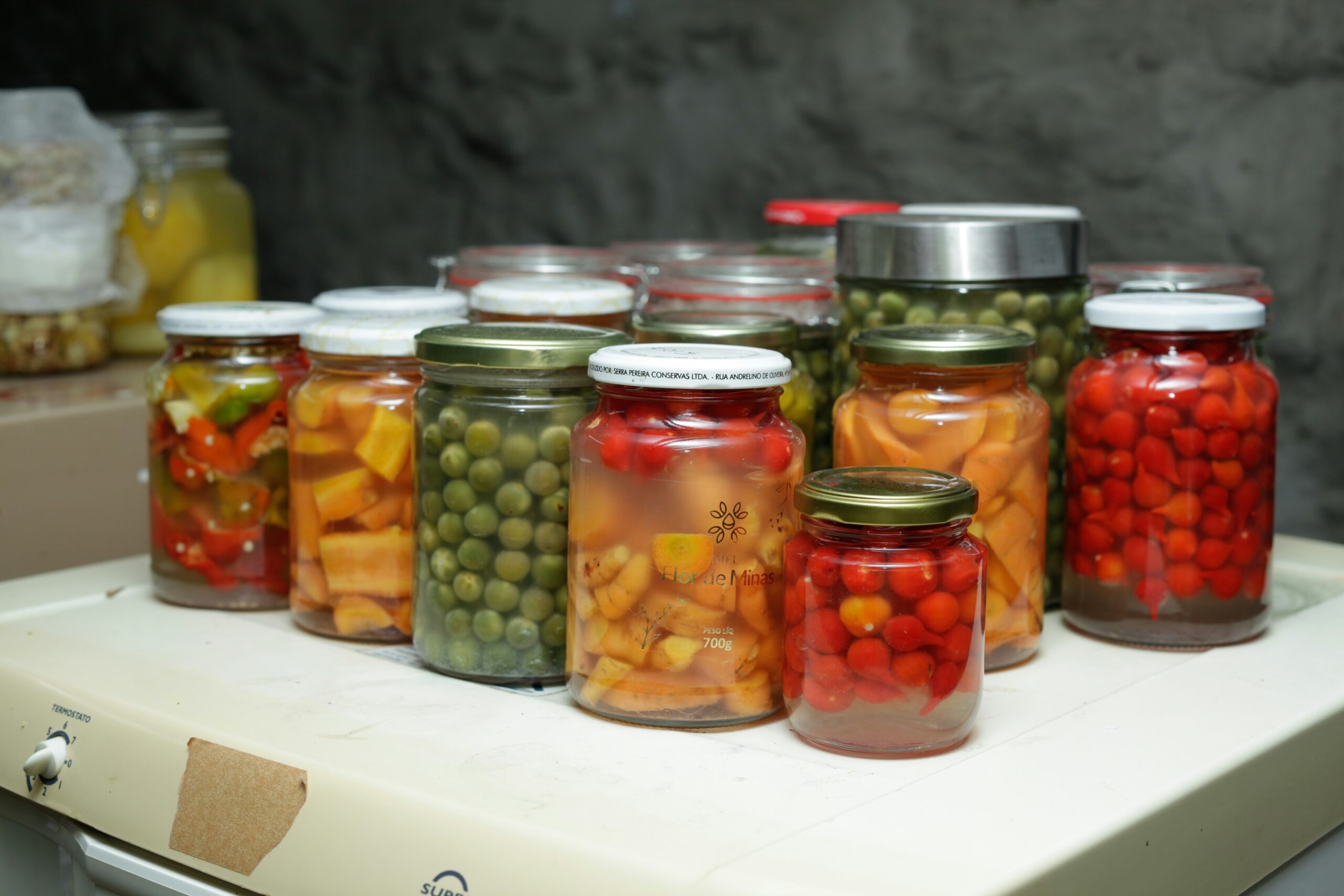
Know What to Put Up — and When
A month-by-month preservation calendar built around what’s actually in season where you live. Stop buying canned tomatoes in winter.
Know What to Put Up — and When
A month-by-month preservation calendar built around what's actually in season. Stop guessing, start stocking. Free PDF.
Why most first-year preservers burn out by August
You read a canning post in March, get fired up, and by the time the garden actually hits, you’re drowning. Twenty pounds of tomatoes on the counter, no jars in the pantry, no lids at the store, and the cucumbers are coming in tomorrow. You put up four quarts of something you won’t eat and miss the rest. That’s how most people give up on preservation after one season — not because it’s hard, but because the timing ambushes them.
What changed — and what’s in this calendar
This calendar flips the script. Instead of reacting when the harvest hits, you walk into each month knowing what’s coming in, what technique it needs, what supplies to have ready, and what can wait. It’s not a fantasy schedule pulled from a Vermont blog. It splits by growing zone so the month-by-month rhythm matches your climate, not somebody else’s. Every technique on it is one a first-year preserver can run without buying a pressure canner on day one — water-bath, freezing, dehydrating, fermenting, root cellar. You pick your method per crop based on what’s actually in your kitchen.
What you’ll walk away with
- A 12-month calendar split by growing zone — what goes in jars in June versus October, not a generic national average
- Which crops water-bath safely, which need a pressure canner, and which are better frozen or fermented — decided before you stand over a boiling pot
- The supply-buy order so you’re not hunting for lids the week every other homesteader in the country is
- A weekend-batch workflow that fits around a day job — how to put up 40 lbs of produce in under 3 hours on a Saturday
- The shelf-life chart so you actually eat what you put up before it turns
- A short list of the three tools that matter and the six that don’t — spend the money where it earns it
- The post-harvest inventory sheet you fill in as jars hit the shelf, so you know what you’ve got when the snow starts
Ready to start?
Enter your email above. The calendar hits your inbox in under a minute.
Get the Free Calendar