Off-Grid Homestead Essentials: What You Actually Need to Make It Work
The phrase “off-grid homestead” gets used a lot, but the reality of what it takes to live comfortably and sustainably without grid power and municipal water is more specific — and more manageable — than most people assume. The key is understanding which systems are genuinely essential and which are nice-to-have additions you can build toward over time.
Here’s a practical breakdown of what you actually need to make an off-grid homestead function well — organized by priority so you can build the right things first.
Water: The Most Critical Off-Grid System
Water isn’t optional. Before you think about solar panels or garden beds, you need a reliable, clean water source. Every other system on your homestead depends on having water secured first.
Water Source Options
- Well: The most common and reliable option. A drilled well with a submersible pump provides consistent household and garden water. A hand pump backup ensures access during power outages.
- Spring: Ideal when it flows year-round. Spring boxes are low-maintenance and can gravity-feed the house without a pump.
- Rainwater catchment: Works well in regions with reliable rainfall. Food-grade storage tanks (500–5,000 gallons) capture roof runoff. Filtration is required before drinking.
- Creek or pond: Useful for livestock and irrigation. Always requires treatment and filtration for household use.
Water Storage and Filtration
Regardless of source, every off-grid homestead needs both storage capacity and filtration. Storage gives you a buffer against pump failures, dry spells, or contamination events. Filtration ensures what you drink is safe. A whole-house sediment filter combined with a countertop Berkey or similar gravity filter handles most household drinking water needs without electricity.
Power Generation and Energy Storage
Electricity is the second core system to establish on an off-grid homestead. Modern off-grid living doesn’t require sacrificing comfort — it requires right-sizing your system to match your actual needs.
Solar Panel System
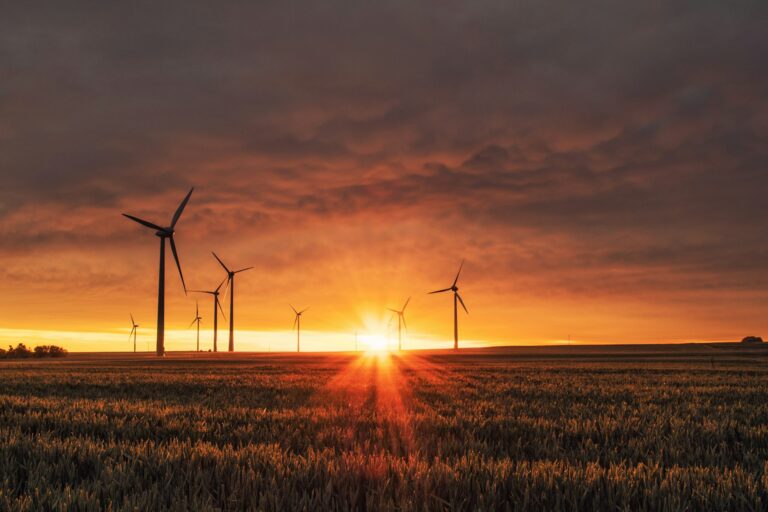
A solar PV system is the most practical starting point for most homesteads. Panels charge a battery bank during daylight hours; an inverter converts stored DC power to usable AC electricity. A system sized for a modest off-grid homestead (lighting, refrigeration, small appliances, well pump) typically requires 2,000–5,000 watts of panels and a 10–20 kWh battery bank.
For detailed cost breakdowns by system size, the guide to off-grid solar system costs covers what different configurations actually cost and what you can expect to power with each.
Backup Generator
A propane or gas generator isn’t the primary power source — it’s the backup that keeps the battery bank charged during extended cloudy periods. Sized correctly, it runs a few hours every few days during low-sun periods rather than continuously. An inverter generator (Honda EU2200i or equivalent) is quiet enough not to disrupt daily life and efficient enough to run economically on stored fuel.
Battery Bank
LiFePO4 (lithium iron phosphate) batteries are currently the best option for most homestead installations. They’ve a longer cycle life than lead-acid alternatives (3,000–5,000+ cycles vs. 500–1,500), tolerate deeper discharge, require no maintenance, and take up less space. The upfront cost is higher but the lifetime cost per kilowatt-hour is lower.
Heating and Cooling
Heating is where most off-grid homesteads either do very well or run into significant problems. Electric resistance heating isn’t practical off-grid — the power demand is simply too high for most solar systems to sustain through a winter. The solutions that work well are those that use no electricity or very little.
Wood Heating
A wood stove is the single most reliable heating solution for an off-grid homestead in a cold climate. Properly sized for the space, a good woodstove with dry firewood can heat a well-insulated home to comfortable temperatures without any electricity. Add a wood cookstove and you’ve also eliminated electric cooking.
- Wood stove: The workhorse. Choose a model rated for your square footage with a secondary combustion system for efficiency.
- Masonry heater or rocket mass heater: Extremely efficient — burns small amounts of wood intensely and stores heat in thermal mass that radiates for hours
- Outdoor boiler: Heats water that circulates through radiators; can heat multiple buildings from a single fuel source
Passive Solar Design
If you’re building or significantly renovating, passive solar design — south-facing windows, thermal mass floors, and good insulation — can dramatically reduce heating demand before you ever light a fire. A well-designed passive solar home in a moderate climate may need very little supplemental heating.
Cooling
Standard central air conditioning isn’t compatible with most off-grid solar systems. Alternatives include:
- Good insulation and thermal mass that moderates interior temperatures naturally
- Strategic shading with awnings, trees, and covered porches
- Whole-house fans that pull cool night air through the house
- Efficient mini-split heat pumps — these use far less electricity than central AC and can be powered by a well-designed solar system
- A sleeping porch for warm nights — a screened outdoor sleeping area that collects cool night breezes
Food Production Systems
The whole point of a homestead is producing food. The essential food production systems need to be established early and expanded over time — they’re the productive core of the property.
The Garden
A properly planned kitchen garden — even a modest quarter-acre — can supply most of a family’s vegetable needs through the growing season plus preserved food for winter. Raised beds or permanent garden beds with improved soil and good water access are more productive than larger areas of less-managed ground.
- Prioritize perennials (fruit trees, berry bushes, asparagus, herbs) — they produce without replanting each year
- Build soil from the start with compost, cover crops, and minimal tillage
- Set up drip irrigation or soaker hoses to conserve water and reduce labor
- Build a greenhouse or cold frames for season extension and seedling starting
Food Preservation Infrastructure
Producing food is only half the equation. Preserving it for winter and lean periods is equally important. Essential food preservation infrastructure includes:
- Root cellar or cool storage room: Keeps potatoes, winter squash, carrots, apples, onions, and garlic through winter without electricity
- Chest freezer: More energy-efficient than upright models; essential for meat and produce storage
- Canning equipment: Pressure canner and water bath canner for shelf-stable vegetables, fruit, meat, and meals
- Dehydrator: Solar dehydrators cost nothing to run; electric dehydrators use modest power
Livestock
Livestock selection should match your property’s size and your skill level. Start with the animals that require the least infrastructure and scale up:
- Chickens: The universal starting point. Eggs, meat, pest control, and fertilizer from modest housing and small space.
- Rabbits: High meat production in minimal space with no pasture required.
- Goats: Milk, meat, and weed control. Require fencing and shelter; manageable on 2+ acres.
- Pigs: Excellent feed conversion and complete use of kitchen scraps and garden waste. Require strong fencing.
- Cattle: Meat and dairy, but require significant pasture and infrastructure. Appropriate for 5+ acres.
Waste Management
Waste management isn’t glamorous, but a failed septic system or inadequate sewage handling can make a homestead uninhabitable. Handle this right from the start.
- Septic system: Properly installed and sized for household occupancy; inspected and pumped on schedule
- Composting toilet: A viable alternative to septic in some locations; produces usable compost rather than waste
- Compost system: Hot compost piles process kitchen scraps, garden waste, and animal manure into rich soil amendment
- Greywater system: Recycling sink and shower water for garden irrigation (check local regulations — rules vary widely by state)
Essential Tools and Equipment
A homestead requires tools. The right tools reduce labor enormously; inadequate tools make everything harder and more dangerous. Build your toolkit in order of frequency of use.
Hand Tools Every Homesteader Needs
- Digging shovel and spade
- Broadfork or garden fork for soil work
- Wheelbarrow — you’ll use this every single day
- Hatchet and splitting maul for firewood
- Hammer, screwdrivers, pliers, adjustable wrench, tape measure
- Chainsaw — essential on any wooded property for firewood and land clearing
- Come-along and heavy-duty tow straps
- Post hole digger or auger for fencing
Power Tools for Homestead Building and Repair
- Cordless drill and impact driver (same battery platform)
- Circular saw for lumber cuts
- Reciprocating saw for demolition and land clearing
- Angle grinder for metal work and fastener removal
The Case for a Tractor
On any property over two acres, a compact utility tractor with a loader bucket dramatically reduces the labor required to move materials, clear land, dig, and grade. A used tractor in good mechanical condition is usually a better value than a new one. If budget is tight, a zero-turn mower handles lawn and brush; a tractor can wait until the property demands it.
Communication and Safety
Living remotely creates real risks that urban living doesn’t. Communication and safety systems aren’t optional.
- Reliable internet and cell coverage: Starlink satellite internet has transformed remote connectivity. Check coverage before buying land if this matters.
- NOAA weather radio: Receives emergency alerts without internet or cell service
- Two-way radios or walkie-talkies: Communication across a larger property, especially when working alone
- Fully stocked first aid kit: Farm injuries happen. A complete kit includes items for cuts, burns, sprains, and more serious injuries.
- Fire extinguishers: Multiple locations on the property — near the woodstove, in the shop, and in any buildings with fuel storage
What to Build First: A Practical Priority Order
If you’re setting up an off-grid homestead from scratch, the order in which you tackle systems matters. Here’s a practical priority sequence:
- 1. Water: Nothing else works without it. Establish your water source and basic filtration before anything else.
- 2. Shelter: Weathertight, insulated, and heated. Get the living space right before adding systems.
- 3. Power: A basic solar system with battery storage and backup generator covers immediate electrical needs.
- 4. Food production basics: Chickens and a garden can begin producing in the first season.
- 5. Food preservation: Root cellar, canning setup, and chest freezer to handle what the garden and livestock produce.
- 6. Tools and infrastructure: Build out your toolkit and outbuildings as budget and time allow.
The most successful homesteaders are those who establish the fundamentals well before expanding into more complex or expensive systems. Master water, shelter, and basic food production first. Everything else is an enhancement.
Start Your Homestead — Even From an Apartment
Container gardening, water storage, understanding land, raising your first animals. Practical steps you can take this month, wherever you live.