Off-Grid Cooking Fuel: The Best Portable Options for Your Homestead
Cooking is one of the most energy-intensive daily activities on any homestead, and getting your fuel situation wrong creates problems that compound every single day. Whether you’re planning a fully off-grid setup or building redundancy into your cooking system, the fuel you choose shapes your daily routine, storage requirements, and long-term costs.

Here’s a practical breakdown of every major off-grid cooking fuel option, including what works well, what doesn’t, and how experienced homesteaders typically combine multiple methods for reliability and efficiency.
Why Your Cooking Fuel Choice Matters So Much Off-Grid
On a grid-connected home, cooking fuel is almost an afterthought — you turn the burner on, it works, and the bill arrives at the end of the month. Off-grid, every BTU has to come from somewhere. You need to source it, store it, maintain the equipment, and have a backup when the primary option isn’t available.
Most seasoned off-grid homesteaders run two or three different cooking methods — not because any single option is unreliable, but because diversification means they’re never truly stuck. A wood cookstove works in a power outage. A propane camp stove works when the woodstove needs cleaning. A solar oven works on clear summer days without consuming stored fuel at all.
Understanding the real-world trade-offs of each option lets you build a system that fits your property, budget, and lifestyle — rather than copying someone else’s setup that may not match your situation.
Propane: The Most Common Off-Grid Cooking Fuel
Propane is the dominant off-grid cooking fuel for a reason. It works exactly like natural gas on the stovetop, delivers instant heat control, and is available in both large fixed tanks and small portable cylinders. Most homesteaders running propane for cooking supplement it with a wood stove for heat, which keeps propane consumption focused on cooking and water heating rather than warmth.
Advantages of Propane for Off-Grid Cooking
- Familiar and reliable: Works the same way as a conventional gas stove — no learning curve
- Instant heat control: Turn it up, turn it down — precision that wood cooking can’t easily match
- Long shelf life: Stored propane doesn’t degrade. A tank filled years ago works the same as one filled last week.
- Wide range of appliances: Propane ranges, ovens, griddles, water heaters, and refrigerators all exist
- Portable cylinder option: Standard 1-pound canisters and 20-pound tanks are available almost everywhere
- 90% of US propane is domestically produced: Price is less affected by international supply disruptions than many fuels
Disadvantages of Propane
- Ongoing purchase and delivery required: You’re dependent on the supply chain for refills
- Storage limitations: Large tanks require proper installation; small cylinders run out quickly during heavy use
- Can’t be used indoors in enclosed spaces: Combustion creates carbon monoxide — ventilation is essential
- Price volatility: Propane prices fluctuate seasonally and with natural gas markets
- Tank investment: A 500-gallon propane tank costs $500–$2,000 to purchase or lease
Practical Propane Setup for Homesteaders
A 500-gallon propane tank used primarily for cooking and water heating typically lasts six to twelve months for a family of four, depending on usage. Many homesteaders schedule annual or semi-annual fills and maintain a small reserve of portable cylinders for backup.
Wood-Burning Cookstoves: The Classic Off-Grid Solution
A wood cookstove was the original off-grid cooking appliance, and it remains one of the best on a property with good timber access. A quality wood cookstove cooks food, heats the house, bakes bread, and heats water — all from a single fire. For homesteaders with their own firewood, the fuel cost is essentially zero.
Advantages of Wood Cooking
- Free fuel if you’ve timber: Harvest and split your own firewood and the cooking cost is time and effort, not dollars
- Multi-function: Heat, cooking, baking, and water heating from one unit
- No supply chain dependence: Works completely independently of any fuel delivery system
- Proven technology: Wood cookstoves have been reliable for centuries and are simple to maintain
- Great for long, slow cooking: Stews, beans, soups, and braises are especially well-suited to wood stove cooking
Disadvantages of Wood Cooking
- Learning curve: Managing fire temperature for precise cooking takes practice
- Heat output in summer: In warm weather, a cookstove heats the house significantly — uncomfortable in hot climates
- Preparation time: Building a fire takes time before cooking can begin; you can’t simply turn a burner on
- Ash and maintenance: Regular ash removal and chimney cleaning are required
- Not suitable for all climates: In very hot regions, wood cooking may only be practical for outdoor setups or certain seasons
The Outdoor Kitchen Solution for Summer
Many homesteaders set up a simple outdoor kitchen area — a covered space with a rocket stove, outdoor wood-burning cookstove, or fire pit with a grill grate — specifically to keep summer cooking heat outside the house. This gives you the benefits of wood cooking without making the interior unbearable in July and August.
Rocket Stoves and Biomass Cookers
A rocket stove is a highly efficient wood-burning stove designed to combust wood completely with very little smoke. It uses small-diameter wood — sticks, twigs, and branches rather than split logs — and burns extremely hot with very little fuel. A family can cook a full meal using only a small bundle of sticks.
Why Rocket Stoves Make Sense for Homesteaders
- Fuel efficiency: Burns small-diameter wood that’s readily available on any wooded property
- High heat, low smoke: Efficient combustion means less creosote and fewer air quality issues
- Simple and durable: Basic designs can be built from cinder blocks and a few pieces of metal for under $50
- Portable options: Commercial biomass stoves like the Solo Stove work outdoors and require no stored fuel
The main limitation of a rocket stove is that it can’t replace a full range for all cooking tasks. It excels at boiling water, cooking pots of food, and quick high-heat cooking — but baking and low-and-slow cooking require a full-sized cookstove.
Solar Ovens: Free Energy for Baking and Slow Cooking
A solar oven concentrates sunlight to cook food without any fuel at all. Quality solar ovens reach temperatures of 250–350°F — enough for baking bread, cooking casseroles, pasteurizing water, and dehydrating food. They work best in regions with reliable sunshine and are most useful in summer when that sunshine is abundant and you want to keep heat out of the house.
What Solar Ovens Do Well
- Baking bread, muffins, and casseroles on clear days
- Slow cooking beans, stews, and grains (works even at lower temperatures)
- Pasteurizing water (critical for off-grid water safety)
- Dehydrating herbs, fruit, and vegetables
- Zero fuel cost after initial purchase ($50–$300 for a quality box solar oven)
Solar ovens can’t replace your primary cooking system — they don’t work at night, in heavy cloud cover, or in winter in northern climates. But as a supplement that handles baking and slow cooking on clear days without touching your fuel supply, they offer real value.
Portable Propane Camp Stoves: Your Backup System
Even if you’ve a full propane range and a wood cookstove, a good portable two-burner camp stove belongs on every homestead. These use standard 1-pound propane canisters or connect via hose to a larger tank. They provide instant heat anywhere on the property — outdoors, in an outbuilding, or as emergency backup when your primary system is being serviced or repaired.
- Propane canisters are widely available at grocery stores, hardware stores, and sporting goods retailers
- Reliable in temperatures down to around 30°F before propane pressure drops
- Can’t be used in enclosed spaces without ventilation — always cook outdoors or with windows open
- Store several extra canisters: they’re shelf-stable and take up very little space
Other Fuel Options Worth Knowing About
Butane
Butane single-burner stoves are compact and inexpensive. The main limitation is cold weather — butane stops vaporizing well below 40°F, making it unreliable in cold climates. Good for mild-weather backup but not a primary system in most of the US.
Sterno and Canned Heat
Sterno canned fuel is the only commonly available cooking fuel safe for limited indoor use without ventilation. It burns relatively cool and is primarily useful for keeping food warm rather than cooking from scratch. Good to have in an emergency kit but not a practical homestead cooking solution.
Biogas
A home biogas digester converts organic waste — food scraps, animal manure, and plant material — into methane gas for cooking. This is a compelling concept on a homestead with significant animal waste, but it requires infrastructure investment, ongoing management, and works best in warm climates. It’s a legitimate long-term option for established homesteads, not a starting point.
Wood Pellets
Pellet stoves and grills can be used for cooking but require electricity for the auger mechanism — not ideal for a fully off-grid setup. Pellets must also be purchased and stored, which reduces the supply independence advantage of wood.
Building a Practical Off-Grid Cooking System
Rather than picking one fuel source and committing to it entirely, most experienced homesteaders build a layered system. Here’s a practical framework:
- Primary system: Wood cookstove (if you’ve timber access) or propane range — covers the vast majority of daily cooking
- Summer supplement: Outdoor rocket stove or propane burner to keep heat outside the house in warm months
- Solar supplement: Solar oven handles baking and slow cooking on clear days without burning any fuel
- Emergency backup: Portable propane camp stove with a stock of canisters — works when everything else is unavailable
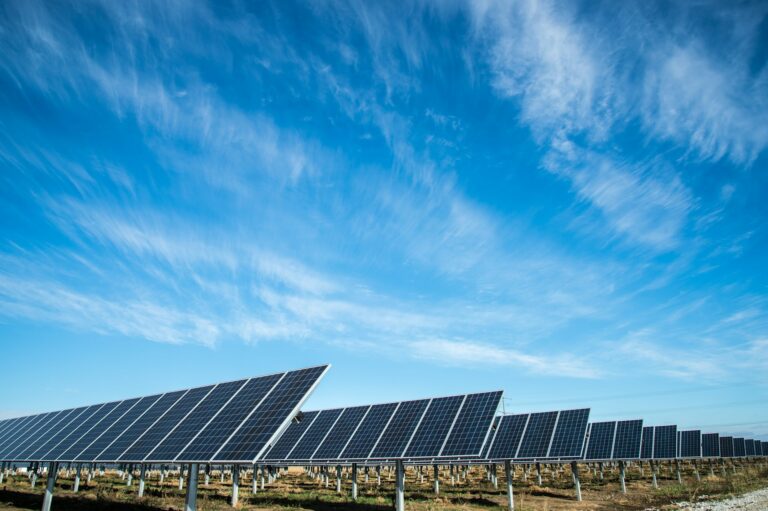
For homesteaders also working through their off-grid energy setup, the cooking fuel decision connects directly to your overall power planning. If you’re relying on solar for electricity, see our guide to off-grid solar system costs to understand how your cooking choices affect your energy budget.
Key Takeaways: Choosing Your Off-Grid Cooking Fuel
- Propane is the most practical primary off-grid cooking fuel for most homesteads — reliable, familiar, and readily available
- A wood cookstove is ideal if you’ve timber access and want to eliminate fuel purchase costs; it also heats the home and water
- Never rely on a single cooking method — redundancy is essential on a working homestead
- A solar oven is an excellent free supplement for baking and slow cooking on clear days
- A portable camp stove with spare canisters should be part of every homestead’s backup system
- Match your fuel choice to your property’s resources — a homesteader with five wooded acres should cook differently than one on a dry, open lot
Your cooking fuel setup is a daily-use system that affects your energy budget, your storage requirements, and your routine for as long as you’re on the homestead. Getting it right from the start — or upgrading deliberately as you learn what works — is one of the best investments you can make in your off-grid lifestyle.
Get 72 Hours Ahead of the Next Outage
The exact food, water, power, and comms setup that keeps your family running when the grid doesn't. Free PDF — built for people who act before they have to.