
How to Buy Land for Homesteading: What to Know Before You Offer
Buying land for homesteading is one of the most significant decisions you’ll make in your move toward self-sufficient living — and it’s nothing like buying a house in the suburbs. A homestead property has to do far more than just shelter you. It needs to produce food, hold water, support livestock, and function as a working system for decades.
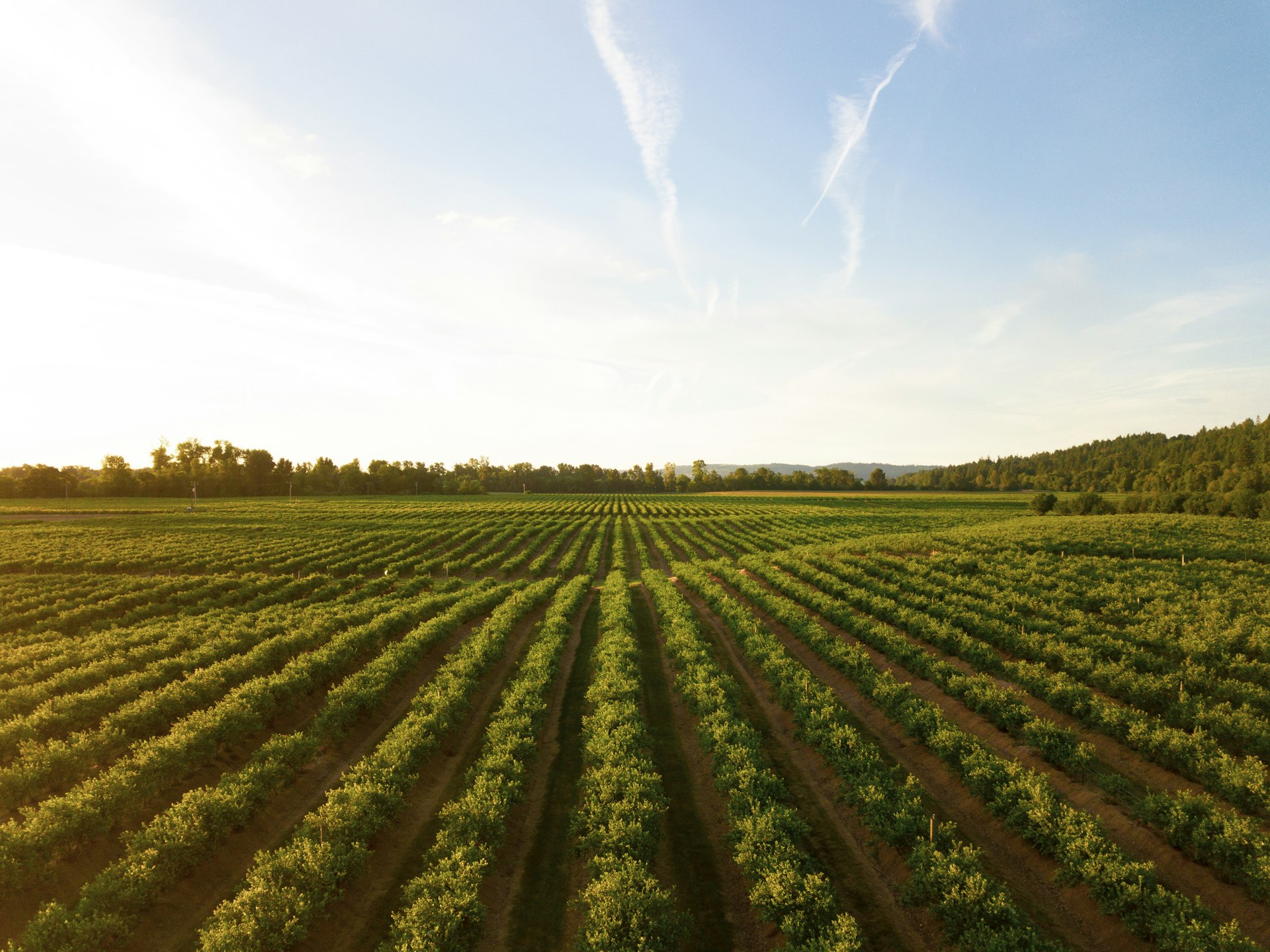
Most first-time land buyers focus on acreage and price. Those matter — but the buyers who end up with properties that actually work as homesteads know to dig deeper before making an offer. Here’s a practical guide to what you need to investigate before you commit.
Know What You Want the Land to Do Before You Search
Before you open Zillow or call a real estate agent, get specific about your homesteading goals. The features that matter for a dairy operation are completely different from those that matter for a market garden. Clarity on your goals filters out most unsuitable properties before you ever visit them.
Questions to Answer Before You Shop
- Will you raise large livestock (cattle, horses) or stick to small animals (chickens, rabbits, goats)?
- Is growing most of your own food a primary goal, or is homesteading more about lifestyle and some food production?
- Do you need a primary residence on the property, or will you build?
- Will you need income from the land (market garden, livestock sales, agritourism)?
- How remote are you willing to be — and what are your trade-offs on commute, services, and neighbors?
- What’s your realistic budget for both the land and setup costs?
Water: The Single Most Important Factor
Water determines what a piece of land can do. No water source, no viable homestead. This one factor should be investigated before anything else — before you fall in love with the view, the barn, or the price.
Types of Water Access to Evaluate
- Well: The most common rural water source. Check depth, flow rate (gallons per minute), and water quality. Get the well driller’s report from county records if there’s an existing well. A flow rate below 3 GPM is limiting for a family homestead.
- Spring: Ideal when it flows reliably year-round. Ask about dry-season output, not just spring flow. Verify whether water rights come with the property.
- Pond or creek: Useful for livestock and irrigation but typically not safe for household water without treatment. Check legal rights to use surface water — rules vary significantly by state.
- Municipal or rural water co-op: More reliable and less maintenance than a private well, but means ongoing costs and dependence on an outside system.
- No water source: Some parcels have no water at all. Drilling a well is expensive ($5,000–$25,000+ depending on depth and location) and not guaranteed to produce sufficient water.
Always have well water tested for quality before closing. Testing for nitrates, bacteria, pH, hardness, and heavy metals is standard practice. Poor water quality can be corrected, but it adds significant ongoing cost. More on land water options in our guide to what to do when your homestead land has no water source.
Zoning and Land Use Restrictions
Zoning determines what you’re legally allowed to do on a piece of land. You can buy the most beautiful property imaginable and discover afterward that chickens, goats, or even composting are prohibited by local ordinance. Always check zoning before making an offer.
What to Investigate on Zoning
- What animals are permitted and in what numbers?
- Are structures like barns, storage sheds, or greenhouses allowed — and what permits are required?
- Is there a minimum square footage requirement for any dwelling?
- Are short-term rentals (agritourism) allowed?
- What are the setback requirements from property lines for structures?
- Are there restrictions on farming activities, spray applications, or noise (from equipment)?
- Are there HOA or POA covenants that restrict land use? These are separate from municipal zoning and can be more limiting.
Check zoning directly with the county planning and zoning office — don’t rely on the seller’s or agent’s description. Zoning maps are typically available online through county GIS systems.
Soil Quality and Growing Potential
The soil is the foundation of every food-producing homestead. Poor soil is correctable over time, but it takes years of effort and investment. Understanding what you’re working with upfront sets realistic expectations and helps you avoid buying a property that will require a decade of remediation before it produces meaningful food.
How to Assess Soil Before Buying
- Visual assessment: Dark, crumbly, earthy-smelling soil with visible worm activity is a good sign. Pale, compacted, rocky, or sandy ground with few weeds (or only the most aggressive weeds) is a warning sign.
- Soil test: A basic soil test costs $15–$30 through your state’s cooperative extension service and tells you pH, organic matter content, and nutrient levels. This is an essential step, not optional.
- USDA Web Soil Survey: The USDA provides free soil maps for every county in the United States at websoilsurvey.sc.egov.usda.gov. This tool shows soil types, productivity ratings, drainage characteristics, and limitations for any parcel of land.
- Land history: Ask how the land was used in the past. Heavy pesticide or herbicide use, industrial activities, or chemical storage can leave contamination that takes years to address.
Property Access and Road Conditions
Access is easy to overlook when the land looks perfect, but it matters enormously for a working homestead. You need reliable vehicle access year-round — including for deliveries, livestock trailers, and emergency vehicles.
Access Issues to Check Before Buying
- Landlocked property: Some rural parcels have no road frontage and access only through another private owner’s land. This requires a legal easement. Verify that any easement is formally recorded and legally enforceable before you buy.
- Road conditions: Dirt roads can become impassable during wet seasons or winter. Visit the property in different weather conditions — not just on a dry summer day.
- Road building costs: If access requires road construction, get a quote. Building even a simple gravel road can cost $10,000–$50,000 depending on length and terrain.
- Bridge or creek crossings: These require maintenance and can fail in flood conditions. Check the condition and ownership of any bridge on your access route.

Septic and Waste Management
Rural properties typically rely on a septic system rather than municipal sewer. Understanding the septic situation before buying prevents an extremely expensive surprise after closing.
Septic Due Diligence Steps
- If a septic system exists, have it inspected and pumped before closing. A failing septic system costs $5,000–$30,000 to replace.
- If no system exists, require a percolation (perc) test as a condition of sale. A perc test determines whether the soil can support a septic system. Land that fails a perc test can’t legally have a house on it in most jurisdictions.
- Understand the county’s rules on alternative systems — composting toilets, mound systems, or alternative drain fields — in case a conventional septic doesn’t work on the land.
Electricity, Internet, and Off-Grid Considerations
Rural properties vary widely in utility access. Some have grid power right at the property line; others require tens of thousands of dollars to connect. Know what you’re buying before you close.
- Grid power availability: Call the local utility company and ask for a cost estimate to bring power to the property if it’s not already connected. This can range from a few hundred dollars to $20,000+ depending on distance from existing lines.
- Off-grid considerations: If you plan to go off-grid from the start, make sure the property has good solar exposure (no heavy tree cover on south-facing areas) and that the local regulations allow off-grid systems.
- Internet and cell service: Check coverage maps for major carriers before buying if reliable internet matters for your work or daily life. Starlink satellite internet has transformed remote connectivity, but it’s worth verifying in advance.
Financing Land: What’s Different About Rural Purchases
Financing raw land or a rural property is different from a conventional home mortgage. Standard mortgages often don’t apply to vacant land, and terms are less favorable.
Financing Options for Homestead Land
- Cash purchase: The simplest approach. No financing complications, stronger negotiating position, and no ongoing interest costs.
- Farm Credit and AgLending institutions: Specialized agricultural lenders often offer better terms for rural and farm properties than conventional banks.
- USDA loans: The USDA has loan programs for rural housing and farm properties. Income limits apply but terms can be favorable.
- Owner financing (land contract): Some rural sellers will finance the purchase directly, bypassing the bank. Terms are negotiated between buyer and seller.
- Community land purchase: Purchasing a larger parcel with friends or family and subdividing it can make otherwise unaffordable land accessible.
For a complete walkthrough of the buying process — from finding properties to closing the deal — see our full guide to how to buy homestead land.
Visit the Property at Different Times — and Visit Neighbors
A single afternoon visit on a clear day gives you a very incomplete picture of a property. Experienced buyers know to visit at different times of day, in different seasons if possible, and in wet weather to understand flooding, drainage, and road conditions.
Talk to neighbors before buying. Long-time residents of a rural area know things that no property disclosure will tell you: flooding history, problem areas, neighborhood dynamics, what local government is actually like to deal with, and whether there are any environmental or land use issues nearby. They can be one of your most valuable sources of due diligence.
Key Checklist Before Making an Offer
- Water source confirmed — type, quantity, quality, and legal rights
- Zoning verified for all planned land uses — animals, structures, income activities
- Soil assessed — visual inspection, USDA soil survey, and soil test ordered
- Property access confirmed — legal, year-round, and able to handle equipment
- Septic status checked — existing system inspected or perc test required
- Utility access evaluated — power, internet, and off-grid viability
- Financing secured or confirmed before making an offer
- Survey ordered as a contingency — even on raw land
- Neighbors talked to — informal intelligence is invaluable
- Multiple visits completed — different times of day and weather conditions
Buying homestead land isn’t a transaction to rush. The properties that work as long-term homesteads are the ones that were evaluated carefully before the offer was made. The extra time spent on due diligence is far less costly than discovering problems after the deed changes hands.
Start Your Homestead — Even From an Apartment
Container gardening, water storage, understanding land, raising your first animals. Practical steps you can take this month, wherever you live.