How to Buy Homestead Land: The Complete Buyer’s Guide
For most homesteaders, buying land is the dream — the moment the whole lifestyle snaps into focus. But land is also where the most costly and heartbreaking mistakes happen. People buy beautiful property that floods every spring. They buy acres with no legal water access. They buy in a county with zoning laws that prohibit everything they planned to do. If you’re serious about learning how to buy homestead land, this guide covers everything you need to know before you sign anything. We’ll walk through what makes land homestead-ready, how much you actually need, where to find affordable options, and the critical checks that protect you from expensive surprises. Getting the land right takes patience — but it’s the foundation every future decision rests on.
What Makes Land “Homestead-Ready”?
Not all rural land is created equal. “Homestead-ready” isn’t just about acreage — it’s about the full combination of factors that determine whether you can actually build the life you’re imagining.
Water Access
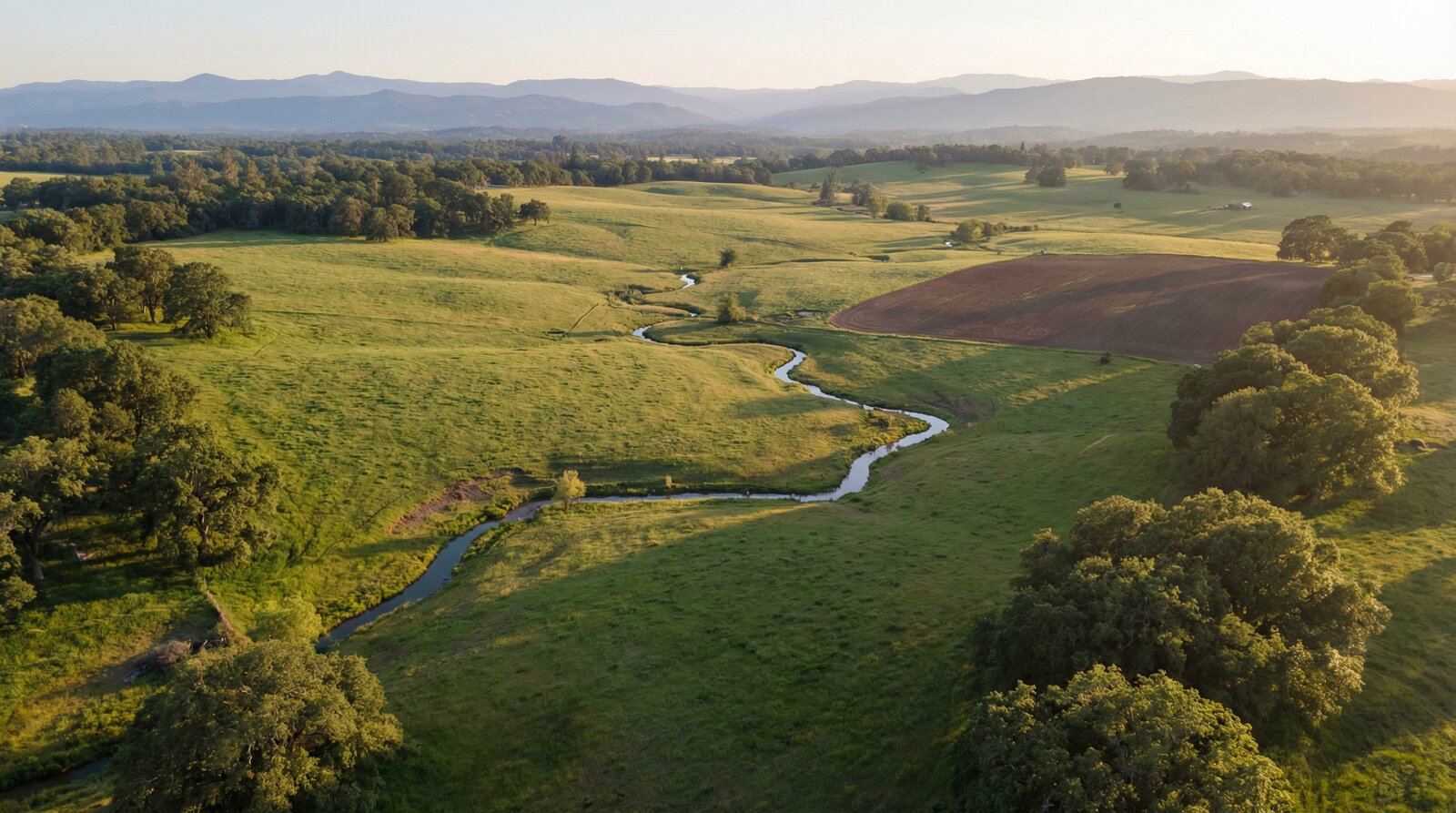
Water is the single most important factor for any homestead. Before anything else, know the answer to: Where does the water come from? A property with an existing well, spring, or year-round creek is far more valuable than one that depends entirely on hauled water or uncertain rainfall. Check whether the well has been tested recently and what the flow rate is. Verify that water rights are included in the deed — in western states especially, water rights are a separate legal item.
Soil Quality
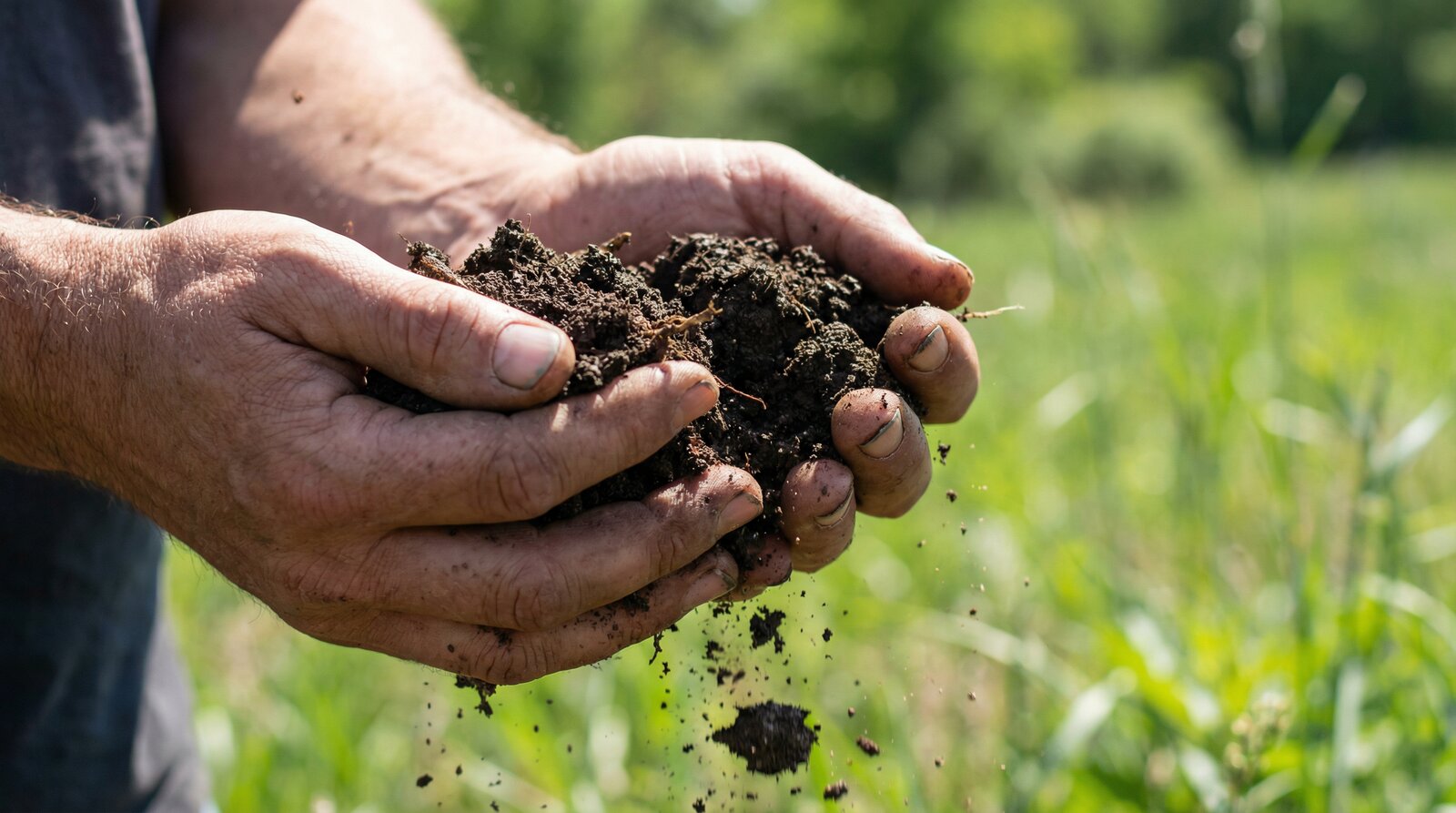
The soil determines what you can grow and how hard you’ll have to work to grow it. Look up the USDA Web Soil Survey for any property you’re serious about. Good homestead soil is loamy, well-draining, and reasonably fertile. Rocky, sandy, or heavily clay-laden soils aren’t disqualifiers — but they require significant amendment and time. Get a soil test done before you close on any property you plan to farm seriously.
Zoning and Land Use
Zoning laws vary dramatically from county to county and state to state. Before you fall in love with a piece of land, contact the county planning office and verify what’s allowed. Can you keep chickens, goats, or pigs? Can you build additional structures? Is there a minimum acreage requirement for certain animals? Is the land zoned agricultural, residential, or something in between? Zoning issues are non-negotiable — you can’t wish them away after you’ve already bought.
Road Access and Infrastructure
A property accessible only by a seasonal road is a problem in winter. An easement across a neighbor’s land to reach yours creates legal complexity that can become contentious over time. Make sure the property has a deeded legal access point. Check whether utilities are accessible — electricity, phone lines, or high-speed internet — and factor in the cost of bringing them in if they’re not already there.
Sunlight and Topography
A beautiful piece of land that sits in a north-facing valley that gets four hours of direct sunlight a day is going to fight you on every garden bed, solar panel, and fruit tree. Look at the lay of the land and understand how sunlight moves across it in different seasons. South-facing slopes are gold for homesteaders in the northern hemisphere. Steep terrain limits what you can grow and increases erosion risk.
Cell Service and Internet
This matters more than many homesteaders want to admit, especially if you or your partner will work remotely. Check actual cell coverage maps from multiple carriers for the specific parcel — not just the nearest town. Starlink satellite internet has changed this calculus dramatically in recent years, but it still costs money and needs a clear view of the sky.
How Much Land Do You Actually Need?
The honest answer is: less than you think to start, and it depends heavily on your goals. Here’s a practical breakdown by homestead scale:
Quarter-Acre to One Acre: Urban and Suburban Homestead
A quarter-acre to one-acre lot can support a serious vegetable garden, a small orchard (dwarf trees), backyard chickens, rabbits, and beehives. It won’t feed a family of four entirely, but it can meaningfully reduce grocery bills and build core skills. This scale is where most beginners should start if they’ve the choice. Management is simpler, costs are lower, and the learning curve is forgiving.
One to Five Acres: The Transition Homestead
One to five acres is the most popular range for families making a serious transition to homesteading. You can support a large vegetable garden, a fruit orchard, chickens, ducks, rabbits, and potentially a couple of goats or pigs. You’ll produce a significant portion of your food, have room for a proper barn or outbuildings, and enjoy a genuine rural lifestyle without the management overhead of a large farm.
Five to Twenty Acres: The Full Homestead
Five to twenty acres gives you room for a full food production system including large animals (cattle, horses, sheep), hayfields, timber management, large-scale gardens, and meaningful energy systems. At this scale, homesteading starts to feel like farming in some respects. The management demands increase significantly. Most families who homestead at this scale are experienced, organized, and committed to the lifestyle full-time.
More Than Twenty Acres
Larger acreage makes sense if you plan to add income-generating activities like timber management, market gardening, agritourism, or grazing operations for other people’s animals. Raw land of this size also comes with steeper maintenance responsibilities — fencing, road maintenance, invasive species management — that require real time and money.
Where to Find Affordable Homestead Land
Land prices vary enormously by region, but affordable homestead land still exists if you know where to look. The biggest mistake is staying inside traditional real estate channels and expecting to find deals.
Land Listing Websites
Sites like LandWatch, Land And Farm, and Lands of America are the Zillow equivalents for rural property. They aggregate listings from thousands of real estate agents and private sellers. You’ll see everything from subdivided lots to large ranches. Use filters aggressively: acreage, price per acre, water features, and distance from services.
County Tax Sales and Auctions
Properties that have fallen into tax delinquency are sold at public auction by county governments at prices often well below market value. These sales are public record — contact your target county’s tax assessor’s office to get on the mailing list. The trade-off is that you often can’t inspect the property beforehand and may be buying with clouded title. Do your homework carefully.
USDA Farm Service Agency Programs
The USDA Farm Service Agency (FSA) and its related programs offer below-market land sales, easements, and financing assistance specifically designed to help new farmers and rural landowners. The USDA’s Inventory Property page lists government-owned properties available for purchase. These are less known than commercial listings and often offer real value.
Land Contracts and Seller Financing
Many rural landowners — especially older ones — are willing to sell directly to a buyer and hold the note themselves rather than going through a bank. This is called a land contract or seller financing. It typically requires a down payment of 10–20% and monthly payments to the seller. You get the land, the seller gets a steady income stream. It’s a win-win when you can’t qualify for conventional financing — or simply don’t want to go through a bank.
For a deeper dive on finding affordable land, including specific search strategies by state: How to Find Affordable Homestead Land.
Free Download
Don’t tour a single property without this in your pocket.
Before we bought our place we walked past the right one twice because we didn’t know what to check. The Homestead Buyer’s Checklist is the 40-item walkthrough we wish we’d had — water, zoning, drainage, access, soil, sun, the whole list — printable and ready for your first showing. Drop your email and we’ll send it over.
Don't Buy the Wrong Land
The exact checklist to run before you sign. Water, zoning, slope, access, neighbors. The ten questions that cost people their homestead dream. Free PDF.
10 Things to Check Before You Make an Offer
Due diligence on rural land isn’t optional. Here are the ten checks that matter most:
- Water source and rights. Is there a well, spring, creek, or pond? What are the legal rights to it? Get a water test and flow rate before closing.
- Well condition and depth. If there’s an existing well, when was it last serviced? What’s the static water level and pump output? Old wells can fail and replacements cost $10,000–$30,000+.
- Septic system status. Is there a working septic system? Has it been pumped and inspected recently? Installing a new septic system can cost $15,000–$50,000 depending on soil and county requirements.
- Soil composition and history. Run a basic soil test. Find out if the land has been farmed before and what chemicals or amendments have been used. Old agricultural land sometimes has herbicide residues that prevent seed germination for years.
- Flood zone status. Look up the FEMA flood map for the parcel. Being in a 100-year flood zone affects your insurance, your mortgage options, and your actual risk of flooding. This is non-negotiable information.
- Easements and encumbrances. Request the title history and check for any easements — utility companies, neighboring landowners, or government agencies may have legal rights to cross or use part of your land. Timber rights and mineral rights may also be severed from the surface rights.
- Zoning and permitted uses. Call the county planning office directly. Don’t rely on the real estate agent’s description of what’s allowed.
- Cell service and internet. Test it on the property, not just in the nearest town. Check Starlink availability at the parcel’s coordinates if traditional internet isn’t available.
- Road access and legal ingress/egress. Verify that access to the property is legally established in the deed — not just a handshake agreement with a neighbor.
- Neighboring land uses. Who are your neighbors and what do they do? A feedlot or industrial farm adjacent to your property will affect your quality of life, water quality, and property value significantly.
For a full checklist with additional items and deeper explanations: What to Check Before Buying Homestead Land.
Never Buy Land Sight Unseen
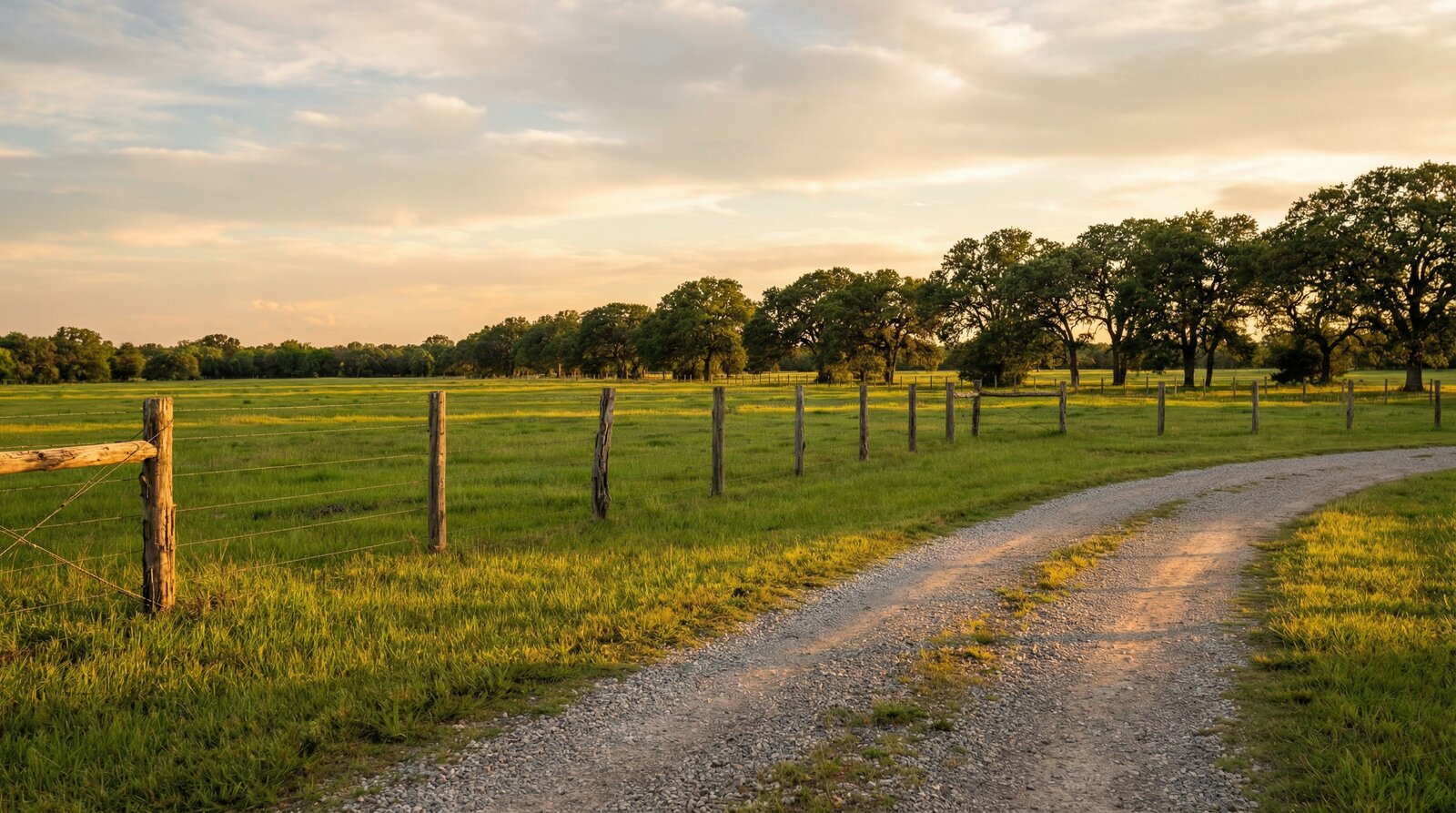
This should go without saying, but dozens of people lose thousands of dollars every year doing exactly this. Online listings show the best photos on the best days. They don’t show the seasonal drainage ditch that turns into a river in March. They don’t show the neighbor’s junkyard just off-frame. They don’t show the road that becomes impassable in mud season.
Walk every corner of the property in person. Visit at different times of day if you can. Ask the neighbors what it’s like to live there. Check the property in a wet season and a dry season if the timeline allows. Look at what’s growing (or not growing) on the land — native vegetation tells you a lot about soil drainage and quality.
If you’re buying from a distance and an in-person visit truly isn’t possible before an initial deposit, hire a local rural real estate inspector or agricultural consultant to walk the property for you. Their $500 fee is cheap insurance against a costly mistake.
For a full breakdown of sight-unseen buying risks and horror stories: Buying Homestead Land Sight Unseen: Mistakes to Avoid.
The Water Question: Wells, Cisterns, and Rainwater
Water is the one resource every homestead can’t survive without, and it’s also the factor that creates the most surprises for new rural landowners. Here’s what you need to understand before you buy.
Drilled Wells
A drilled well is the gold standard for homestead water. A good well provides reliable, clean water with minimal ongoing cost. The key numbers: depth (deeper isn’t always better, but shallow wells are more vulnerable to contamination), static water level, and gallons per minute (GPM) output. You need at least 1–3 GPM for household use; irrigation and livestock require more. Well drilling costs $25–$75 per foot depending on region, and it’s not a guaranteed success — some properties simply don’t have accessible groundwater.
Springs and Surface Water
A spring-fed water system is a beautiful thing — and it can be gravity-fed, which means no electricity required. But springs can dry up in drought years, and surface water often requires filtration before it’s safe to drink. Understand the seasonal reliability of any spring or creek before you rely on it as your primary water source.
Cisterns and Rainwater Collection
In areas with reliable rainfall, a large cistern fed by roof runoff can supply a homestead with water. A 2,500-square-foot roof in an area with 30 inches of annual rainfall can collect roughly 40,000 gallons per year. Cisterns can be excellent backup or primary systems, but they require filtration and maintenance. Check your state’s laws on rainwater collection — some states have restrictions, though most have eased them significantly in recent years.
If you’re looking at property without an existing water source: Homestead Land With No Water Source: Your Options. And for broader off-grid water and energy solutions: Off-Grid Homestead Water and Electricity Solutions.
Financing Homestead Land on a Tight Budget
Conventional mortgages don’t always work on raw rural land. Banks are reluctant to lend on unimproved land without a structure on it, and the few that do often require higher down payments and shorter terms. Here are the financing paths that actually work for homestead buyers:
USDA Rural Development Loans
The USDA’s Rural Development program offers guaranteed loans for low-to-moderate income borrowers purchasing homes in rural areas. If there’s a livable structure on the property (or you plan to build quickly), this can be one of the best financing tools available — low interest rates, low down payment, and 30-year terms. Check the USDA’s eligibility map to confirm your target area qualifies.
USDA Farm Service Agency (FSA) Loans
The FSA’s Beginning Farmer loan program offers direct and guaranteed loans specifically for new agricultural operations. If you’re planning a working homestead with income-generating activities, this program is worth exploring. Terms are favorable and designed to help people who can’t qualify for commercial financing.
Seller Financing and Land Contracts
many rural sellers are open to holding the note. A land contract means you make payments directly to the seller, with the deed transferring to you upon payoff. Terms are negotiable — interest rates, payment schedules, balloon payment clauses. Always use a real estate attorney to draft these agreements. Never do a handshake deal on real property.
Free Download
The City Dweller’s Homestead Starter Guide
Not sure where to begin? This free guide walks you through the first steps from mindset to land research to your first practical homestead skill.
Owner Financing Through Small Banks and Credit Unions
Rural banks and credit unions are often more flexible than national lenders on rural land purchases. They understand local land values better, they’ve relationships with local appraisers, and they’re more willing to work with buyers on non-standard properties. If you’re buying in a specific area, find the community bank that has been there for decades and talk to them first.
Saving for a Cash Purchase
In some of the most affordable land markets in the country — rural Appalachia, the central plains, the deep South — parcels of five to twenty acres can still be purchased for $30,000–$80,000 in cash. A disciplined two-to-three-year savings plan is a legitimate path for many families. A cash purchase also gives you enormous negotiating power and eliminates monthly debt service while you’re building the homestead.
Life After Purchase: Your First 6 Months
The day you close on your homestead land, the work begins. Here’s what to focus on in the first six months:
Month 1–2: Infrastructure Assessment
Walk the entire property systematically and document everything — every fence line, water source, structure, tree, drainage pattern, and problem area. Get your soil tested in multiple locations. Test your water if you haven’t already. Make a priority list of what needs to be fixed, improved, or built. Resist the urge to start every project at once.
Month 2–4: Fencing and Water
If you plan to have animals, fencing comes first. Good fencing is expensive and labor-intensive, but it’s foundational. At the same time, establish your water system — whether that means repairing an existing well pump, installing a pressure tank, running water lines to future animal areas, or setting up rainwater collection. A reliable water supply is more urgent than any garden project.
Month 3–6: Soil Prep and First Plantings
Amend the soil in your primary garden area. Sheet mulching, cover cropping, and compost application in fall or early spring will pay dividends in year two even if you can’t plant immediately. Learn what grew on your land before you — there’s wisdom in the existing landscape if you read it carefully.
Moving to a new rural area also means building new relationships. How you introduce yourself and interact with your neighbors from day one matters enormously: Rural Neighbor Etiquette: What to Know When Moving to the Country.
Frequently Asked Questions
How much does homestead land cost?
Homestead land prices vary dramatically by region. In the most affordable markets — rural Tennessee, Arkansas, Missouri, West Virginia, and parts of the Great Plains — you can find five to ten acres with a well for $50,000–$100,000. In the western states, the Pacific Northwest, and the Northeast, similar land often runs $150,000–$400,000 or more. Price per acre isn’t the only number that matters: factor in the cost of any improvements needed (well, septic, road, structures) to get a true cost-of-ownership picture.
What’s the best state to buy homestead land?
Tennessee, Arkansas, Missouri, and West Virginia consistently rank as the most affordable states for homestead land, with relatively favorable property taxes, water availability, and long growing seasons. Texas and Oklahoma offer affordable acreage but with water scarcity in many areas. Idaho, Montana, and Colorado appeal to many homesteaders but come at higher prices. The “best” state depends on your climate preferences, existing family connections, water availability, and budget. Visit several regions before committing — the lifestyle in the Ozarks is very different from the Rocky Mountain West.
Can you get a mortgage on raw land?
Getting a traditional 30-year mortgage on raw land (land with no structure) is difficult. Most conventional lenders require a home to be on the property. Land loans do exist — typically offered by local banks, credit unions, and the Farm Credit System — but they usually require larger down payments (20–50%), carry higher interest rates, and have shorter loan terms (10–15 years). The USDA’s Farm Service Agency and Rural Development programs can be better options for qualifying buyers. Seller financing is often the most accessible path for raw land purchases.
What should I look for when buying rural land?
The top priorities when buying rural land for a homestead are: reliable water access (well, spring, or surface water with legal rights), appropriate zoning for your intended use (animals, structures, agricultural activities), accessible year-round road access, soil quality suitable for growing food, absence of flood zone status, and reasonable proximity to services (hospital, hardware store, feed store) for your lifestyle needs. Check for easements, mineral rights severance, and any liens or encumbrances on the title before making an offer.
How do I find cheap homestead land?
The most effective strategies for finding affordable homestead land: (1) Search LandWatch, Land And Farm, and Lands of America using price-per-acre filters in lower-cost states. (2) Monitor county tax sale auctions in your target area. (3) Drive rural roads in areas you like and look for “For Sale by Owner” signs — these often represent the best deals. (4) Contact local farm bureaus and agricultural extension offices — they sometimes know of off-market properties. (5) Ask at feed stores and farm supply stores — local bulletin boards still matter in rural communities. (6) Consider land contracts with private sellers who prefer steady income to a lump-sum sale.
Your Land Purchase Starts With the Right Knowledge
Learning how to buy homestead land isn’t just about finding a pretty piece of property at a good price. It’s about buying the right land — the land that actually supports the homestead you’re envisioning — with open eyes and a clear plan. The buyers who do it right take their time, ask hard questions, walk every corner of the property, and understand what they’re buying before they sign. The ones who regret it are usually the ones who rushed.
You now have the complete framework: what makes land homestead-ready, how much you need, where to find it, what to check, how to finance it, and what to do when you close. Use this guide as your checklist, not just your inspiration.
Ready to map out your full homesteading path from where you’re right now? Visit our Start Here page for a clear starting point based on your situation. The land is waiting. The question is whether you’re prepared to make the most of it.
Start Your Homestead — Even From an Apartment
Container gardening, water storage, understanding land, raising your first animals. Practical steps you can take this month, wherever you live.