
The Complete Bug Out Guide: Planning, Gear & Tactics
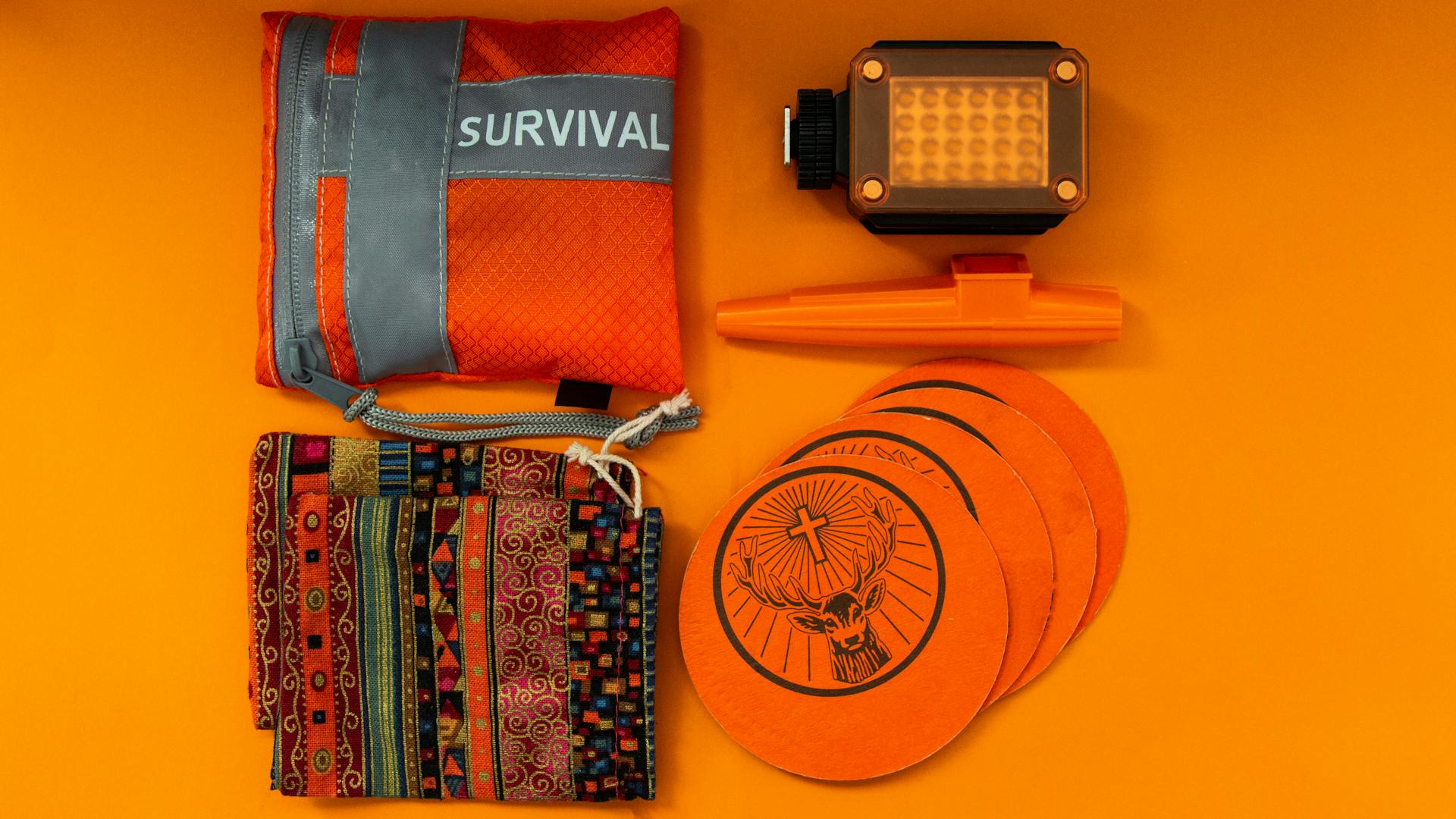
Bugging out is a last resort. In most emergencies — power outages, supply disruptions, civil unrest — staying home is the safer, smarter choice. But there are situations where leaving is the only right call: a wildfire bearing down on your neighborhood, a mandatory evacuation order, a catastrophic infrastructure failure that makes your home untenable. When that moment comes, the families who planned for it move quickly, efficiently, and calmly. Everyone else scrambles.
This complete bug out guide covers everything you need to build a functional plan: what bugging out actually means, how to build a bag that won’t break your back, how to plan and scout your routes, how to move without drawing attention, how to make the call under pressure, and how to practice until the plan is second nature.
The goal isn’t to become a wilderness survivalist or to plan for a Hollywood-style collapse. It’s to have a specific, rehearsed plan for the most likely scenarios in your area — so that if you ever need to leave home fast, you can execute cleanly and keep your family safe.
Not bugging out? For most families, most of the time, the right play is bugging in — staying put with the water, food, power, and communication already on hand. If that’s your situation, the full playbook lives here: Family Emergency Preparedness Guide. Come back to this one when you’ve got the in-place plan covered.
What Bugging Out Actually Means
Bugging out means deliberately leaving your home to move to a safer location when staying becomes more dangerous than going. It’s a tactical decision, not a lifestyle — and it should be a last resort rather than a first response.
The term is often associated with extreme scenarios, but the most common bug-out triggers are mundane: wildfire, flooding, hurricane, hazmat incident, or extended infrastructure failure that makes your home unsafe. You don’t need a societal collapse to need a bug-out plan. You need a plan for the scenarios your region actually faces.
When bugging out is the right call:
- There’s a direct, immediate threat to your home or neighborhood (fire, flood, structural damage)
- A mandatory evacuation order has been issued
- Staying home puts your family in more danger than leaving
- You’ve a specific, pre-established destination with adequate resources
When staying home (bugging in) is smarter:
- The threat is widespread and roads are dangerous or gridlocked
- Your home is structurally safe and you’ve adequate supplies
- You don’t have a specific, secure destination to go to
- The threat will likely resolve within days and your supplies cover the gap
The hardest part of the bug-out decision isn’t executing it — it’s making it. Deciding too late means fighting traffic or worse. Deciding too early burns resources and may take you from safety into uncertainty. The solution is to define your trigger conditions in advance: specific, observable events that tell you it’s time to go.
For a full framework on this decision, see what bugging out actually means and the detailed guide to the bug out vs. Bug in decision.
Building Your Bug Out Bag (By Weight Category)
A bug-out bag that you can’t carry comfortably is a liability, not an asset. The goal is to pack everything you need and nothing you don’t — and to keep the total weight within a range you can actually move with.
Weight targets: Most adults should aim for a loaded pack weight of 20–30% of their body weight for sustained movement — roughly 25–40 lbs for a 150-lb adult. Packs for children should be much lighter (5–10 lbs), focused on their own snacks, a comfort item, and small personal gear. Every pound you add is a pound you carry, so be ruthless.
Here’s how to build by category:
Shelter (2–4 lbs): An emergency bivy sack or a lightweight tarp with cordage covers most scenarios. If weight allows, a compact single-wall tent adds weather protection. An emergency Mylar blanket weighs almost nothing and can save your life in cold weather.
Water (variable): Carry 2 liters minimum in a durable bottle or bladder, plus a water filter (Sawyer Squeeze or similar) and purification tablets as a backup. Water is heavy — 2.2 lbs per liter — so a reliable filter reduces the weight you need to carry while extending your range.
Food (1–2 lbs per day): Pack calorie-dense, no-cook options: energy bars, trail mix, jerky, peanut butter packets. For a 72-hour bag, 4,000–6,000 total calories per adult is a reasonable target. Prioritize calorie density over variety.
Fire (under 1 lb): A lighter, waterproof matches, and a ferro rod give you redundant ignition sources. Fire provides warmth, water purification, signaling, and psychological comfort. Don’t skip this category.
Navigation (under 1 lb): A paper map of your region and a compass are non-negotiable. GPS devices are useful but battery-dependent. Know how to use a map and compass before you need to. Download offline maps on your phone as a backup, but don’t depend on it.
Communication (under 1 lb): A hand-crank or battery-powered emergency radio for incoming information. A fully charged battery pack for your phone. A two-way radio (FRS/GMRS) if you’re moving with a group. A whistle for signaling.
First Aid (1–2 lbs): Wound care, pain relievers, blister treatment, any personal medications, gloves, and a CPR mask. A tourniquet and hemostatic gauze add minimal weight for significant capability. Know how to use everything in your kit.
Clothing (2–4 lbs): A moisture-wicking base layer, insulating mid-layer, and waterproof outer layer. Extra socks. A hat. Gloves in cold climates. Your footwear matters as much as what’s in the bag — broken-in, waterproof hiking boots or trail runners are the right choice.
For more on bag types and how to distinguish them, see bug out bag vs. Go bag vs. INCH bag. For gear that earns its weight, see the guide to best multi-purpose survival gear. Don’t overlook weather-specific gear: the best waterproof rain jacket for a bug-out bag and best survival sunglasses for an emergency kit are worth reviewing. For signaling, see the roundup of best emergency signaling devices.
Planning Your Bug Out Route
Your bug-out route is as important as your bag. A great kit doesn’t help if you’re stuck in gridlock or navigating unfamiliar terrain under stress. Route planning should happen long before any emergency.
Primary and secondary routes: Identify at least two distinct routes from your home to your bug-out destination. Your primary route should be the fastest under normal conditions. Your secondary route should take a different path — different roads, different bridges — so that if one is blocked, the other is viable. Both should be drivable and walkable.
Pre-scouting: Drive both routes in calm conditions. Note gas stations, water sources, potential choke points (bridges, tunnels, narrow roads), and areas that might flood or become impassable. Walk the last mile of each route if possible. Familiarity under stress is a significant advantage.
Caching supplies along the route: For routes longer than a day’s travel, caching food, water, and fuel at strategic points dramatically increases your resilience. Caches can be as simple as a buried ammo can with food and water or as sophisticated as a supply drop at a trusted contact’s property. The key is pre-positioning resources so you’re not dependent on carrying everything yourself.
Bug-out location: Where are you going? A specific destination — a family member’s property, a rural cabin, a campsite you know well — is far better than “away from here.” Your bug-out location should be at least 25–50 miles from your home (far enough to be outside most localized disaster zones), have a water source, have shelter, and be known to the people you’d be traveling with.
For detailed guidance on supply positioning, see the guide to how to cache survival supplies along your bug-out route. For region-specific threat assessment, see regional bug-out threats by area.
Free Download
Before you build the bag, build the first 72 hours.
Most people pack gear they’ll never use and skip the basics that actually keep them alive for three days. The 72-Hour Prep Blueprint is the exact readiness checklist we use — water, food, shelter, meds, docs, and the go-time decision tree — on one printable sheet. Drop your email and we’ll send it over.
Get 72 Hours Ahead of the Next Outage
The exact food, water, power, and comms setup that keeps your family running when the grid doesn't. Free PDF — built for people who act before they have to.
Moving Without Being Noticed — The Gray Man Approach
In a widespread emergency, the people who move quietly and blend in are far safer than those who advertise their preparedness. The gray man concept is simple: look like everyone else. Don’t wear tactical gear. Don’t carry an obviously military-style bag. Don’t display weapons openly. Avoid behavior that marks you as someone who has things worth taking.
Appearance: In an urban or suburban evacuation, the gray man looks like a regular person — jeans or neutral cargo pants, a plain jacket, a regular-looking backpack (school or daypack style rather than military MOLLE). Nothing that signals “I’m prepared” or “I’ve supplies.” Muted, neutral colors blend in; camouflage and tactical black stand out in civilian environments.
Behavior: Move with purpose but without urgency that draws attention. Don’t display maps in crowded areas. Keep conversations private. Avoid confrontations. Observe your environment constantly — awareness of who’s around you and how they’re behaving is the foundation of personal safety in a disrupted environment.
Group dynamics: A group moving together is inherently more visible than an individual. Assign roles, agree on behavior standards, and move cohesively. A family that looks organized and purposeful without being conspicuous moves through public spaces more safely than one that looks confused or afraid.
Scent: In scenarios requiring close contact with others or extended movement through populated areas, unscented products reduce your profile in ways that matter more than most people expect. See the guide to best unscented toiletries for preppers.
For a complete breakdown of the approach, see the gray man concept for preppers. Additional tactical guidance in the guides to low-profile bug-out tactics and situational awareness when bugging out.
Speed — Getting Out Before the Rush
The single biggest factor in a successful bug out is timing. Leave before the roads are gridlocked, before the gas stations run out, before the situation deteriorates further. The first 30 minutes after making the decision to go are the most critical.
Why speed matters: In a major area-wide evacuation, roads that are passable at 6 AM may be completely gridlocked by 8 AM. Gas stations that have fuel at noon may be empty by 2 PM. The people who move first operate in conditions that are categorically better than those who wait. Every hour of hesitation narrows your options.
What enables speed: The ability to move fast depends almost entirely on pre-event preparation. Bags that are pre-packed and staged near the door. A vehicle that’s fueled and maintained. A family that knows the plan and can execute their roles without lengthy discussion. A decision trigger that removes hesitation. None of this happens in the moment — it’s all pre-work.
Pre-packed bags: Your bug-out bags should be packed and ready to grab, not assembled during the emergency. Seasonal updates (swapping summer for winter clothing, checking food expiration dates) keep them current. The goal is to get from “normal” to “in the vehicle and moving” in under 15 minutes.
Vehicle readiness: Keep your primary evacuation vehicle above half a tank of gas as a standing practice. A vehicle emergency kit should be permanently installed in the trunk. Know how to address basic mechanical issues (flat tire, dead battery) so a minor problem doesn’t become a showstopper at the worst possible time.
For specific tactics on executing a rapid departure, see how to bug out fast: emergency evacuation tips.
The Mental Side of Bugging Out
Physical preparedness gets most of the attention, but the mental and psychological side of a bug-out situation is equally important — and much harder to prepare for. Under acute stress, decision-making degrades, emotions run high, and group dynamics can fracture quickly.
Decision-making under stress: The brain under extreme stress reverts to trained behaviors. This is why military and emergency responders train repetitively — to build responses that work even when the prefrontal cortex is overwhelmed. The same principle applies to your family’s emergency plan. If you’ve practiced, you execute. If you haven’t, you improvise — and improvised decisions under stress are rarely optimal.
Keeping your group calm: Fear and panic are contagious, but so is calm. The leader of a family group sets the emotional tone. Calm, direct communication — clear assignments, regular updates on what’s happening and what comes next — reduces anxiety in others. Avoid catastrophizing. Focus on the next immediate task rather than the full scope of the situation.
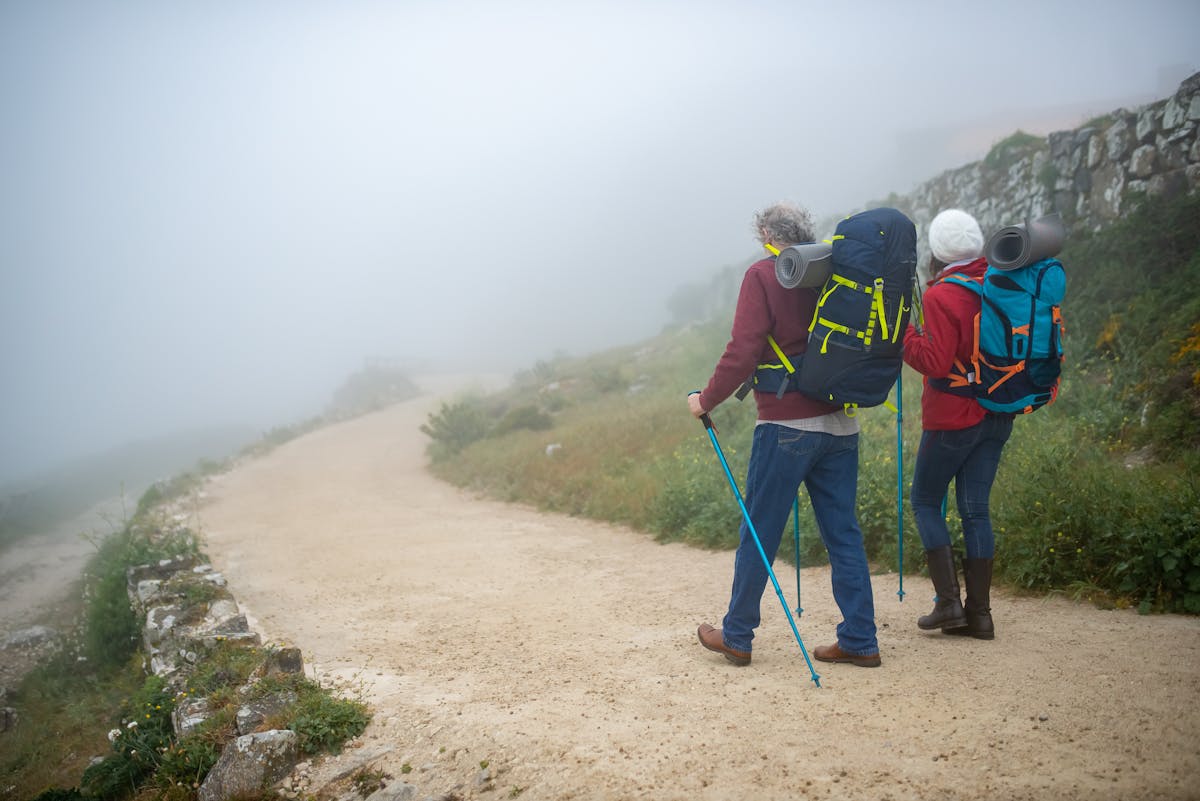
Managing uncertainty: You won’t have complete information during an actual bug-out. Plans will need to adapt. Conditions will be different from what you expected. Building psychological flexibility — the ability to adjust without losing composure — is as important as any physical preparation. Practice decision-making in ambiguous scenarios during drills.
Children and elderly family members: Family members who are very young, elderly, or have special needs may have greater difficulty coping with the stress of an emergency situation. Assign specific caretakers within your group. Brief, honest explanations are better than false reassurances that children can see through. Keep routines as normal as possible to provide psychological anchoring.
For a deeper dive into the psychology of survival situations, see the guide to human psychology in survival situations. For complete strategy, read bug-out survival plan strategies.
Personal Protection During a Bug Out
Personal protection is a topic that deserves honest, grounded treatment. In most bug-out scenarios, you won’t encounter threats that require force. The far more common risks are accidents, exposure, illness, and the consequences of poor decision-making — not armed confrontation. That said, understanding the legal and practical dimensions of personal protection is part of a complete plan.
Avoidance first: The most effective personal protection strategy is avoiding situations where conflict is possible. This means leaving early (before conditions deteriorate), using routes that avoid population centers if possible, not displaying resources or valuables, and projecting calm, purposeful behavior. Conflict avoidance isn’t timidity — it’s the highest-percentage path to keeping your family safe.
Legal considerations: If you choose to carry a defensive firearm, understand the laws in every jurisdiction you’ll be passing through. Concealed carry permits have reciprocity agreements that vary by state. Open carry laws differ dramatically. A firearms violation in the middle of an emergency creates problems that vastly outweigh any defensive benefit.
Less-lethal options: Pepper spray, a personal alarm, and a quality flashlight (which can be used defensively) are legal in virtually all jurisdictions, low-profile, and effective deterrents in most threat scenarios that civilians actually encounter.
Group security: A group that maintains situational awareness, moves purposefully, and projects cohesion is a far less attractive target than one that appears confused or vulnerable. Group security is mostly behavioral, not equipment-dependent.
For a complete treatment of this topic, see the survival personal protection guide and the civil unrest survival guide for families.
Practice Makes the Difference — Running Drills
A plan that exists only on paper isn’t really a plan. The only way to know whether your plan works — and to build the muscle memory that makes it executable under stress — is to practice it. There are two types of practice worth doing: tabletop exercises and real evacuation drills.
Tabletop exercise: A tabletop is a discussion-based exercise. Gather the family, present a scenario (“It’s 10 PM on a Saturday. A wildfire has started two miles away and is moving toward us. The wind forecast shows it reaching our neighborhood in four hours. What do we do?”), and walk through the plan together. Ask questions: Who’s in charge? What do we grab? Which route do we take? What if the primary route is blocked? Tabletops reveal gaps, assumptions, and disagreements that need to be resolved before a real emergency.
Real evacuation drill: A real drill tests execution, not just understanding. Set a scenario, start a timer, and actually do it — pack the bags, load the vehicle, and drive the route. This reveals the gap between “we know the plan” and “we can execute the plan in 15 minutes with a toddler and a dog.” Run this at least once a year. Debrief honestly and update the plan based on what you learn.
What to measure: Track time from “go” signal to “in the vehicle and moving.” Note what slowed you down. Identify gear that didn’t fit, documents that weren’t found, family members who didn’t know their role. Each gap you find in practice is a gap you won’t encounter in a real emergency.
The family emergency evacuation drill guide provides a step-by-step process for running both types of practice exercises.
Building Your Bug Out Skills Over Time
Gear and plans matter, but skills are the foundation of real preparedness. A prepared person who loses their bag is still prepared. Someone whose preparedness exists only in their equipment is a crisis away from being helpless.
Core skills to develop: Land navigation (map and compass), fire-starting in adverse conditions, water procurement and purification, basic first aid and trauma care, shelter building, and basic food procurement. None of these require becoming an expert. Functional competence — the ability to perform the skill adequately under realistic conditions — is the target.
How to build skills progressively: Start with the highest-value skills for your region and threat profile. If you live in wildfire country, land navigation and fire behavior knowledge are high priority. If you live in a hurricane zone, water management and shelter skills matter more. Add skills systematically rather than trying to master everything at once.
Practice in real conditions: Skills practiced in comfortable conditions often fail in adverse ones. Navigation training should include navigating in low light, in rain, and in terrain that isn’t familiar. First aid training should include practicing under stress, with gloves on, in the dark. The discomfort of realistic training is exactly the point.
For a structured approach to building survival skills, start with how to learn survival skills as a beginner and progress to how to improve survival skills toward mastery. The essential survival gear and camping kit list covers the equipment side, and small game hunting for beginners adds a critical food procurement skill for extended situations.
Frequently Asked Questions
What should I put in a bug out bag?
A bug-out bag for one adult should include: 2 liters of water plus a water filter, 4,000–6,000 calories of calorie-dense no-cook food, emergency shelter (bivy sack or lightweight tarp and cordage), fire-starting tools (lighter, matches, ferro rod), a first aid kit, a multi-tool or fixed-blade knife, a headlamp with extra batteries, navigation tools (map and compass), copies of critical documents, cash in small bills, a phone charger/battery pack, and weather-appropriate clothing. Total weight should be 25–40 lbs for an adult, significantly less for children.
How far should I bug out?
Most bug-out planners recommend a destination at least 25–50 miles from home — far enough to be clear of most localized disaster zones, close enough to be reachable on a tank of gas or, in the worst case, on foot within a few days. The specific distance depends on the threats in your region and where your bug-out location is. More important than the distance is having a specific destination rather than a general direction.
What’s a bug out location?
A bug-out location (BOL) is a pre-designated destination you can travel to when leaving home is necessary. The best BOLs have a reliable water source, shelter, a defensible position, and are known to the people you’d be traveling with. Options include a family member’s rural property, a seasonal cabin, a trusted friend’s home outside the primary threat zone, or a pre-scouted campsite with cached supplies. The key is that it’s specific, pre-planned, and stocked — not improvised on the fly.
When should I bug out instead of staying home?
Bug out when: there’s a direct, immediate threat to your home (approaching wildfire, rising floodwater, structural damage); you receive a mandatory evacuation order; staying home creates more risk than leaving; or you’ve a specific, safe destination to move to. Stay home when: the threat is widespread and roads are dangerous; your home is secure and you’ve adequate supplies; or you don’t have a specific destination that’s clearly safer. Define your trigger conditions in writing before any emergency occurs — the middle of a crisis isn’t the time to make this decision for the first time.
How do I choose a bug out route?
Choose bug-out routes by first identifying your destination, then mapping two distinct paths — a primary route and a secondary that uses different roads and bridges. Drive both in non-emergency conditions and note fuel stops, water sources, and potential choke points. Avoid routes that funnel through single bridges, tunnels, or known bottleneck areas. Consider a third option — a foot route — for the scenario where vehicle travel becomes impossible. Pre-scout and update your routes seasonally, as conditions change.
Your Complete Bug Out Plan Starts Now
This complete bug out guide covers the full range of planning, gear, and tactics — but the most important step is the one you take today. Identify your most likely bug-out trigger. Look at a map and sketch two routes to a specific destination. Start packing one bag.
Bugging out is a last resort, and you may never need to do it. But having a specific, practiced plan transforms that scenario from a chaotic scramble into a controlled, deliberate movement. That difference — between reacting and executing — is what keeps families safe.
For the full homesteader’s approach to preparedness, from food and water storage to skills and community, visit our start here page.
Free Download
Emergency Preparedness Checklist
A complete homesteader’s checklist for emergency food, water, power, communications, and family readiness. Free download.
Get the Free Guide →Related posts:
- Survival Prepping for Homesteaders: The Complete Family Preparedness Guide
- The Complete Guide to Homestead Food Preservation
Get 72 Hours Ahead of the Next Outage
The exact food, water, power, and comms setup that keeps your family running when the grid doesn't. Free PDF — built for people who act before they have to.