The Complete Beginner’s Guide to Homesteading (2026)

You’ve been watching the videos, saving the pins, and dreaming about growing your own food, raising animals, and building a life that actually makes sense. But every time you try to take the first step, the path isn’t clear. What do you do first? Do you need land? How much money? What if you’re still in an apartment? This guide is your complete starting map for homesteading — not a fantasy version, but the real one. If you want a beginner’s guide to homesteading that actually gets you moving, you’re in the right place. We’ll cover what homesteading really means, the five pillars every homestead is built on, where to start based on where you live right now, and the most common mistakes to avoid. No fluff. Just the roadmap.
What’s Homesteading? (And What It’s Not)
Most people picture homesteading as a remote farm with chickens, a root cellar, and a wood-burning stove. That image isn’t wrong — but it’s a tiny slice of what homesteading actually is.
Homesteading is the intentional practice of producing more of what you need and depending less on systems you don’t control. That could mean growing tomatoes on a balcony. It could mean learning to preserve food, reducing your grocery bill, or generating your own electricity. The common thread isn’t location — it’s mindset and action.
You don’t need land to start homesteading. You don’t need a barn, a tractor, or a rural zip code. Thousands of people homestead in apartments, condos, and suburban backyards right now. The skills stack on top of each other, and the land can come later — when you’re ready and when you’ve learned enough to use it well.
What homesteading is not is off-grid survivalism or going back to the 1800s. Modern homesteaders use technology, have Wi-Fi, and live normal lives. They’ve just added layers of self-reliance to whatever living situation they’ve today.
For a deeper breakdown of what homesteading means for families in 2026, read: What’s Homesteading? Benefits for Modern Families.
The 5 Pillars Every Homestead Is Built On
Every homestead — whether it’s a studio apartment or a 20-acre farm — is built on the same five foundations. Master these and you’re homesteading, regardless of your zip code.
1. Food
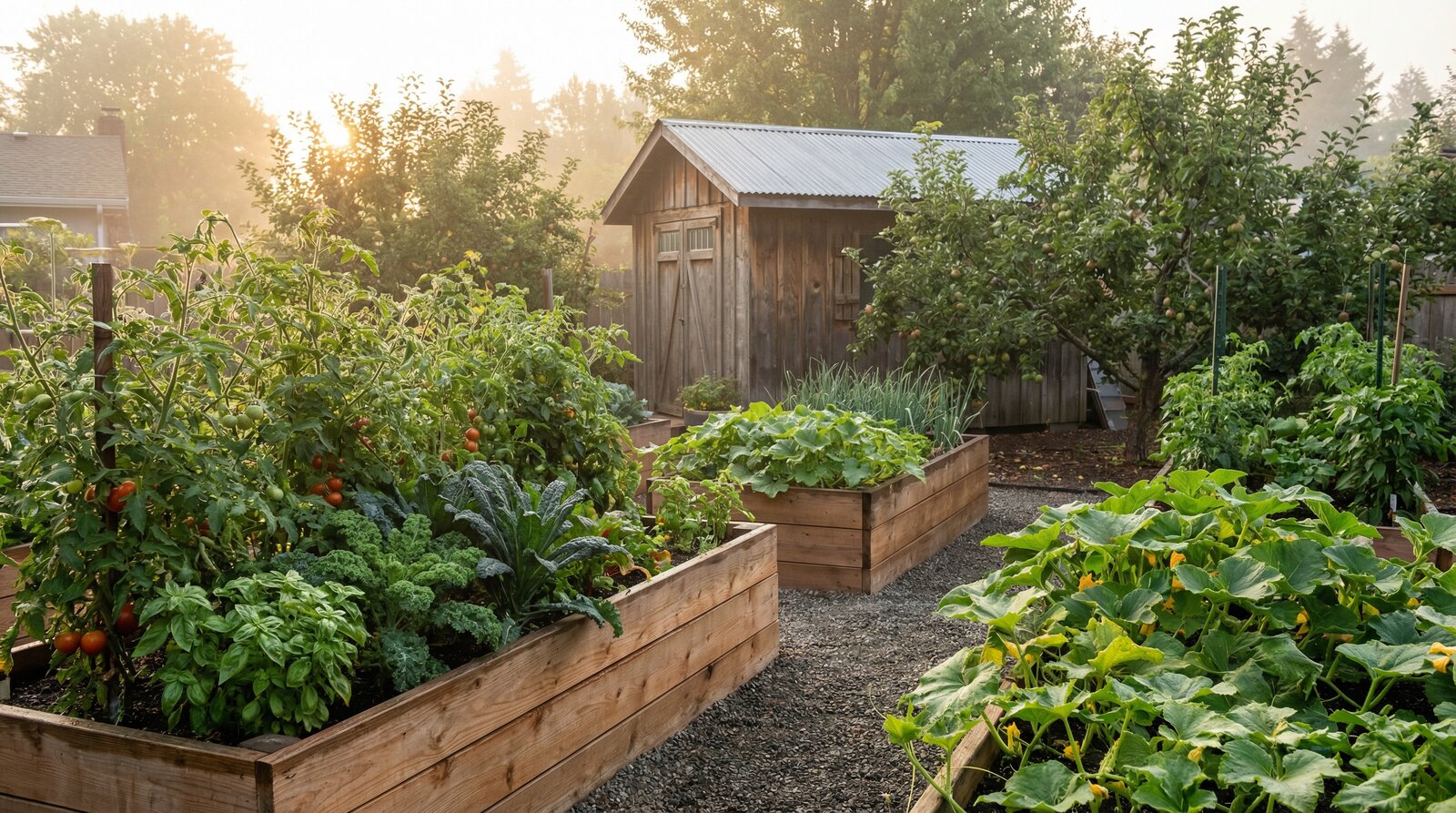
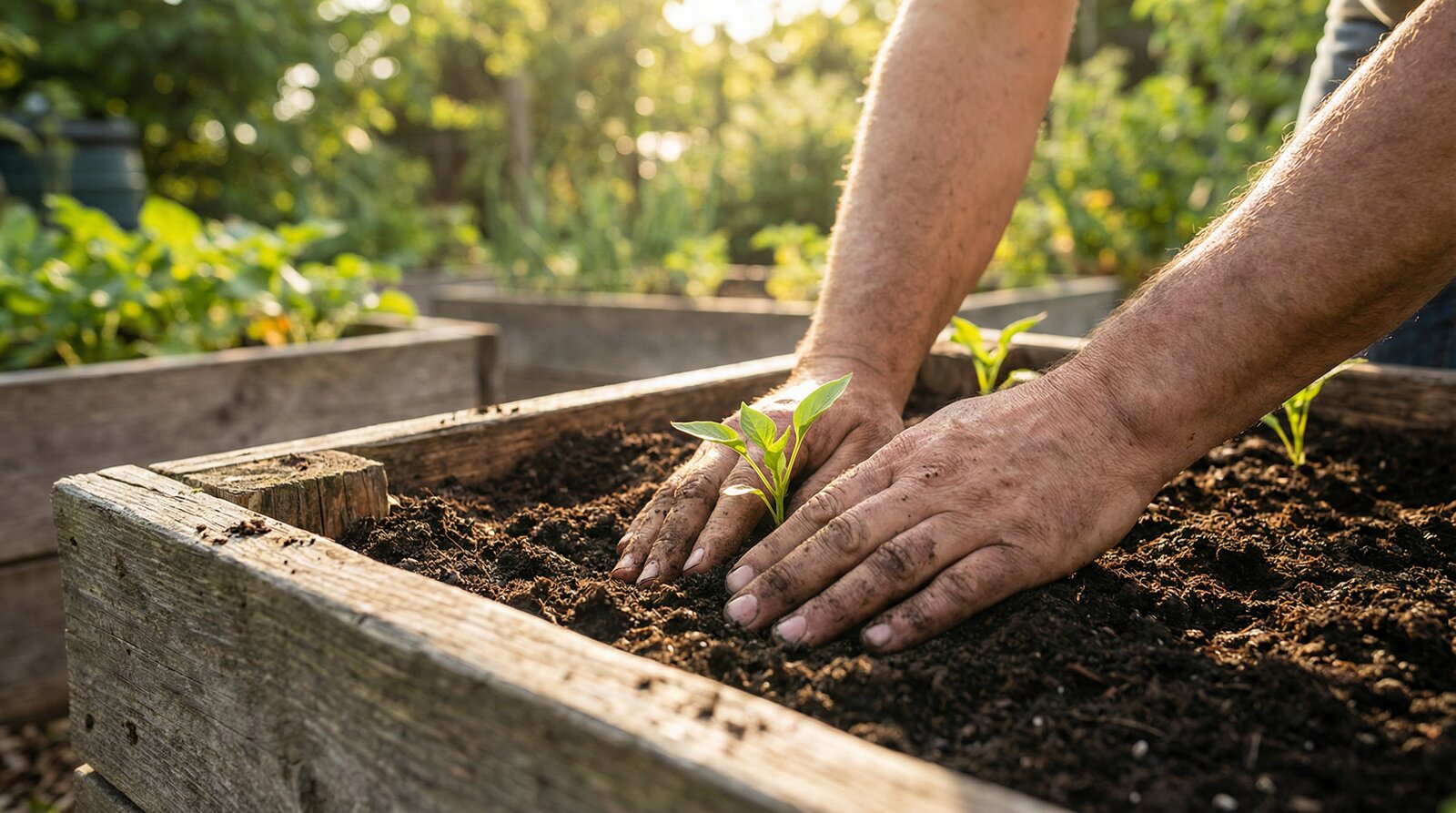
Growing, raising, or preserving your own food is the heart of homesteading. This starts small: a few herb pots, a container of lettuce, a backyard raised bed. Over time, it expands into a garden, food preservation, and possibly animals. Food production is usually the first pillar people build because it’s accessible, rewarding, and immediately practical.
2. Water
Clean water is the most critical resource on any homestead. Most beginners don’t think about water until they’re on land — but understanding rainwater collection, filtration, storage, and water rights is important even in the suburbs. City homesteaders can start by learning about water use efficiency, rain barrels, and greywater systems.
3. Energy
Energy independence reduces your vulnerability to outages, rate hikes, and supply chain disruptions. This pillar includes solar panels, battery backup systems, wood heat, and energy efficiency. You don’t need to go fully off-grid to benefit from energy resilience. Even a small solar generator for backup power is a meaningful step.
4. Skills
Homesteading is fundamentally a skills-based lifestyle. Cooking from scratch, preserving food, basic carpentry, animal husbandry, first aid, seed saving — these are the competencies that give you real freedom. Skills are the most portable and valuable investment you’ll make. They travel with you no matter where you end up.
5. Community
No homesteader does it completely alone. Community means knowing your neighbors, trading skills and produce, sharing equipment, and building relationships with other people who share your values. The most resilient homesteaders are embedded in a community of people who can help when things go sideways. Online communities can help you learn, but local connections are where real resilience lives.
Where you’re Right Now Determines Where You Start
One of the biggest mistakes beginners make is looking for a universal starting point. There isn’t one. Where you start depends on where you live. Here’s how to think about it:
If You’re in an Apartment
You can absolutely start homesteading from an apartment. Container gardening, sprouts, fermented foods, kombucha, sourdough, and food preservation are all within reach. You’ll focus heavily on food skills and community-building while you work toward a larger space. Check out our complete guide: How to Start Homesteading From an Apartment.
If You’re in a Suburb
Suburban homesteading has exploded in the past decade. A standard suburban lot gives you room for a serious food garden, backyard chickens (where permitted), rain barrels, and a small greenhouse. You can produce a meaningful portion of your family’s food within a year of focused effort. See the full step-by-step breakdown: Urban Homesteading for Beginners: Step-by-Step and How to Start a Backyard Homestead as a Beginner.
If You’re Already in a Rural Area
You’ve the space — now you need the skills and systems. Rural beginners often try to do too much too fast. Start with one core project (a garden, a flock of chickens, or a root cellar), master it, then add more. The risk here isn’t not doing enough. It’s burning out by doing too much at once.
No matter where you’re starting, the key is starting where you’re with what you’ve. The skills you build today are the foundation you’ll build your future homestead on.
Free Download
Plant what works where you live — not what Instagram says.
Half the first-year garden failures we see come from planting the wrong crops for the wrong zone at the wrong time. The Zone Planting Kit lays out what to plant, when to plant it, and what to skip — organized by USDA zone so you stop guessing. Enter your email and we’ll send it to you.
Know Exactly What to Plant — and When
A zone-by-zone planting calendar that takes the guesswork out of your first growing season. Free PDF.
Your First 90 Days as a Homesteader
The first three months are about building momentum and getting some wins. Here’s a realistic month-by-month action plan for new homesteaders.
Month 1: Learn and Plant One Thing
Don’t try to overhaul your life in month one. Pick one skill and get a quick win. Plant a container of lettuce or herbs. Start a sourdough starter. Try your first batch of fermented vegetables. Read everything you can about your local growing zone. The goal is to create movement and build confidence — not to become self-sufficient in 30 days.
Subscribe to local homesteading groups online. Find one person in your area who gardens seriously. Start a homesteading journal where you track what you plant, what works, and what you’re learning.
Month 2: Expand Your Food System
Now that you’ve a small win, expand it. Add two or three more food-producing containers or raised beds. Try preserving something — even just making jam or drying herbs. Learn how to read seed catalogs and understand your USDA hardiness zone. If you’ve outdoor space, plan a proper garden layout. If you’re in an apartment, explore indoor growing systems.
This is also the month to take an inventory of your home’s systems: what food do you’ve stored? Do you’ve a way to cook without electricity? What’s your water situation?
Month 3: Add a Second Skill and Find Community
By month three, you should feel more grounded. Add a second major skill area — food preservation, basic carpentry, chicken-keeping research, or composting. Join a local garden club, homesteading meetup, or community supported agriculture (CSA). Attend a farmer’s market and actually talk to the vendors. Connection accelerates learning faster than any book.
For a detailed beginner’s living plan including meal systems, skill-building, and routines: Homestead Living for Beginners: A Complete Guide.
The Skills That Matter Most (In Order)
If you try to learn everything at once, you’ll learn nothing well. Here’s the order that makes the most practical sense for beginners:
1. Food Growing
Start here, always. Growing even a small amount of your own food changes how you think about food systems, seasonality, and self-reliance. You don’t need a big garden — you need a real one, tended consistently. Learn your soil, your climate, your pests, and your planting calendar.
2. Food Preservation
Once you’re growing food, you need to preserve it. Canning, fermentation, dehydrating, and root cellaring are ancient skills that modern homesteaders rely on heavily. Preserved food is money in the bank — it reduces grocery bills, builds food security, and connects you to generations of practical knowledge. Fermentation is one of the most accessible entry points — a sourdough starter is a good first project: flour, water, and seven days.
3. Animal Husbandry
Animals add complexity to a homestead, but they also add protein, fertilizer, pest control, and companionship. Start with chickens — they’re forgiving, productive, and legal in most areas. Learn the basics of poultry health and housing before you add rabbits, goats, or larger livestock.
4. Water Management
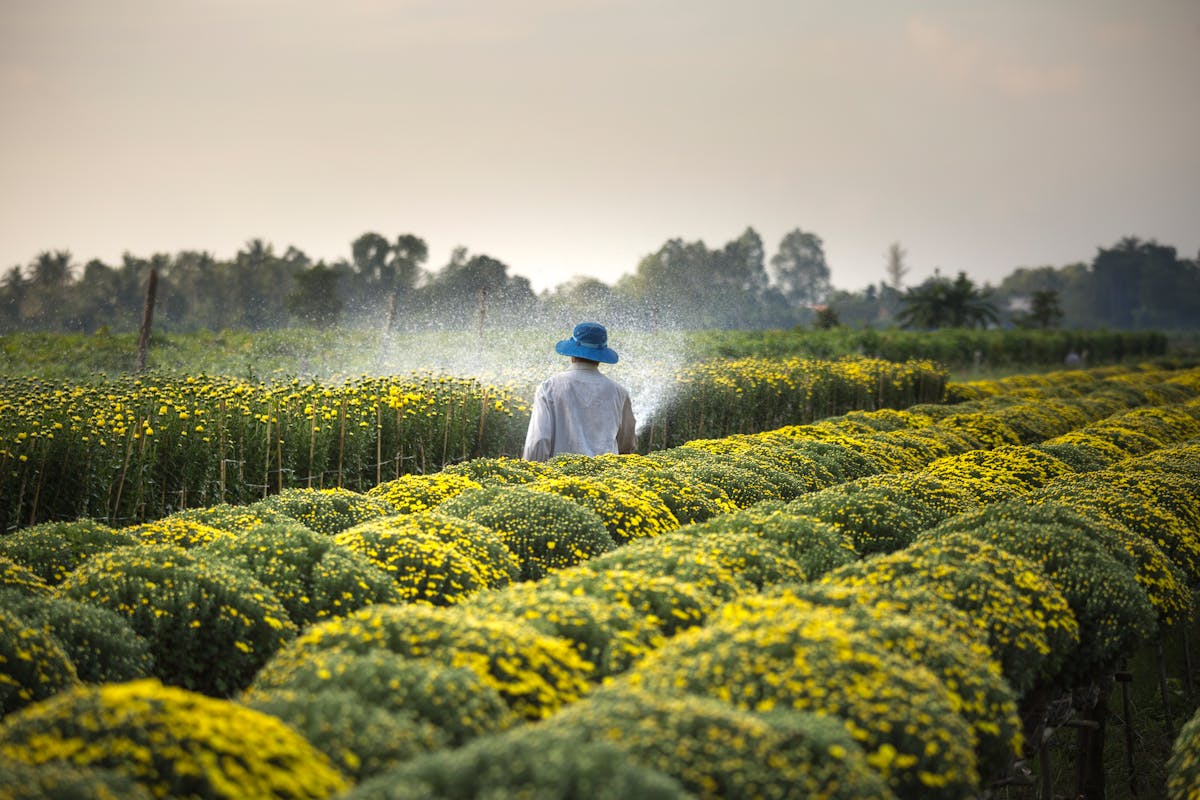
Understanding your water — where it comes from, how to store it, how to purify it, and how to use it wisely — becomes critical as your homestead grows. Rain barrels, water storage tanks, well maintenance, and irrigation systems are all part of this skill set.
5. Energy Resilience
Solar, wood heat, generator backup — building energy resilience takes time and money, but it pays off. This is typically the most capital-intensive pillar, so most beginners build toward it rather than starting with it.
6. Community Building
Building real relationships with neighbors, local farmers, and other homesteaders is a skill in itself. Show up consistently. Bring food to share. Learn people’s names. Offer help before you need it. Community is the infrastructure no single person can build alone.
For a complete overview of skills organized by where you live: How to Start Homesteading No Matter Where You Live.
The Land Question — Do You Need It to Start?
No — you don’t need land to start homesteading. This is the myth that keeps the most people stuck.
The best time to buy homestead land is after you’ve spent one to three years building real skills. Why? Because the most expensive homesteading mistakes happen when people buy land before they know what they actually need. They buy the wrong acreage, the wrong soil, the wrong water situation, or the wrong zone for the animals they want to raise.
Skills-first isn’t a consolation prize. It’s the smart strategy. When you finally do buy land, you’ll know exactly what to look for, exactly what to do with it, and exactly what questions to ask the seller.
When you’re ready to think about land, modern homesteading resources can help you understand what the transition looks like: What’s Modern Homesteading? A Practical Overview.
Common Mistakes New Homesteaders Make
These mistakes don’t make you a failure — they make you normal. But you can avoid them by knowing they’re coming.
Starting Too Big
The most common beginner mistake is going from zero to a 10-acre farm with chickens, goats, a big garden, and a permaculture food forest in year one. This path burns people out. Animals need daily care. Gardens need consistent maintenance. Overwhelm leads to quitting. Start with one thing, do it well, then add more.
Buying Land Before You’re Ready
Buying raw land before you’ve real skills is like buying a professional kitchen before you know how to cook. You’ll spend money solving problems you could have avoided if you’d learned the basics first. Build skills first. The land will still be there.
Going It Alone
Homesteading can feel like a personal journey — and in many ways it’s. But the homesteaders who succeed long-term are almost always embedded in some kind of community. You’ll need help moving heavy things, identifying plant diseases, harvesting in a hurry, and staying motivated during hard seasons. Don’t isolate yourself.
Waiting for Perfect Conditions
You’ll never have the perfect property, the perfect budget, the perfect schedule, or the perfect amount of knowledge. Start with what you’ve. A $5 packet of seeds and a five-gallon bucket is enough to begin. Waiting for perfect is just another word for never starting.
Underestimating the Learning Curve
Gardening looks easy until you lose half your crops to aphids or soil that turns to concrete in August. Animals seem manageable until a chicken is sick and you don’t know what to do. Give yourself grace and time. The learning curve is real, and the education you get from actual hands-on failure is irreplaceable.
When you’re ready to add animals, start with our beginner’s guide to raising animals on a homestead.
Frequently Asked Questions
What’s homesteading for beginners?
Homesteading for beginners means intentionally building skills and systems that make you more self-reliant — starting with whatever space you’ve. For beginners, this usually means growing some of your own food, learning preservation skills, and reducing dependence on grocery stores and fragile supply chains. You don’t need land, animals, or a lot of money to start. You need a willingness to learn and the discipline to practice new skills consistently.
How much land do you need to homestead?
You need zero land to start homesteading. Apartment homesteaders grow food in containers and master preservation skills. For a productive suburban homestead, a quarter-acre lot is enough to grow significant food and keep backyard chickens. One to five acres gives you room for a large garden, several animal species, and energy systems. A full-production homestead that can feed a family of four typically requires five to twenty acres, depending on your goals, growing zone, and methods.
Can you homestead in a city or apartment?
Yes, absolutely. Urban and apartment homesteading is a growing movement. Container gardening, indoor growing systems, sprouts and microgreens, fermentation, food preservation, and sourdough baking are all fully accessible to city dwellers. Many urban homesteaders also keep small animals like quail, rabbits, or bees where local ordinances allow. The city homestead looks different from the rural one — but the mindset and many of the core skills are identical.
How much does it cost to start homesteading?
You can start homesteading for under $50. A few seed packets, a bag of potting soil, and some containers is all you need to grow your first food. As you scale up, costs increase — a backyard garden setup might run $200–$500 in year one, chickens another $300–$600 including the coop, and land purchases vary wildly by location. The good news is that homesteading, done right, eventually saves money. Most established homesteaders spend significantly less on groceries than comparable households.
What skills do you need to homestead?
The most important skills for homesteading are: food growing (especially vegetable gardening), food preservation (canning, fermenting, dehydrating), basic cooking from scratch, animal care (starting with poultry), water management, and basic construction and repair. You don’t need all of these on day one. The skill set is built over years, layer by layer. The mindset that matters most is a willingness to learn by doing and to stay curious about how things work.
Your Next Step Starts Today
The gap between dreaming about homesteading and actually living it isn’t knowledge — it’s action. You now have the complete beginner’s guide to homesteading: the five pillars, where to start based on your situation, a 90-day action plan, the skills that matter in the order they matter, and the mistakes to sidestep. The only thing left to do is begin.
Pick one thing — one seed packet, one jar of fermented vegetables, one afternoon in the backyard — and do it this week. Momentum is built in small steps taken consistently, not in giant leaps that exhaust you.
Ready to map out your full path? Head to our Start Here page for a personalized starting point based on where you live and where you want to go. Your homestead starts with one decision: to begin.
Free Download
City Dweller’s Homestead Starter Guide
Everything you need to start your homesteading journey — even from a city apartment or suburban backyard. Free download.
Get the Free Guide →Related posts:
- The Complete Guide to Homestead Food Preservation: Canning, Fermenting & Dehydrating
- Urban Homesteading: The Complete Guide for City and Suburban Dwellers
Start Your Homestead — Even From an Apartment
Container gardening, water storage, understanding land, raising your first animals. Practical steps you can take this month, wherever you live.
Start Your Homestead — Even From an Apartment
Container gardening, water storage, understanding land, raising your first animals. Practical steps you can take this month, wherever you live.