How to Start a Backyard Homestead: 9 Beginner Steps
Your backyard is underutilized. Maybe it’s mostly lawn that gets mowed and not much else. Or maybe you’ve grown a few tomatoes before and wondered what more was possible. A productive backyard homestead is achievable for most suburban families—and it doesn’t require tearing everything up and starting from scratch. It requires nine deliberate steps, taken in order, that build on each other until your backyard is genuinely feeding your family. Here’s how to start a backyard homestead, one step at a time.
Each step here builds the foundation for the next. Skip ahead at your own risk—the families who try to do everything at once usually burn out by summer. Follow this sequence and you’ll end your first year with a productive system, real skills, and the momentum to keep expanding.
Step 1: Start a Container Garden While You Plan
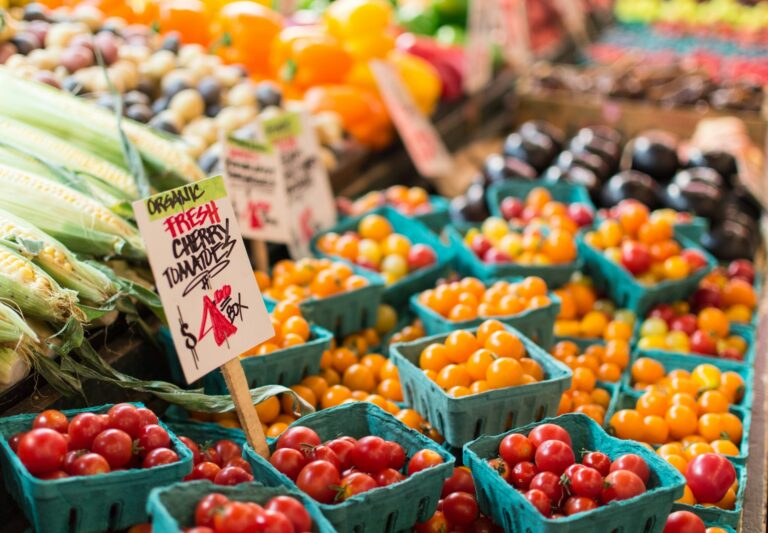
Before you dig a single bed or build a single structure, start growing something in containers this week. Cherry tomatoes in 5-gallon buckets, herbs in window boxes, lettuce in a grow bag—any of these put immediate food production in motion while you observe your yard through a full growing season.
Watching your yard through spring, summer, and fall tells you which areas get full sun (6+ hours daily), where water pools after rain, and where you’d actually want to spend time gardening. This observational year is more valuable than any amount of planning from a lawn chair in December. Start a growing journal and note what you observe each week.
Container Garden Startup Cost
- Four 5-gallon buckets: $12
- One bag of premium potting mix (1.5 cu ft): $12
- Seed packets (cherry tomatoes, basil, lettuce, radishes): $10–15
- Total startup cost: under $40
Step 2: Build Your First Raised Bed
After observing where your best sun exposure is, build a 4×8-foot raised bed in that location. This is the core of your backyard homestead and the most productive food-growing structure per square foot. A 4×8 bed holds 4 cubic feet of growing medium, supports 32 intensive planting squares (using square-foot gardening methodology), and can produce $200–400 worth of vegetables in a season.
Build it from untreated cedar boards (1.5 inches thick × 6 inches tall × 8 feet long; two boards cut to 4 feet for the ends). Total material cost: $60–80. Fill with a mix of 60% topsoil, 30% compost, and 10% perlite—this “Mel’s Mix” variant produces excellent results with minimal amendments. Avoid using native soil directly in raised beds; it compacts and drains poorly.
Step 3: Start Composting
Compost is the currency of a productive garden. A working compost system transforms kitchen scraps and yard waste into free, premium fertilizer that improves soil structure, feeds plants, and reduces your need to purchase amendments. Start your compost system at the same time you start your first raised bed—you’ll want finished compost to feed that bed by the second season.
A basic three-bin compost system built from pallets (often free from hardware stores or Facebook Marketplace) takes a weekend to assemble. Alternatively, a compost tumbler ($60–120) speeds the process and keeps pests out. Layer “green” materials (food scraps, fresh grass clippings, coffee grounds) with “brown” materials (dried leaves, cardboard, paper) in roughly equal volumes. Turn weekly and keep moist. Finished compost in 2–4 months.
Step 4: Grow Tomatoes and Learn Seed Saving
Tomatoes deserve their own step because they’re the most important beginner crop—and because they introduce you to seed saving, which is one of the fundamental homestead practices that reduces your dependence on seed companies year over year.
Choose open-pollinated or heirloom varieties (not hybrids, which don’t breed true from saved seed). Varieties like Cherokee Purple, Brandywine, San Marzano, and Black Krim are widely available as seeds, produce prolifically, and save easily. To save tomato seeds: scoop seeds from a ripe fruit into a jar of water, let ferment for 2–3 days (this removes the germination-inhibiting gel coat), rinse, dry completely on a paper plate, and store in a labeled paper envelope in a cool, dry place.
Step 5: Plant an Herb Garden
Herbs are among the highest-value crops per square foot you can grow. Culinary herbs like basil, oregano, thyme, rosemary, chives, and parsley cost $3–5 per bunch at grocery stores. A single plant produces many multiples of that over a season, for the cost of a $2–4 seed packet or a $3–5 transplant.
Best Herbs for a Beginner Backyard Homestead
- Basil: Annual; loves heat; use fresh or preserve by blending with olive oil and freezing in ice cube trays
- Chives: Perennial; zero maintenance; use fresh or dry; first harvest in spring, every spring thereafter
- Oregano: Perennial; drought-tolerant; dries easily; one plant produces enough for a year’s worth of dried oregano
- Thyme: Perennial; excellent fresh or dried; grows in poor soil
- Rosemary: Perennial in USDA zones 7+; annual elsewhere; dries and freezes well
- Mint: Perennial; grow in containers only—it spreads aggressively in-ground
Step 6: Make Herbal Soaps, Salves, or Household Products
Once your herb garden is producing, you’ve the raw materials for handmade household products that reduce your dependence on purchased goods and build a new skill set. Herbal-infused oil (herbs steeped in olive or coconut oil for 4–6 weeks) is the basis for homemade salves, lip balms, and body products. A simple beeswax salve—1 oz beeswax melted into 4 oz of herbal-infused oil—costs about $2–3 to make and replaces $8–15 commercial products.
Melt-and-pour soap bases let you make custom herbal soaps without lye (sodium hydroxide), which requires more safety precautions. Once you’re comfortable, cold-process soapmaking with lye produces a superior bar soap that can be made entirely from homestead-produced ingredients.
Step 7: Add Backyard Chickens
Backyard chickens are the most common first livestock addition for suburban homesteads—and for good reason. Four hens produce 3–5 eggs per day during peak laying season, supplying a family of four with more eggs than they can eat. Chickens also eat kitchen scraps, produce nitrogen-rich manure for your compost, and control insects in the yard.
Before getting chickens, check your local ordinances—most cities allow 4–8 hens with no rooster. A basic chicken coop (8 square feet minimum for 4 hens) can be purchased prefabricated for $200–400 or built for $100–200 in lumber. Layer pellets cost approximately $18–22 per 50-lb bag, which feeds four hens for about 25 days. Annual cost to keep four hens beyond the coop setup: approximately $150–200 per year in feed.
Step 8: Learn Water Bath Canning and Fermentation
A productive backyard homestead generates more food than you can eat fresh in peak season. Food preservation is what transforms a seasonal surplus into a year-round food supply. Water bath canning (for high-acid foods like tomatoes, jams, pickles, and fruit) requires basic equipment and skills achievable in a single afternoon.
Starter equipment: a large water bath canning pot with rack ($35–50), wide-mouth quart and pint mason jars ($10–15 per dozen), and a jar lifter and funnel kit ($10–15). The USDA’s National Center for Home Food Preservation at nchfp.uga.edu provides free, tested recipes. Lacto-fermentation (making sauerkraut, kimchi, fermented pickles) requires no special equipment—just a jar, salt, and your vegetables.
Step 9: Experiment, Fail Forward, and Expand
The most important step on any homestead is the one you haven’t taken yet. Every season, add one new experiment—a new crop variety, a different preservation method, a small expansion of your growing area. Keep notes on what worked, what didn’t, and why. This iterative approach—try something, observe what happens, adjust—is exactly how experienced homesteaders develop their expertise.
Some things will fail. Crops will get diseased. Animal projects won’t go as planned. Equipment will break at the worst time. Every one of these is a lesson that makes your next season better. The homesteaders who give up after one failed season were expecting perfection. The ones who thrive expected imperfection and learned from it.
When you’re ready to add animals, start with our beginner’s guide to raising animals on a homestead.
For the full picture on getting started, read our complete beginner’s guide to homesteading.
Related Reading
Frequently Asked Questions About Starting a Backyard Homestead
Q: How much does it cost to start a backyard homestead?
A basic backyard homestead setup—one raised bed, container garden, composting system, and basic tools—costs $200–500 in year one. Adding backyard chickens adds $300–600 for coop and initial supplies. A full suburban homestead with multiple raised beds, a chicken flock, and basic food preservation equipment typically represents $1,000–2,500 in total first-year investment, with ongoing costs of $300–600 annually for seeds, feed, and supplies.
Q: How much space do I need for a backyard homestead?
A productive backyard homestead can operate on a quarter-acre suburban lot. A 4×8 raised bed (32 square feet) produces meaningful vegetables. Four backyard hens need a 32-square-foot coop and run minimum. An herb garden fits in 10–20 square feet. The total “active” homestead footprint for a beginner setup can be as small as 100–200 square feet of developed space, leaving plenty of yard for other uses.
Q: What’s the easiest livestock to start with on a backyard homestead?
Backyard chickens are consistently recommended as the easiest first livestock for beginner homesteaders. They’re low-maintenance relative to other animals, produce eggs daily, are legal in most cities, and cost relatively little to keep. After chickens, rabbits are the next most beginner-friendly: they’re quiet (important in suburbs), produce meat efficiently, and their manure is a premium garden fertilizer that can be added directly without composting.
Q: Can I’ve chickens in my suburban neighborhood?
Most U.S. Cities and suburban municipalities now allow small backyard chicken flocks—typically 4–8 hens with no rooster. Restrictions commonly include minimum setback distances from property lines (usually 10–25 feet), coop cleanliness standards, and prohibitions on roosters. Check your city or county ordinances specifically before purchasing any birds. Your county extension office can also advise on local regulations.
Your Backyard Homestead Starts This Weekend
The path from a standard suburban yard to a productive backyard homestead takes one to three growing seasons. Each step builds on the last—container garden leads to raised beds, which leads to composting, which leads to food preservation, which leads to a pantry that’s genuinely independent from the grocery store for months at a time.
Start with Step 1 this weekend. Containers, seeds, potting mix. Within 30 days you’ll have fresh food you grew yourself, and you’ll understand why this is worth continuing.
For the complete guide to backyard and suburban homesteading, visit our Start Here guide at thehomesteadmovement.com/start-here/.
Start Your Homestead — Even From an Apartment
Container gardening, water storage, understanding land, raising your first animals. Practical steps you can take this month, wherever you live.