8 Easy Vegetables for Beginners to Grow in a Homestead Garden
You want to grow your own food, but you don’t know where to start and you’re worried about killing everything. Every gardener who has ever fed their family from a backyard plot started in exactly the same place. The difference between those who succeed and those who give up after one failed season is simple: they picked the right crops first. These are the easiest vegetables to grow for beginner homesteaders—plants that are forgiving, productive, and genuinely put food on your table.
Each vegetable on this list was chosen for three reasons: it’s hard to kill, it produces heavily relative to the space it uses, and it’s multiple preservation methods so nothing goes to waste. Start with two or three of these in your first season, and you’ll build the confidence and knowledge to expand from there.
1. Tomatoes: The Gateway Homestead Crop
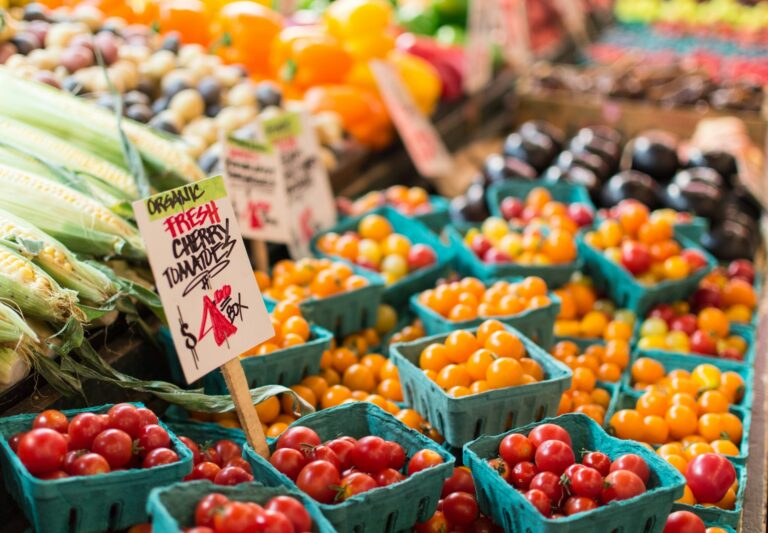
Tomatoes are the most productive vegetable you can grow relative to space. A single indeterminate tomato plant (varieties like Cherokee Purple, Brandywine, or any cherry tomato) produces 10–20 pounds of fruit in a season with basic care. In a container, on a trellis, in a raised bed, or in-ground—tomatoes work in almost every format.
Tomato Growing Basics for Beginners
- Start indoors: 6–8 weeks before your last frost date (find yours at The Old Farmer’s Almanac)
- Transplant when: Nighttime temperatures consistently stay above 50°F
- Spacing: 18–24 inches apart for most varieties; stake or cage all indeterminate varieties
- Water: Deep, infrequent watering (1–2 inches per week) reduces disease
- Key pest: Tomato hornworm—hand-pick or use Bt (Bacillus thuringiensis) spray
Preserve your tomato surplus by canning crushed tomatoes, making tomato sauce, or freezing whole. Frozen tomatoes (drop them in a bag whole) are usable all winter in cooked dishes. A 20-pound tomato surplus canned in quart jars gives you 8–10 jars of crushed tomatoes—roughly a year’s worth of pasta sauce for a family of four.
2. Zucchini: The Plant That Feeds You Whether You Want It To or Not
Zucchini is famously, almost comically productive. Two to three plants can produce 30–60 pounds of squash in a summer. This isn’t a vegetable you need to worry about failing—you need to worry about giving it away. Every homestead garden should include at least one zucchini plant per household member who likes squash.
Direct seed zucchini after your last frost date, plant two seeds per hill, and thin to one plant per spot once they’re 3 inches tall. Harvest at 6–8 inches long for best flavor—once they go to baseball-bat size, the texture and flavor decline. Zucchini can be dehydrated into chips, shredded and frozen for use in baked goods all winter, or fermented.
3. Green Beans: High Yield, Small Space, Easy Preservation
Bush beans (varieties like Provider, Contender, or Blue Lake 274) are among the most beginner-friendly crops you can grow. Direct seed them in full sun after your last frost, water consistently, and harvest in about 50–60 days. A 10-foot row of bush beans produces 5–8 pounds of beans per harvest, and beans can be harvested 2–3 times per plant before the season ends.
Green beans preserve exceptionally well by pressure canning—a 21-quart pressure canner ($80–120) lets you can green beans safely. Quart jars of canned green beans keep 1–2 years on the shelf. You can also blanch and freeze them, or ferment them (also called “dilly beans” when made with garlic and dill).
4. Lettuce: Ready Fast, Grows Everywhere
Lettuce is ready to harvest in 30–45 days, making it the fastest-producing salad green in the garden. It tolerates partial shade (unlike most vegetables), grows in containers, raised beds, or directly in the ground, and can be succession planted every two weeks for a continuous harvest. Use the “cut and come again” method—harvest outer leaves while leaving the center to keep producing.
Heat causes lettuce to bolt (go to seed and turn bitter). Plant it in early spring and fall to avoid your hottest months. Loose-leaf varieties like Black Seeded Simpson, Buttercrunch, and Red Sails are the most forgiving for beginners.
5. Radishes: The 25-Day Garden Win
No garden crop gives you a confidence boost faster than radishes. Varieties like Cherry Belle or French Breakfast mature in 22–28 days from seed. Direct seed in early spring or fall, thin to 2 inches apart, and harvest before they split or turn pithy. A short row of radishes can be planted, grown, and harvested multiple times per season.
Radishes also double as a companion plant—interplanting them with slower crops like carrots or beets marks the row while repelling pests. Their greens are edible (stir-fry them) and their seeds can be saved for next year after a few plants are allowed to flower.
6. Kale: The Cut-and-Come-Again Powerhouse
Kale is one of the most nutritious crops you can grow, and it’s nearly indestructible. It tolerates light frost—actually improving in flavor after a cold snap—which extends your harvest season well into fall and sometimes through winter in mild climates. Varieties like Lacinato (also called Dinosaur or Tuscan kale) and Red Russian are particularly hardy and productive.
Harvest the bottom outer leaves first, leaving the growing center intact. One kale plant kept this way provides harvests for months. Kale can be dehydrated into chips, blanched and frozen, or used fresh. A 4-foot row of kale plants can supply a family with greens for an entire season.
7. Potatoes: Calorie-Dense and Easy to Store
Potatoes are the most important calorie crop for a homestead garden. They’re starchy, filling, and store for months in a cool, dark root cellar or basement. One pound of seed potatoes planted yields roughly 10 pounds of harvested potatoes. A 10×10-foot plot planted in potatoes can produce 50–100 pounds—a meaningful contribution to your family’s food supply.
Beginner Potato Growing Guide
- Plant: Certified seed potatoes (not grocery store potatoes) cut into 1-2 oz pieces with an “eye” each
- Timing: 2–4 weeks before last frost; potatoes tolerate light frost
- Spacing: 12 inches apart in rows 2–3 feet apart
- Hilling: Mound soil up around stems as they grow to increase yield and prevent greening
- Harvest: After tops die back naturally—cure at room temperature for 1–2 weeks before storage
- Storage: 38–40°F with high humidity; a root cellar, cool basement, or insulated garage
8. Winter Squash: Grows Itself, Feeds You All Winter
Butternut squash, acorn squash, Hubbard, and delicata are among the most calorie-dense crops a beginner can grow, and they store for 3–6 months without refrigeration. The vines spread aggressively—each plant needs 6–10 square feet of space—but the yields are enormous. A single butternut squash plant can produce 10–15 squash in a season.
Direct seed after your last frost in full sun. Let them grow without much intervention—winter squash is drought-tolerant and largely pest-resistant. Harvest when the rind is hard enough that you can’t dent it with your fingernail and the stem begins to dry out. Cure in a warm room for two weeks before storing in a cool, dry place.
Your First-Season Planting Plan
For a first-season homestead garden that actually produces meaningful food, here’s a simple starting plan for a 4×8 raised bed plus containers:
- Raised bed (4×8): Tomatoes (2 plants with cages), green beans (8-foot row), lettuce (succession planted in corners)
- Containers: Cherry tomatoes (1 per 5-gallon bucket), herbs (basil, chives, parsley)
- In-ground (if available): Zucchini (2 plants), potatoes (one 4×4 section), winter squash (1–2 plants)
- Quick early crops: Radishes and lettuce seeded 4–6 weeks before last frost
Related Reading
Frequently Asked Questions About Growing Vegetables for Beginners
Q: What vegetables are easiest to grow for beginners?
The easiest vegetables for beginner homesteaders are tomatoes, zucchini, green beans, lettuce, radishes, kale, potatoes, and winter squash. These crops are forgiving of imperfect conditions, produce heavily, and have multiple preservation options. Start with two or three in your first season rather than trying to grow everything at once.
Q: How much garden space do I need to grow meaningful food?
A 4×8 raised bed (32 square feet) can produce a significant portion of a family’s summer salad and tomato needs. To grow meaningful caloric food—potatoes, squash, beans—you need at least 400–600 square feet of garden space. A quarter-acre garden intensively planted can supply 50–75% of a family of four’s vegetable needs for the year.
Q: Do I need to start seeds indoors or can I direct sow?
Tomatoes, peppers, and eggplant benefit from indoor seed starting 6–8 weeks before your last frost date. Beans, squash, radishes, lettuce, and potatoes are all direct-sown (planted straight into the ground) after or just before your last frost. Indoor starting extends your growing season; direct sowing is simpler for beginners.
Q: How do I save seeds from my garden for next year?
Let one or two healthy plants of each variety go to full maturity without harvesting—tomatoes should be left until overripe, beans allowed to dry on the vine, squash allowed to harden fully. Remove seeds, rinse and dry completely (no moisture), and store in paper envelopes or glass jars in a cool, dark place. Saved seeds from open-pollinated or heirloom varieties will grow true to type the next year.
Pick Two, Grow Them Well, Repeat Next Year
The best vegetable garden for a beginner homesteader is a small, well-cared-for one—not an ambitious sprawl that overwhelms you by July. Start with two or three of these easy vegetables for beginner homesteaders, give them what they need, and learn what works in your specific soil and climate. That knowledge compounds year over year into a truly productive homestead garden.
For the complete homestead startup guide—including food preservation basics and planning your first year—visit our Start Here guide at thehomesteadmovement.com/start-here/.
Start Your Homestead — Even From an Apartment
Container gardening, water storage, understanding land, raising your first animals. Practical steps you can take this month, wherever you live.