Off-Grid Electricity Options for Your Homestead: What Actually Works
Going off-grid for electricity is one of the most defining decisions a homesteader makes. It’s also one of the most misunderstood. Too many people approach it with a vague plan to “get some solar panels” without understanding what their actual power needs are, what different systems cost, and why most serious off-grid homesteads run multiple generation sources rather than relying on one.
This guide covers every practical off-grid electricity option available to homesteaders — what each one does well, what it doesn’t, and how to build a system that keeps the lights on year-round in the real conditions of your specific property.
Start Here: Know Your Actual Power Needs
Before choosing any electricity system, you need to understand your load — how much power you actually use and when. This is the step most people skip, and skipping it leads to undersized systems that fail when it matters most or dramatically oversized systems that cost three times what was necessary.
How to Calculate Your Power Needs
- List every electrical device you plan to run and its wattage
- Estimate how many hours per day each device runs
- Multiply wattage × hours to get watt-hours (Wh) per day
- Add a 20–25% buffer for inefficiency, losses, and unexpected usage
A typical American home uses 30–40 kWh per day. An energy-conscious off-grid homestead can function well on 3–10 kWh per day — the difference is almost entirely in heating, cooling, and cooking choices. Electric resistance heating and standard air conditioning are power-hungry and generally not practical off-grid. Heat pumps, wood stoves, and passive cooling strategies change the math dramatically.
Solar Power: The Most Common Off-Grid Choice
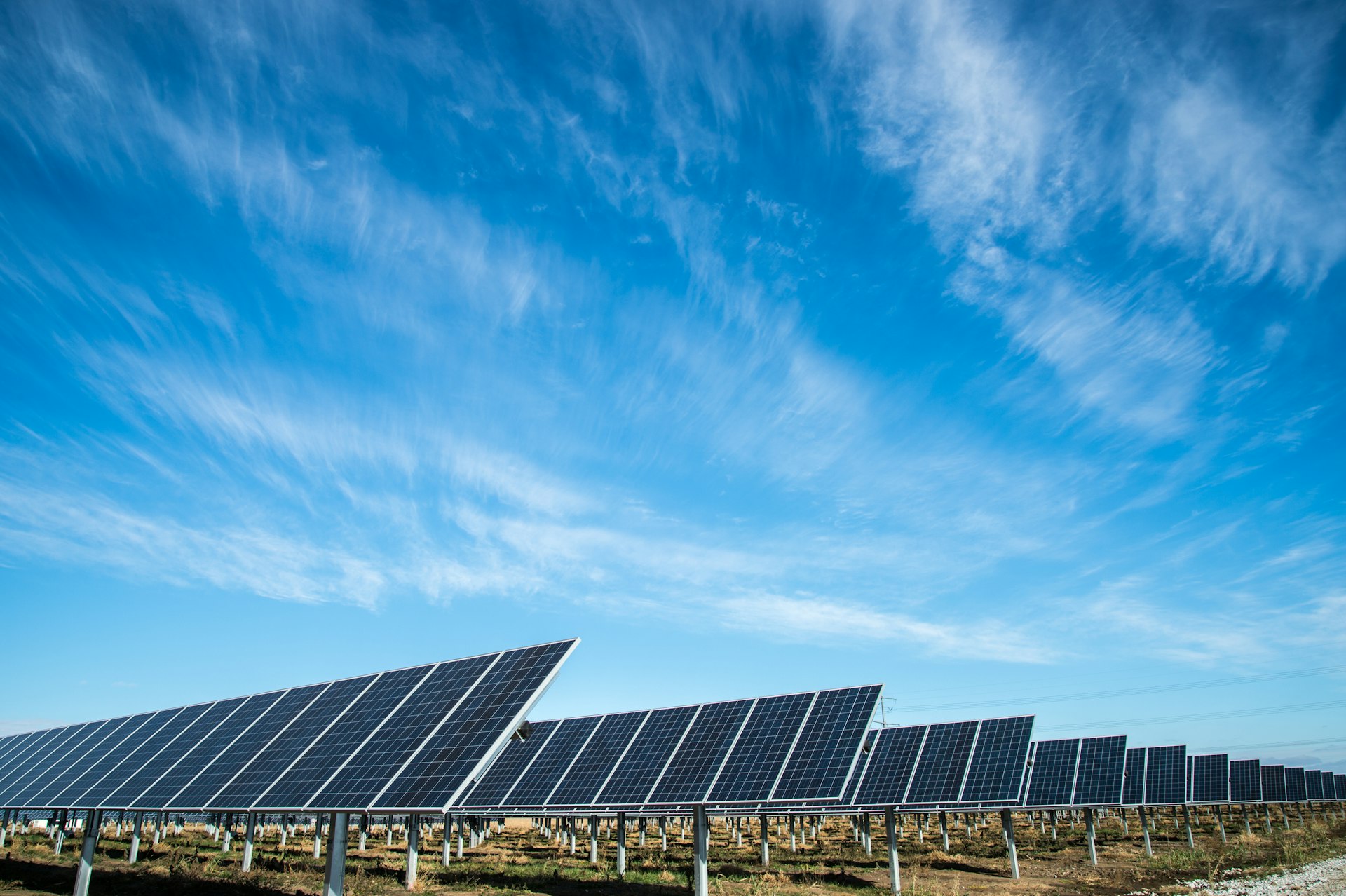
Solar photovoltaic (PV) systems are the backbone of most off-grid homestead electricity setups. Solar panel prices have dropped more than 90% over the past two decades, making systems that were prohibitively expensive ten years ago genuinely accessible today.
How a Solar System Works
- Solar panels: Convert sunlight into DC (direct current) electricity
- Charge controller: Regulates the charge going into batteries to prevent overcharging
- Battery bank: Stores energy generated during the day for use at night or in cloudy weather
- Inverter: Converts DC battery power to AC (alternating current) that standard appliances use
- Backup generator (optional but common): Runs during extended cloudy periods to charge batteries
Solar System Costs for Homesteads
A functional off-grid solar system for a modest homestead (covering lighting, small appliances, phone charging, refrigeration, and a well pump) typically runs $10,000–$30,000 installed. A larger system covering a full household with more comfort appliances runs $25,000–$70,000. DIY installation can reduce costs significantly if you’ve the skills and local codes allow it.
The federal solar tax credit (currently 30% through 2032) applies to off-grid solar systems, which can reduce the after-tax cost substantially. For detailed cost breakdowns by system size, see our guide to off-grid solar system costs for homesteads.
Solar System Advantages
- No fuel costs after installation — sunlight is free
- Quiet operation — solar panels produce no noise
- Low maintenance once installed — panels last 25+ years with minimal upkeep
- Scalable — you can start small and add panels and batteries as your budget and needs grow
- Works in most climates — even overcast regions generate meaningful solar energy
Solar System Limitations
- Doesn’t generate power at night — requires battery storage
- Reduced output during overcast weather and winter months at northern latitudes
- Large battery banks are expensive (LiFePO4 lithium-iron-phosphate batteries are the current standard and cost $5,000–$20,000+ for a full home system)
- Requires good solar exposure — heavy tree cover or shading significantly reduces output
Wind Power: A Complement to Solar
Wind turbines generate electricity from moving air. Unlike solar, wind turbines produce power around the clock — including at night and during cloudy weather — which makes them an excellent complement to solar panels on properties with sufficient wind.
When Wind Power Makes Sense
Wind power is worth serious consideration if your average wind speed is consistently above 10–12 mph (consult NOAA wind data or your state’s wind resource maps for site-specific data). Below that threshold, turbines produce insufficient power to justify the cost and maintenance.
- Small residential turbines (400W–2kW): Cost $1,000–$5,000 and work well as a solar supplement on windy properties
- Mid-size turbines (3kW–10kW): Cost $10,000–$30,000 installed; can cover a significant portion of a homestead’s power needs in good wind areas
- Tower requirements: Turbines need to be mounted high enough to clear obstacles — typically 80–120 feet — which adds installation cost and complexity
Wind Power Advantages and Limitations
- Advantages: Generates power at night and in cloudy weather; complements solar well; long lifespan (20+ years for quality turbines)
- Limitations: Requires consistent wind; higher maintenance than solar (moving parts wear out); zoning restrictions in some areas; can be noisy; not effective in low-wind areas
Micro-Hydro Power: The Best System When you’ve It
If you’ve a stream or creek on your property with sufficient flow and elevation drop, micro-hydro is arguably the best off-grid electricity option available. A flowing stream generates power continuously — 24 hours a day, every day, regardless of cloud cover or wind conditions.
What You Need for Micro-Hydro
- A stream with consistent year-round flow (not seasonal)
- Sufficient head (elevation drop) — typically 10+ feet, more is better
- Legal water rights for the stream on your property (critical — verify before buying land with this in mind)
- System costs range from $3,000 for a small DIY setup to $20,000+ for a fully installed professional system

A well-designed micro-hydro system can power a full homestead from a surprisingly small stream if the head (pressure) is sufficient. The continuous generation means you may need very little battery storage compared to solar or wind.
Generators: The Practical Backup Layer
Generators are rarely a practical primary power source for a long-term homestead — fuel costs are high, maintenance is ongoing, and they’re noisy. But as a backup layer for a solar or wind system, a generator is nearly essential.
Generator Types for Homesteads
- Propane generators: Clean-burning, long shelf life of stored fuel, quiet (inverter models), and compatible with the propane you may already use for heating and cooking. The most homestead-friendly option.
- Gas generators: Lowest upfront cost; gasoline degrades in storage (use fuel stabilizer), which limits long-term storage viability
- Diesel generators: Efficient and long-lasting; diesel stores better than gasoline; good for heavy loads; higher upfront cost
- Inverter generators: Quieter, more fuel-efficient at partial load, and safe for sensitive electronics — worth the premium for most homestead applications
A generator sized to charge your battery bank during extended cloudy periods (rather than to power your entire homestead directly) uses significantly less fuel and extends its own lifespan. It runs for a few hours, charges the batteries, then shuts off — far more efficient than running continuously.
Battery Storage: The Heart of Any Off-Grid System
Regardless of how you generate electricity, battery storage is what makes off-grid living practical. Your battery bank holds the energy you generate during peak production periods and releases it when generation is low or zero.
Battery Types Compared
- LiFePO4 (Lithium Iron Phosphate): The current best option for most homesteads. Longer lifespan (3,000–5,000+ charge cycles), deeper discharge capability, lighter weight, and no maintenance required. Higher upfront cost but lower lifetime cost per kilowatt-hour.
- Flooded lead-acid (FLA): Significantly cheaper upfront. Requires regular maintenance (checking water levels, equalizing charges) and has a shorter lifespan (500–1,500 cycles). Still a viable option for budget-constrained setups.
- AGM lead-acid: Maintenance-free lead-acid alternative. Better lifespan than FLA, less than lithium. Good middle-ground option.
Reducing Load: The Most Cost-Effective “Power Source”
Every kilowatt-hour of electricity you don’t use is a kilowatt-hour you don’t need to generate, store, or pay for. Energy efficiency is the cheapest “power source” available, and for off-grid homesteaders, it’s especially important because your system has a fixed generation capacity.
- LED lighting uses 75–80% less electricity than incandescent bulbs
- Energy Star-rated refrigerators use half the power of older models — critical since refrigeration is one of the biggest loads on a homestead
- A propane water heater eliminates what would otherwise be a significant electrical load
- Chest freezers are dramatically more efficient than upright models (cold air doesn’t fall out when you open them)
- Passive solar home design, good insulation, and a wood stove eliminate heating as an electrical load entirely
Building a Layered Off-Grid Electricity System
Most off-grid homesteads that work well year-round use a combination of generation sources. Here’s a practical framework:
- Primary generation: Solar panels sized to cover typical daily usage plus battery charging
- Battery bank: Sized for 2–4 days of autonomy at reduced consumption
- Backup generation: Propane generator to charge batteries during extended cloudy periods
- Additional source (if available): Wind turbine or micro-hydro to complement solar and reduce generator run time
Key Takeaways on Homestead Electricity Options
- Calculate your actual power needs before designing any system — this is the most important first step
- Solar is the most practical primary off-grid generation source for most homesteads
- Wind complements solar well on windy properties but isn’t cost-effective in low-wind areas
- Micro-hydro is the best option available when you’ve the right water resource
- A backup generator is nearly essential for any serious off-grid setup — run it to charge batteries, not as a primary source
- Energy efficiency is the cheapest “generation source” — reduce your load before expanding your system
- LiFePO4 batteries are the current best option for most homesteads despite higher upfront cost
Your electricity system is a long-term infrastructure investment. Getting it right requires honest assessment of your property, your actual power needs, and your budget — not following someone else’s YouTube setup that was built for different conditions. Plan carefully, start with what you can afford and manage, and scale up as your skills and resources grow.
Get 72 Hours Ahead of the Next Outage
The exact food, water, power, and comms setup that keeps your family running when the grid doesn't. Free PDF — built for people who act before they have to.