Backyard Chicken Coops in the City: What You Need to Know Before You Start

Backyard Chicken Coops in the City: What You Need to Know Before You Start
Most people assume backyard chickens are strictly a rural thing — something you do after you’ve bought land, built a barn, and moved far from the nearest HOA. That assumption is wrong. Millions of people across the US keep chickens in cities and suburbs, collecting fresh eggs from flocks of four to six hens in a standard backyard. Before you write off the idea, it’s worth understanding exactly what urban chicken-keeping involves, what local laws typically allow, and how to set up a backyard chicken coop that works in a city lot.
This guide walks you through everything you need to know to get started with urban backyard chickens — from checking local ordinances to choosing the right coop setup for a smaller space.
First Things First: Check Your Local Laws
Before you buy a single chick or order a coop kit, spend an hour researching your city’s ordinances. This step is non-negotiable. Most cities that allow backyard chickens have specific rules around flock size, coop placement, and whether roosters are permitted. Skipping this step can mean fines, forced removal of your flock, or neighbor disputes that sour the whole experience.
Here’s what to look for:
- Flock size limits: Many cities allow between 3 and 6 laying hens. Some permit up to 10. Roosters are typically banned within city limits because of noise.
- Setback requirements: Your coop may need to be positioned 25 to 100 feet from property lines or neighboring homes, depending on your municipality.
- Permit requirements: Some cities require a permit to build or install a coop, just as they would for any outbuilding.
- HOA rules: If you live in an HOA community, check the CC&Rs separately from city code. HOAs can be more restrictive than municipal law.
Your city government’s website is the best starting point. Search for “[your city name] backyard chicken ordinance” or call the planning or zoning department directly. Getting this right upfront keeps the whole project running smoothly.
Talking to Your Neighbors
Even if chickens are perfectly legal in your area, being a considerate neighbor makes a difference. Hens are quieter than most people expect — they make a moderate clucking sound after laying an egg, but nothing approaching the volume of a dog barking. That said, giving neighbors a heads-up before your flock arrives prevents surprises and builds goodwill.
A few things neighbors typically worry about: smell, noise, and rodents. All of these are manageable with proper coop maintenance, and telling neighbors what steps you’re taking can go a long way. Some people even win over skeptical neighbors with a steady supply of fresh eggs.
How to Choose the Right Backyard Chicken Coop
The coop is the foundation of your urban flock. A well-designed coop keeps your chickens safe from predators, protected from weather, and comfortable enough to lay consistently. Here’s what to think through:
Size Requirements
The standard guideline is 3 to 4 square feet of coop space per bird, plus 10 square feet of outdoor run space per bird. For a flock of four hens, that means a coop of at least 12 to 16 square feet with a 40-square-foot run minimum. Bigger is always better — cramped conditions lead to stress, pecking, and lower egg production.
Prefab vs. DIY
For city homesteaders, prefabricated coops are often the practical choice. They’re faster to set up (typically a few hours with a screwdriver), require no carpentry skills, and are designed to be compact. Tractor Supply, Amazon, and specialty poultry suppliers all carry prefab options. The tradeoff: many entry-level prefab coops are undersized and built from thin wood that won’t last more than a few years.
If you’re handy, a DIY coop built from quality lumber will outlast a cheap prefab and can be sized precisely for your space. Free plans are widely available online, and the investment in materials pays off in durability.
Key Features to Look For
- Secure latches: Raccoons, foxes, and neighborhood dogs are smarter than most people expect. Use carabiner clips or padlock latches on coop doors.
- Nesting boxes: Plan for one nesting box per 3-4 hens. A 12″ x 12″ box is standard.
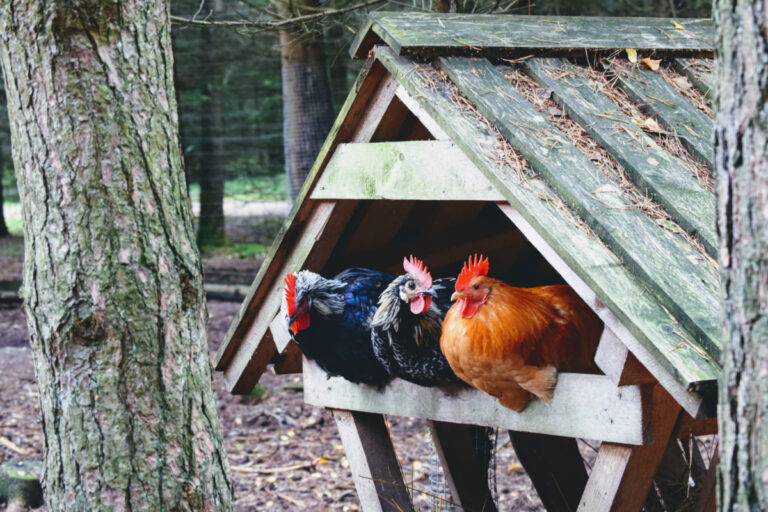
- Roosting bars: Chickens sleep on elevated roosts. Allow 10 to 12 inches of roost space per bird.
- Ventilation: Good airflow prevents respiratory problems. Look for vents near the roofline that can be opened or closed seasonally.
- Easy cleaning access: A slide-out tray under the roost or a large cleanout door makes weekly maintenance much less of a chore.
Predator-Proofing a City Coop
Urban areas have predators — more than most chicken keepers expect. Raccoons are the most common threat, but foxes, opossums, hawks, and even neighborhood dogs will take advantage of a poorly secured coop. A few rules for urban predator-proofing:
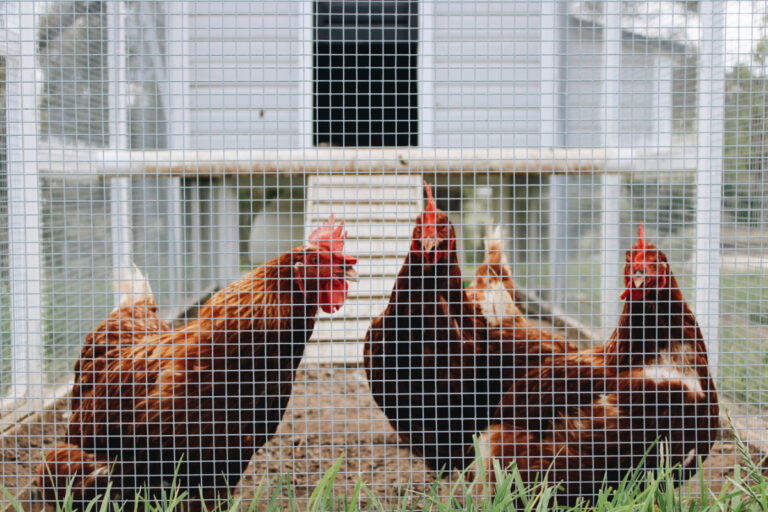
- Use hardware cloth, not chicken wire: Chicken wire has large hexagonal gaps that raccoons can reach through. Hardware cloth (welded wire with 1/2″ x 1″ openings) is significantly more secure.
- Bury the run perimeter: Dig hardware cloth at least 12 inches into the ground around the run’s perimeter, bending it outward at a 90-degree angle. This prevents digging predators from tunneling underneath.
- Lock the coop at dusk: Chickens go inside at nightfall on their own. Lock them in each evening and open the coop each morning. Automatic coop door openers (solar-powered options are widely available) handle this task if you travel or have irregular schedules.
- Cover the run: In urban environments with hawks and owls, a covered run prevents aerial predator attacks.

Feeding and Watering City Chickens
Chickens aren’t complicated eaters, but they do have consistent needs. Layer pellets or crumbles (16% protein content) should be the foundation of their diet. Free-choice access to calcium — typically crushed oyster shell offered in a separate dish — keeps eggshells strong.
Kitchen scraps are a great supplement: vegetable trimmings, fruit, cooked grains, and plain yogurt are all fine. Avoid avocado, chocolate, onions, raw dried beans, and anything moldy. Scratch grains are a treat, not a staple — they’re high in carbohydrates and low in the protein that egg-layers need.
Fresh water is non-negotiable. Chickens drink more than you’d expect — roughly a pint per day per bird in warm weather, more during summer heat. In freezing climates, a heated waterer prevents the water from freezing overnight.
What to Expect from Urban Egg Production
A healthy laying hen in her first two years typically produces 5 to 6 eggs per week during the long days of spring and summer. Production drops during winter (shorter daylight hours trigger a natural slowdown) and during the annual fall molt when hens regrow their feathers. A flock of four hens will produce roughly 2 to 4 dozen eggs per week at peak, which is plenty for most families with some left over for neighbors or coworkers.
Egg production declines after age 2 to 3, though hens can live 8 to 10 years. Many backyard keepers plan to add younger hens every few years to keep the flock’s production up.
Choosing Chicken Breeds for City Coops
Breed selection matters more in urban settings. You want calm, quiet, cold-hardy hens that won’t disturb the neighborhood. Breeds known to perform well in backyard and urban settings include:
- Plymouth Rock (Barred Rock): Docile, consistent layer of brown eggs, handles confinement well
- Rhode Island Red: Excellent egg production, hardy in most climates
- Australorp: Calm temperament, prolific egg layer, handles heat and cold
- Buff Orpington: Very calm and friendly, cold-hardy, good for families with kids
- Easter Egger: Lays blue or green eggs, curious and friendly personality
Avoid flighty or noisy breeds in close-quarters urban settings. Leghorns, for example, are excellent layers but can be skittish and loud compared to the breeds listed above.
Managing Waste and Controlling Odor
Chicken waste management is the make-or-break issue for urban coops. A dirty, ammonia-heavy coop is unpleasant for the chickens, attracts pests, and creates exactly the neighbor-complaint scenario you want to avoid. The good news: with a solid routine, coop odor is minimal.
Most urban chicken keepers use one of two systems:
- Deep litter method: Build up 4 to 6 inches of pine shavings or straw on the coop floor. Add fresh bedding on top as needed. Turn and refresh every week or two. Full cleanout every few months. The composting action reduces odor.
- Poop board system: Install a board or tray under the roost to catch overnight droppings (where 80% of chicken waste is deposited). Scrape the board daily or every couple of days. This keeps the coop cleaner with minimal effort.
Chicken manure is excellent for composting. Added to a compost pile, it breaks down into rich garden fertilizer — one of the real practical benefits of keeping backyard chickens in a homestead garden context.
Is Urban Chicken-Keeping Worth It?
The honest answer: it depends on what you’re after. If the math is purely financial, fresh backyard eggs often cost more per dozen than store-bought eggs once you factor in feed, coop setup, and bedding. What city chicken keepers tend to value is something different — knowing exactly where their food comes from, the connection to a more self-sufficient lifestyle, and the genuine satisfaction of collecting eggs from animals they raised.
For people who dream of a fuller homestead life but aren’t yet ready or able to make the move to rural land, a small backyard flock is an excellent first step. It builds real skills, real routines, and real confidence in your ability to raise animals — and it works in a standard city backyard.
Ready to take the next step? Read our complete guide: How to Build a Chicken Coop for Beginners (Step-by-Step) for full construction details and layout plans. And if you’re just getting started with the homesteading journey, our Complete Beginner’s Guide to Homesteading covers all the foundational steps.
Turn Your Homestead Into a Paycheck
Twelve income streams working homesteaders use to cover the mortgage and then some. Free PDF — real numbers, not pipe dreams.