What Goes Into a Survivalist Bug Out Bag: The Complete Packing List
What Goes Into a Survivalist Bug Out Bag: The Complete Packing List
A bug out bag is a self-contained emergency kit designed to sustain you for 72 hours—and potentially longer—if you need to leave your home quickly and without access to normal supply chains. The concept is simple. The execution requires more thought than most people give it.

A functional bug out bag isn’t a collection of cool survival gear. It’s a carefully considered system built around your specific needs, your likely scenarios, and the weight you can actually carry. This guide covers each essential category of gear, what to prioritize within it, and how to think about trade-offs when weight and space are limited.
The Six Survival Priorities
Before getting into specific gear, it’s worth grounding the whole list in the basic hierarchy of survival priorities. In any survival situation, needs rank roughly in this order:
- Safety and security — protection from immediate threats, human and environmental
- Shelter and temperature regulation — exposure kills faster than hunger or thirst
- Water and hydration — 3 days without water is the practical limit
- Fire — for warmth, water purification, food preparation, signaling, and morale
- Food and nutrition — the body can go weeks without food; it’s important but not the first priority
- Navigation and communication — knowing where you’re and being able to reach help
Your bug out bag should address each of these priorities. If you’re short on space or weight, cut from the lower priorities before cutting from the higher ones. A bag packed with food but without reliable water purification is badly organized.
Water and Hydration
Water is the most critical and the heaviest survival item. You need both immediate supply and the means to produce more.
Carry
- 1–2 liters of water in durable bottles (one metal, one soft). A stainless steel single-wall bottle doubles as a boiling vessel—don’t bring only soft-sided containers.
- Electrolyte packets or tabs to manage hydration during sustained exertion
Water Treatment
- Primary filter: A hollow-fiber filter like the Sawyer Squeeze or Sawyer Mini. Compact, lightweight, effective against bacteria and protozoa. No moving parts to fail.
- Backup purification: Water purification tablets (iodine or chlorine dioxide). Cheap, lightweight, and work when your filter is frozen or damaged.
- Backup boiling: Your metal bottle handles this if both primary methods fail.
Three-layer water treatment (filter, chemical, boil) is redundant and appropriate. Water failure is game-over—don’t skimp on backup systems here.
Shelter and Temperature Regulation
Exposure to rain, wind, and cold—or heat—can kill faster than any other survival threat. Your shelter system needs to address overnight conditions in your likely operating environment.
- Tarp or ultralight tent: A silnylon or Dyneema tarp (8×10 feet) weighs 12–20 ounces and provides flexible, packable shelter. A ultralight one-person tent adds weight but significantly more protection in bad weather. Choose based on your climate and likely scenarios.
- Emergency bivy or sleeping bag: A space blanket bivy sack is the minimum—it weighs ounces and reflects body heat in cold conditions. A lightweight sleeping bag rated for your coldest likely conditions is significantly better for extended use.
- Insulating layer: A packable down or synthetic puffy jacket provides critical warmth when resting and adds almost nothing to pack size or weight. Non-negotiable for cold-climate applications.
- Rain gear: A lightweight waterproof jacket. Staying dry is central to temperature regulation—wet clothing loses most of its insulating value.
- Paracord: 50–100 feet of 550 paracord has dozens of shelter and general applications and weighs almost nothing. Bring more than you think you need.
Fire Starting
Fire is a force multiplier: it purifies water, cooks food, provides warmth, dries wet gear, improves morale, and can signal for rescue. Carry at least three fire-starting methods.
- Lighter: A standard BIC lighter is reliable, cheap, and works for most conditions. Carry at least two.
- Waterproof matches: A backup to the lighter, stored in a waterproof case.
- Ferro rod: A ferrocerium rod produces sparks reliably even when wet and has thousands of strikes of useful life. Practice using it before you need it.
- Tinder: Commercial fire-starting tinder (jute twine, wax-impregnated cotton) makes starting a fire in difficult conditions much easier. Carry a small amount to supplement what you can gather in the field.
Food and Nutrition
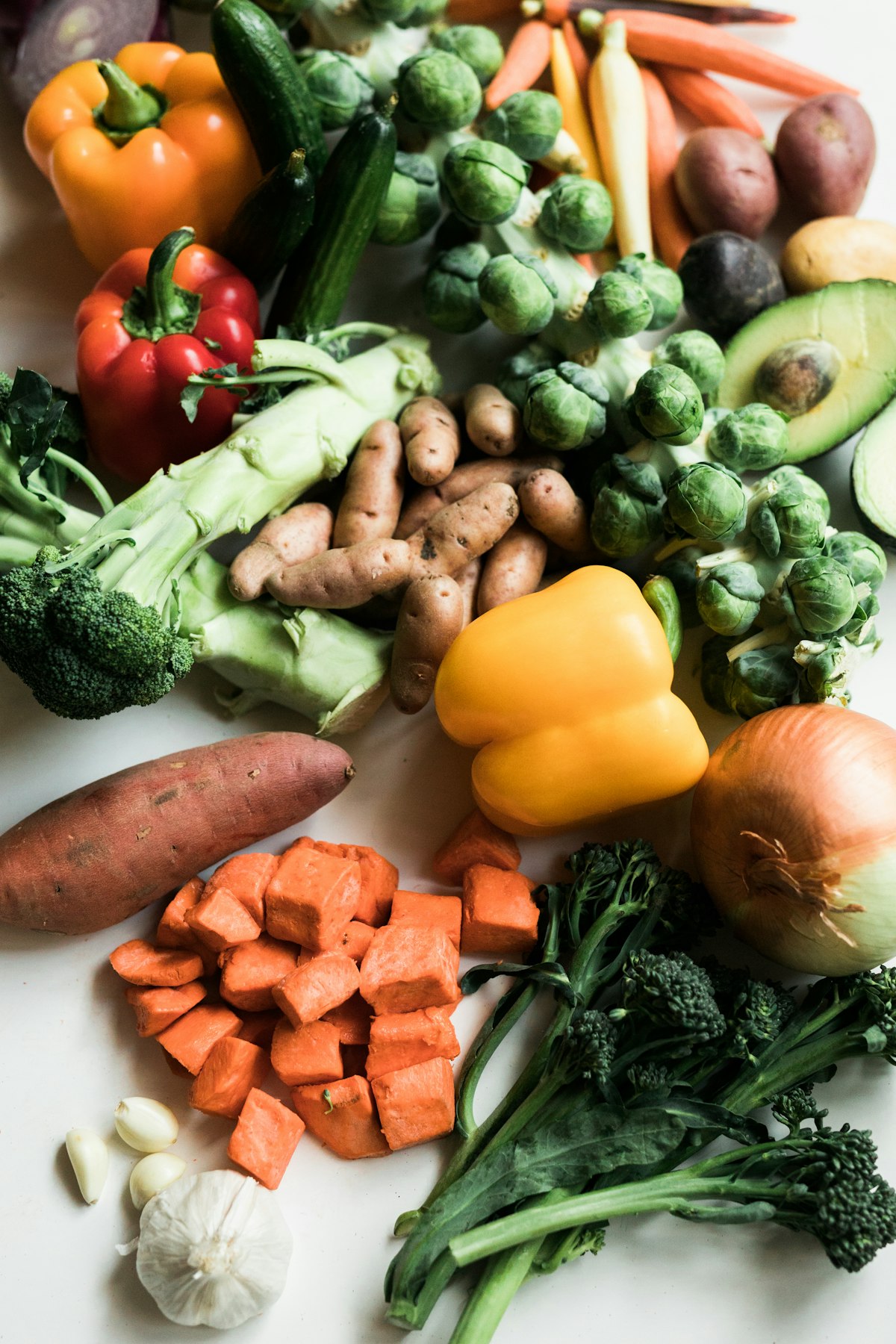
For a 72-hour bag, you’re looking at calorie-dense, lightweight food that requires minimal or no cooking. The goal is energy and palatability without excessive weight.
- Energy bars and calorie-dense snacks: Cliff bars, ProBars, RXBAR, or similar high-calorie bars. Aim for 1,800–2,500 calories per day minimum.
- Nuts and dried fruit: Calorie-dense, high in fat and protein, no preparation required.
- Freeze-dried or dehydrated meals: One or two proper meals per day significantly improves morale and nutrition. Backpacking meals (Mountain House, Backpacker’s Pantry) are lightweight and require only boiling water.
- Cooking vessel: A titanium or stainless steel cup or pot for boiling water and heating meals. Should nest inside your larger water bottle for space efficiency.
- Utensils: A lightweight spork. Consider a folding spork with a longer handle for accessing the bottom of freeze-dried meal pouches.
First Aid
A first aid kit for a bug out bag should go beyond a standard store-bought kit. You’re planning for scenarios where professional medical help may not be available.
- Trauma items: Tourniquet (CAT or SOFTT-W), Israeli bandage or compressed gauze, chest seal (if you carry a firearm or might be in dangerous situations), nitrile gloves
- Wound care: Assorted adhesive bandages, butterfly closures, medical tape, sterile gauze, antiseptic wipes, antibiotic ointment
- Medications: Ibuprofen, acetaminophen, antihistamine (Benadryl), Imodium (anti-diarrheal—critical in the field), any personal prescription medications with at least a 7-day supply
- Blister care: Moleskin or blister bandages. Foot blisters are a real risk on extended foot travel and can turn a manageable situation unmanageable quickly.
- Knowledge: A pocket wilderness first aid reference card is worth carrying, and formal Wilderness First Aid or Stop the Bleed training is worth pursuing before you need it.
Navigation and Communication
GPS is convenient and frequently unreliable. Infrastructure can fail, batteries die, and devices break. Navigation fundamentals don’t depend on batteries.
- Topographic maps: Paper topo maps of your likely operating area, laminated or stored in a waterproof map case. Download and print these in advance.
- Compass: A baseplate compass (Silva or Suunto) for map navigation. Know how to use it with a map before you need to.
- Emergency radio: A hand-crank or battery-powered emergency radio receives NOAA weather alerts and local emergency broadcasts. Critical for situational awareness when normal infrastructure is down.
- FRS/GMRS radio: For group communication when cell service is unavailable. Carry one for each member of your group, set to the same pre-agreed channels.
- Phone and power bank: A charged phone with offline maps downloaded and a quality power bank (20,000 mAh+) to keep it operational for days.
Tools and Equipment
- Knife: A fixed-blade knife of 4–6 inches is more durable and capable than a folding knife for serious field use. A quality multi-tool adds versatility for mechanical tasks, repair, and food preparation.
- Headlamp: Hands-free lighting is critical. Bring a quality LED headlamp with extra batteries or a rechargeable model. A backup small flashlight adds minimal weight.
- Duct tape: A few feet wrapped around a water bottle rather than carrying the whole roll. Repairs gear, improvises shelter components, treats blisters, and dozens of other uses.
- Safety pins and zip ties: Small, lightweight, remarkably useful for equipment repairs.
- Gloves: Work gloves protect your hands during movement, shelter-building, and physical tasks. A pair of fleece gloves handles the warmth requirement.
Personal Documents and Financial Resources
- Copies of critical documents: ID, passport, insurance cards, medical records, property documents—stored in a waterproof pouch
- Small amount of cash in small bills: electronic payment infrastructure may be down
- Emergency contact list in written form, not just stored in a phone
Clothing and Hygiene
- One complete change of clothes appropriate for expected conditions: moisture-wicking base layer, mid layer, and rain protection already addressed under shelter
- Extra socks—at least two extra pairs. Foot care is a survival matter.
- Sunscreen, lip balm with SPF, personal medications
- Basic hygiene kit: toothbrush, soap, toilet paper in a waterproof bag
Putting It Together
Build your bag incrementally. Start with the highest priority categories—water, shelter, fire—and fill those out to a functional standard before spending money on food, navigation, or tools. Test your full kit by actually carrying it on a hike before you commit to the packing arrangement. You’ll discover fit issues, weight problems, and gear gaps that no amount of planning reveals without actual use.
Review and refresh your bag every 6 months. Batteries die, food expires, and medications need replacement. A bag that was well-organized and functional a year ago may have degraded without attention.
For complete planning guidance beyond the gear itself, The Complete Bug Out Guide covers routes, group planning, destination selection, and the full tactical picture. For how to pick the actual pack to put all of this in, see our guide on Bug Out Bag vs Go Bag vs INCH Bag—it covers the distinctions between kit types and how to build the right one for your scenario.
Get 72 Hours Ahead of the Next Outage
The exact food, water, power, and comms setup that keeps your family running when the grid doesn't. Free PDF — built for people who act before they have to.