Why Homesteading Is Worth It: Real Benefits Beyond the Romantic Idea
Why Homesteading Is Worth It: Real Benefits Beyond the Romantic Idea
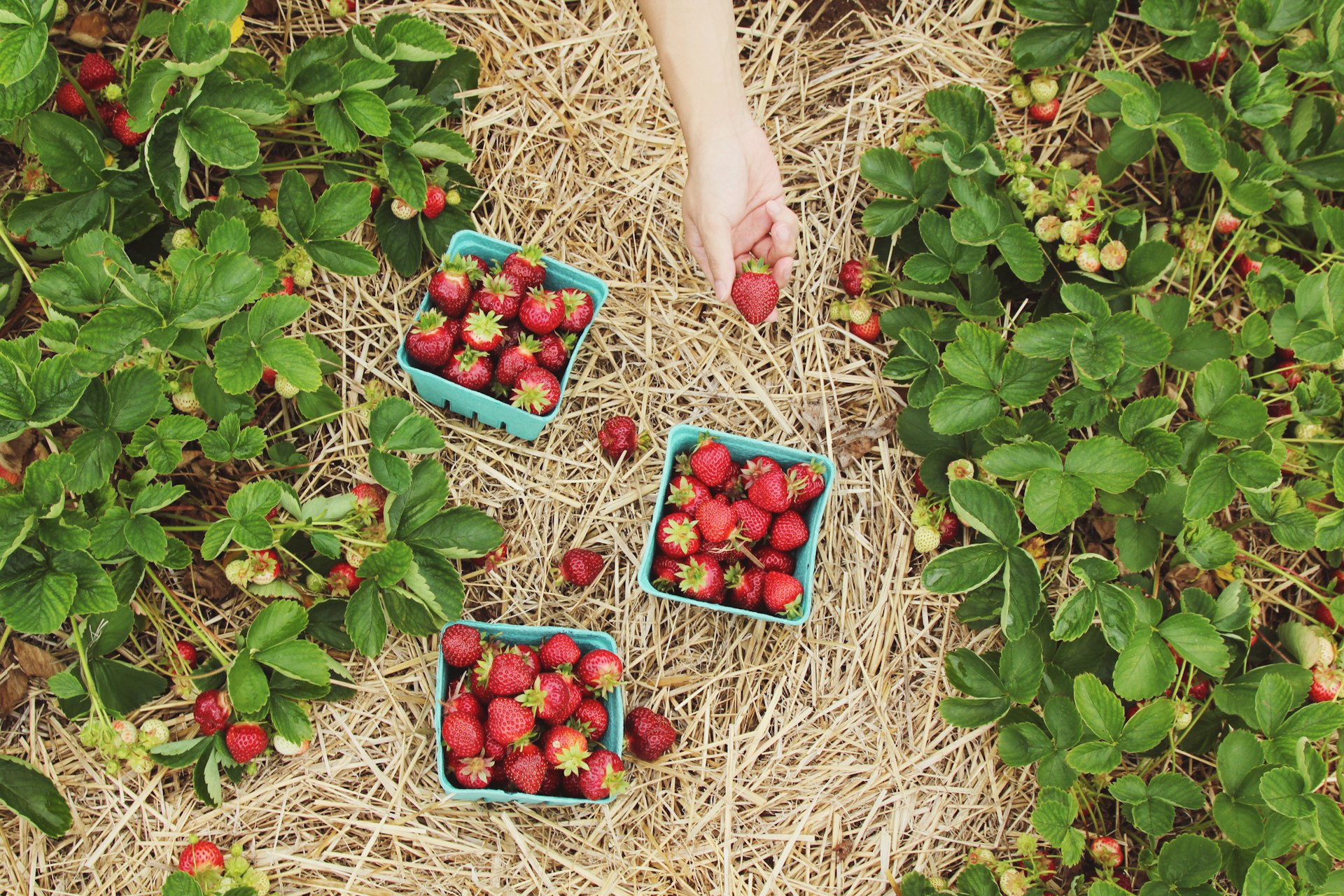
There’s a polished version of homesteading that shows up on Instagram — golden hour photos of overflowing vegetable gardens, perfectly organized pantry shelves, and peaceful mornings with coffee and chickens. That version sells, but it doesn’t tell the whole story. The real reasons homesteading is worth serious consideration are more practical and more durable than aesthetics. If you’re weighing whether to pursue this lifestyle — or deepen an existing commitment to it — here’s an honest look at the genuine benefits you can expect.
Financial Resilience Over Time
Homesteading rarely saves money in the first year or two. Infrastructure costs money. Animals cost money. The learning curve is expensive. But over a longer horizon, the financial picture shifts considerably.
Growing a meaningful portion of your own food reduces grocery bills in ways that compound as your skills and systems improve. A well-managed garden, a small laying flock, a root cellar stocked with preserved produce — each layer adds up. Homesteaders who’ve been at it for five or more years consistently report that their food costs are a fraction of what they’d spend otherwise.
Beyond food, homesteaders tend to develop a general capability for doing their own repairs, building their own structures, and solving problems without paying for services. That practical competence has real dollar value over decades.
Reduced Exposure to Supply Chain Disruptions
The past several years made this point concretely — supply chain fragility is real. Homesteaders who already had food storage, a producing garden, and some degree of energy independence noticed far less disruption during shortages than those who relied entirely on stores. That buffer is a form of financial protection that doesn’t show up in a traditional savings account but functions like insurance.
Better Food Quality
This benefit is harder to quantify but consistently among the most valued by people who homestead. The difference between a tomato picked ripe from your own garden and one shipped green from thousands of miles away isn’t subtle — it’s significant. The same applies to eggs from chickens with access to pasture versus eggs from confined commercial operations, to meat from animals you’ve raised on quality feed, and to vegetables harvested at peak nutrition rather than days or weeks earlier for shipping convenience.
When you control your food production, you also control what goes into it. No pesticide drift from neighboring industrial farms, no guessing at what’s actually in processed food, no reliance on labeling claims you’ve no way to verify.
Physical Health That Comes from Active Work
Homesteading is physically demanding in the best possible way. Gardening, animal care, construction projects, wood splitting, hauling, fence repair — the daily tasks of a working homestead involve sustained physical activity that gym routines rarely replicate. The combination of varied movement, outdoor time, and purposeful physical effort has documented benefits for cardiovascular health, mental health, and overall fitness.
Studies on the relationship between time outdoors and mental health outcomes consistently show positive correlations. Homesteaders tend to spend the majority of their daylight hours outside, which has benefits that are both immediate (stress reduction, improved sleep) and long-term (lower rates of depression and anxiety in people with regular outdoor activity).
Real Skills With Real-World Applications
The skillset that homesteading builds is genuinely transferable and genuinely useful. Food preservation, animal husbandry, basic construction, soil management, water systems, plant propagation — these are capabilities that matter regardless of what happens in the broader economy or society.
There’s also something psychologically valuable about competence. Knowing that you can grow food, preserve it, fix things, and generally handle practical challenges creates a kind of confidence that’s different from professional expertise. It’s grounded in tangible, material reality. Many people who come to homesteading from knowledge-economy careers describe this as one of the most satisfying aspects of the shift.
A Better Relationship with Food and Seasons
When you grow your own food, you become aware of seasons in a way that most modern life doesn’t require. You know when peas come in and when the tomatoes peak and when to put the garden to bed for winter. You start eating more of what’s actually in season because that’s what’s available and fresh.
This reconnection to natural cycles has effects that go beyond nutrition. People who homestead often describe a different relationship with time — one that’s more attuned to natural rhythms and less dominated by the artificial urgencies of modern work and consumption. Whether that matters to you is a personal question, but for many people it turns out to matter quite a lot.
Greater Preparedness for Uncertainty
Homesteading builds resilience by default. When you’ve food storage, a producing garden, water collection systems, and energy independence at various levels, you’re better positioned to handle the unpredictable: job loss, natural disasters, economic disruption, health challenges. The skills and systems that make a homestead function also function as a practical emergency preparedness plan.

This isn’t about fear-based prepping — it’s about the rational observation that a life with more self-sufficiency is more stable than one entirely dependent on complex external systems. A solid homestead emergency preparedness plan is a natural extension of the lifestyle.
Connection and Community
One thing that surprises many people new to homesteading is how social it can be. The homesteading community — both online and local — tends to be generous with knowledge, willing to share resources, and built on the understanding that people working toward similar goals benefit from helping each other. Seed swaps, skill shares, work parties, and informal networks of people who barter goods and labor are all common features of active homesteading communities.
If you’re moving to a rural area, understanding local community dynamics and the unspoken norms of country life matters a lot. Our post on rural neighbor etiquette covers what city and suburban transplants often don’t realize until they’ve already made a mistake or two.
A Sense of Purpose and Meaning
This is admittedly the most subjective benefit, but it comes up constantly in conversations with homesteaders. There’s something about doing work that directly sustains you and your family — that has a clear, tangible result — that many people find deeply satisfying in a way that knowledge work and service economy jobs don’t provide.
Putting food on the table that you grew and preserved yourself. Building something that lasts. Watching seeds you planted turn into a meal. These are simple things in one sense, but they carry a kind of meaning that a lot of people feel is missing from modern life. Homesteading doesn’t solve everything, but it tends to answer that particular hunger fairly well.
Getting Started: How to Begin Capturing These Benefits
You don’t need to wait until you’ve land or a perfect setup to start building toward these benefits. Here’s a practical starting sequence:
- Start with food. A vegetable garden, even a small one, gives you immediate returns on flavor, cost, and skill-building.
- Learn one preservation method. Canning, freezing, or dehydrating — pick one and practice it this season.
- Build your competence library. Books, courses, and local mentors give you the foundation to expand without expensive trial-and-error.
- Get honest about your goals. Are you pursuing financial resilience, food quality, preparedness, lifestyle change, or all of the above? Your answer shapes where to invest first.
- Connect with others. Local homesteading groups, farming networks, and online communities dramatically accelerate your learning curve.
The benefits of homesteading aren’t guaranteed — they require real work and sustained commitment. But for people who go in with clear expectations and genuine motivation, those benefits tend to be significant, lasting, and worth the investment.
The Bottom Line
Homesteading earns its following not because of Instagram aesthetics, but because it delivers on things people actually care about: better food, greater resilience, real skills, physical health, and a sense of purpose that’s hard to replicate elsewhere. The benefits build over time, which means the best time to start is now — even if you’re starting small.
Explore more on this site to find specific guidance for wherever you’re in the process. Whether you’re just beginning to think through the decision or already neck-deep in your first garden season, there’s practical information here to help you move forward.
Start Your Homestead — Even From an Apartment
Container gardening, water storage, understanding land, raising your first animals. Practical steps you can take this month, wherever you live.