Homesteading and Health: How the Lifestyle Supports Physical and Mental Wellbeing

Homesteading and Health: How the Lifestyle Supports Physical and Mental Wellbeing
The health benefits of homesteading tend to show up in the kind of slow, steady improvements that don’t get celebrated the way dramatic transformation stories do. Over months and years, homesteaders often find themselves sleeping better, managing stress more effectively, eating better food, and maintaining levels of physical fitness that people who exercise specifically for fitness often struggle to achieve. This isn’t coincidence. The homesteading lifestyle structures daily life in ways that align remarkably well with what research consistently shows contributes to human health. Here’s how and why.
Physical Health: The Body Benefits of Daily Productive Work
Modern exercise culture has emerged largely because modern life removed the physical activity that humans historically performed as a matter of necessity. We now pay for gym memberships to simulate work the body used to do naturally. Homesteading returns physical work to its proper place — as a daily, purposeful activity that happens to be excellent for the body.
Varied, Sustained Movement
The physical demands of a working homestead are varied in a way that gym routines rarely match. Digging, hauling, lifting, bending, squatting, walking varied terrain, carrying water, swinging tools — this range of movement works the entire body through functional patterns that build genuine, practical strength and mobility rather than isolated muscle groups.
Research on physical activity and health outcomes consistently shows that moderate-intensity activity sustained throughout the day produces better results than equivalent exercise compressed into a single session. The daily rhythms of homesteading — multiple work periods, varied tasks, natural rest between demanding activities — align well with this pattern.
Time Outdoors and Its Direct Health Effects
Homesteaders spend the majority of their daylight hours outside during active seasons. This matters for health in several concrete ways: natural light exposure regulates circadian rhythms and improves sleep quality; vitamin D synthesis from sun exposure supports immune function, mood regulation, and bone health; exposure to diverse outdoor microbiomes appears to support immune resilience in ways that sanitized indoor environments don’t.
The research on “nature deficit disorder” — the documented negative health effects of insufficient time in natural environments — points to the same conclusion: humans function better with regular, meaningful outdoor time. Homesteading provides this by default rather than requiring a separate commitment.
Better Food Quality, Directly
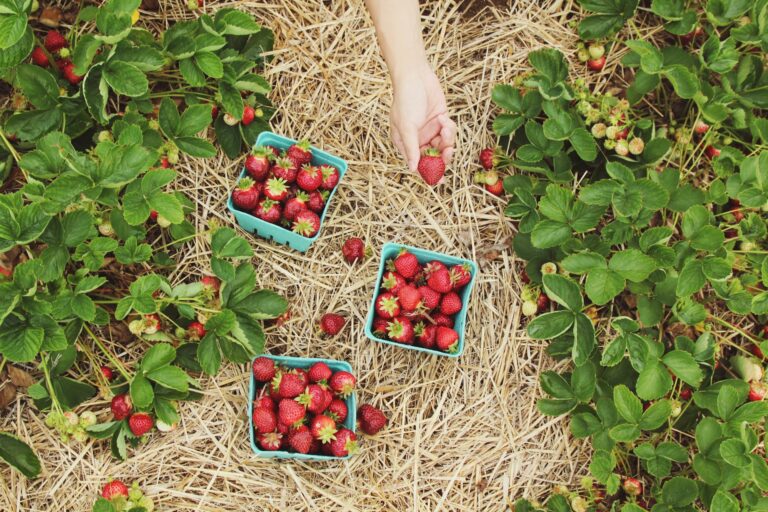
Food grown in healthy soil and harvested at peak ripeness has measurably higher nutrient content than food that’s picked early for shipping and storage. Homegrown vegetables contain more vitamins, minerals, and antioxidants than their commercially grown counterparts, and the difference is often significant rather than marginal.
Beyond nutrient density, homesteaders control what goes into their food production: no synthetic pesticides, no growth hormones, no food additives. Eggs from pastured chickens have better fatty acid profiles than those from confined birds. Produce consumed within hours of harvest retains nutrients that days-old grocery store produce has largely lost. The food quality benefits of homesteading are real and meaningful.
Mental Health: What the Lifestyle Does for the Mind
Mental health benefits of homesteading are, if anything, even more consistently reported than physical ones. Several mechanisms contribute:
The Psychology of Meaningful Work
Work that produces tangible, visible results has a different psychological quality than abstract knowledge work. Planting a seed, watching it grow, harvesting the food, eating it at your own table — this complete cycle engages what psychologists call intrinsic motivation in a way that many modern jobs don’t. The sense of competence, completion, and connection to material reality that comes from productive physical work is genuinely sustaining for mental health.
People who come to homesteading from high-stress professional careers often describe a significant reduction in the ambient anxiety and restlessness that characterized their pre-homesteading life. The work itself absorbs and grounds mental energy in a way that many find more effective than formal stress management practices.
Reduced Chronic Stress
Homesteading involves acute stress — a sick animal, a crop failure, a fence that needs emergency repair — but tends to reduce chronic background stress in ways that make daily life feel more manageable. The rhythms of outdoor physical work and natural light exposure regulate cortisol patterns. Having meaningful work that you control directly reduces the helplessness stress that comes from navigating systems and organizations outside your influence.
Connection to Natural Cycles
Seasonal rhythms, weather patterns, the daily and annual arcs of plant and animal life — homesteaders become attuned to these in ways that most modern people have lost. This attunement has a calming, grounding effect that’s well documented in the research on nature contact and psychological wellbeing. The sense of being embedded in something larger and more enduring than any individual problem provides a kind of perspective that’s hard to manufacture artificially.
Community and Purpose
Homesteaders who are embedded in active communities — neighbors, local farming networks, online groups — benefit from the social connection that’s itself a strong predictor of mental and physical health outcomes. The shared purpose of producing food and building self-sufficiency creates a quality of community connection that many people find more satisfying than purely social relationships without shared work.
Sleep Quality
Physical exertion, natural light exposure, and reduced screen time (natural on a working homestead where evenings are quiet and mornings are early) combine to improve sleep quality for most homesteaders. Good sleep is foundational to virtually every other health outcome — cognition, mood, immune function, metabolism, cardiovascular health. The lifestyle changes that make you more tired (in a healthy way) by evening and more ready to rise at dawn are, in aggregate, very good for health.
Children’s Health on the Homestead
Children who grow up on homesteads show patterns that researchers studying the “hygiene hypothesis” would predict: lower rates of allergies and autoimmune conditions correlated with greater exposure to diverse environmental microbiomes. Beyond that, children on homesteads tend to spend more time in unstructured outdoor play, do meaningful physical work, understand where food comes from, and develop a practical competence with the natural world that increasingly urban and suburban childhood rarely provides.
Considerations and Nuances
Health benefits of homesteading require honest acknowledgment of some offsetting factors:
- The physical demands can be taxing on joints and muscles, especially for people who start late or push too hard early. Sustainable physical work requires pacing and listening to your body.
- Homesteading stress — while different from office stress — can be significant. Animal loss, crop failure, and financial pressure are real sources of distress that need to be managed.
- Access to professional medical care can be more limited in rural settings. Building basic first aid and emergency preparedness skills is part of the lifestyle for good reason.
None of these are reasons to avoid homesteading — they’re reasons to approach it with realistic expectations and appropriate preparation.
Getting Started: Health-First Steps
You don’t need to wait for a full homestead to start accessing these benefits:
- Start a garden. Even a small outdoor garden gets you outside, gives you physical work, and produces better food. The health benefits start from your first season.
- Spend more time outside deliberately. Before you change anything else, increase your daily outdoor time. The benefits are immediate.
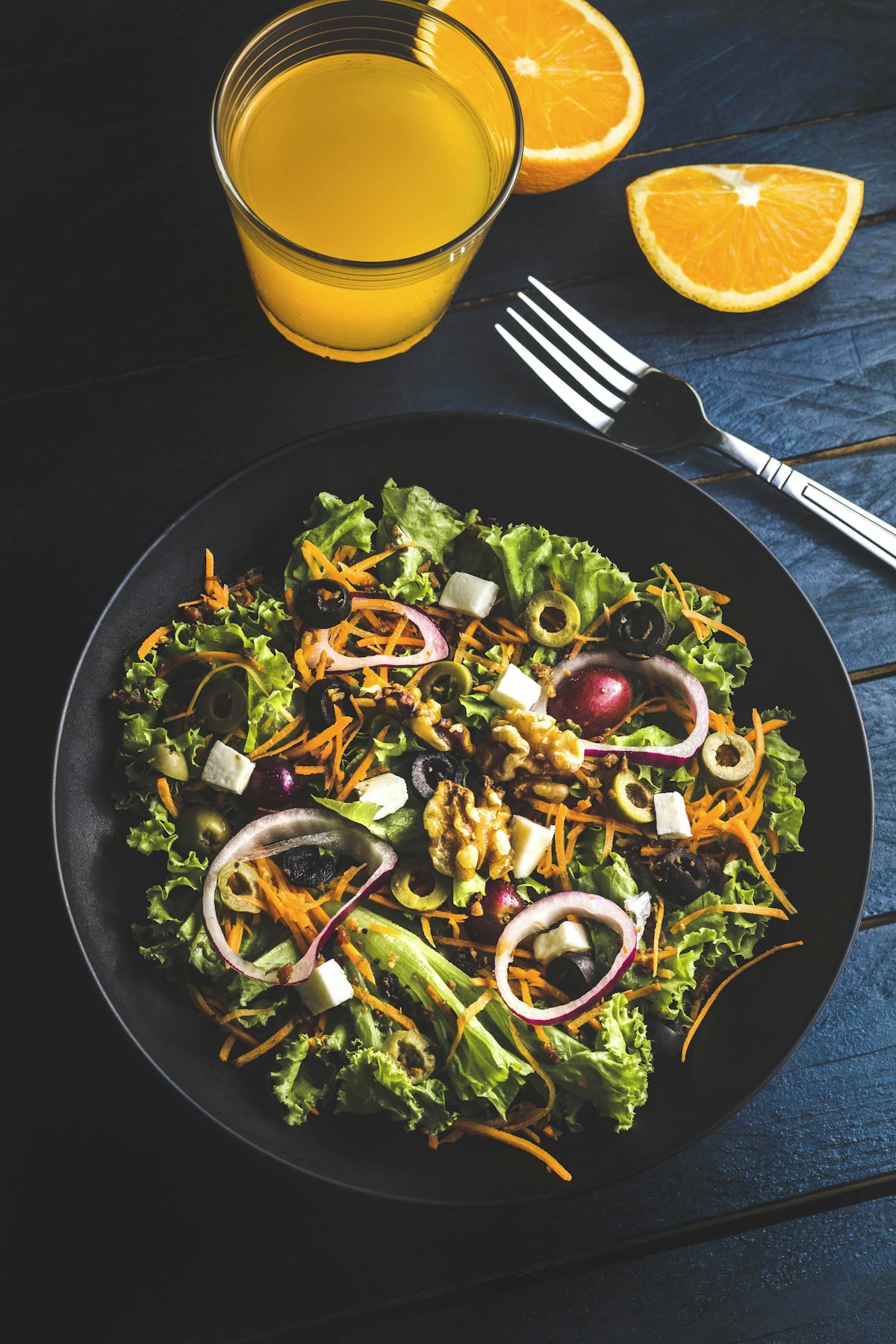
- Learn to cook from scratch. Homestead food culture is built on whole, minimally processed food. Cooking real food from fresh ingredients is itself a significant health intervention.
- Connect with community. Local farming networks, homesteading groups, and farmers markets build the social connection that’s as important as any physical health habit.
Homesteading’s health benefits are among its most consistent and durable rewards. They tend to build quietly over time, becoming most apparent when you compare how you feel a few years into the lifestyle against how you felt before. For more on building a lifestyle that supports these benefits, explore our complete beginner’s guide and what your first 90 days of homestead living actually look like.
Start Your Homestead — Even From an Apartment
Container gardening, water storage, understanding land, raising your first animals. Practical steps you can take this month, wherever you live.