Best Large Rabbit Hutch for Homestead Meat Rabbits
Best Large Rabbit Hutch for Homestead Meat Rabbits
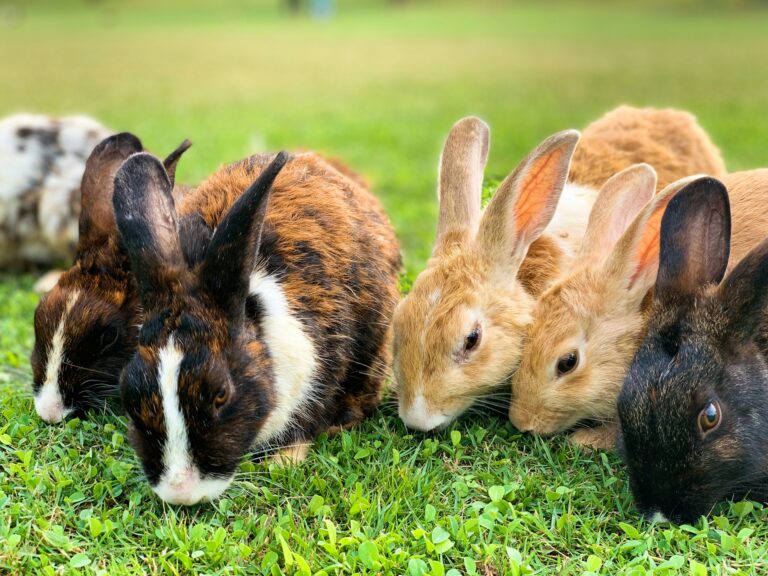
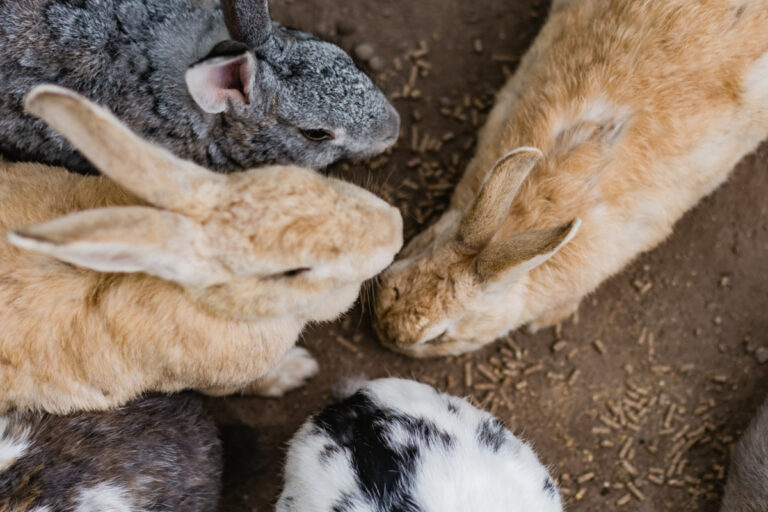
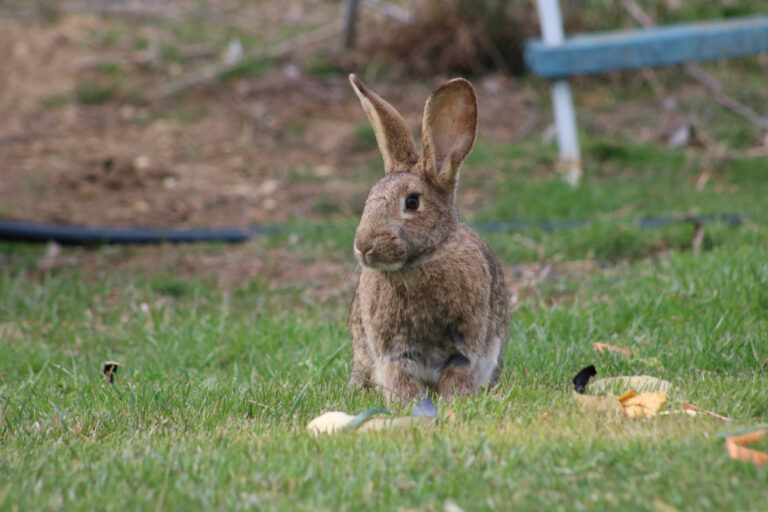
If you’re raising meat rabbits on your homestead, the standard pet-store hutch won’t cut it. Meat rabbits need large hutches — specifically sized for the breeds most often raised for production, like New Zealand Whites, Californians, and Rex. A doe producing litter after litter in a cramped hutch gets stressed, loses body condition, and eventually has smaller litters and higher kit mortality. Getting the right large rabbit hutch is one of the most impactful investments you can make in your meat rabbit operation. This guide walks through what makes a hutch truly suited for meat rabbits, the dimensions that actually work, and what features to prioritize when buying or building.
Why Meat Rabbits Need More Space Than Pet Rabbits
Commercial meat rabbit breeds are significantly larger than dwarf and medium pet breeds. A mature New Zealand White doe weighs 9–12 lbs. A Flemish Giant can top 15 lbs. When that doe is pregnant and due to kindle, she needs space for herself, her nest box, and up to 12 kits for the first 4–5 weeks of their lives — all in the same hutch bay.
Production rabbits also cycle through the hutch more intensively than pet rabbits. A doe on a standard breeding schedule kindles every 8–12 weeks, meaning the hutch needs to accommodate litter periods several times a year. Without adequate space during these periods, you’ll see:
- Does killing or abandoning kits due to stress from overcrowding
- Kits injured in cramped conditions as they grow and become active
- Reduced feed conversion efficiency (cramped rabbits waste more energy as stress)
- Higher respiratory disease rates from poor air circulation in small hutches
A large hutch also simplifies daily management — you can see all corners easily, reach in to check on kits, remove nest boxes without difficulty, and clean thoroughly without contorting yourself.
Dimensions That Actually Work for Meat Rabbit Breeds
Here are the recommended dimensions for common homestead meat rabbit breeds, based on ARBA guidelines and practical experience from small-scale producers:
- Bucks (New Zealand, Californian, Rex): 30″×30″×18″ minimum; 36″×30″ is better
- Does without a litter: 36″×30″×18″ minimum
- Does with a litter (kindling doe + kits): 48″×30″×18″ — the nest box takes up 12″×8″ of floor space; the doe needs room to move away from it
- Grow-out cage (4–6 fryers, 6–10 weeks): 48″×30″×18″; for larger litters, 60″×30″ or a second grow-out cage
- Flemish Giants: Minimum 60″×30″×24″ for does; bucks 48″×30″×24″
Height is often neglected in hutch specs. An 18″ interior height is the absolute minimum for standard meat breeds — not comfortable, but functional. 24″ allows more natural posture and is much better for long-term rabbit welfare.
Wire Specifications for Meat Rabbit Hutches
Wire quality is critical for meat rabbit hutches. Here’s what you need:
Floor Wire
Use 14-gauge galvanized welded wire mesh with ½”×1″ openings. This gauge doesn’t sag under the weight of a large doe plus a litter of growing kits. The ½”×1″ opening size allows waste to fall through efficiently while preventing feet from getting stuck (an important welfare concern with heavier breeds prone to sore hocks). Add wooden stress pads in one corner of each bay — a 4″×6″ piece of smooth wood — so rabbits can periodically rest on a solid surface.
Side and Front Wire
1″×2″ 16-gauge galvanized welded wire works well for sides and fronts. This gauge is strong enough to resist predator pressure (clawing from the outside) while allowing good air circulation. Avoid lighter 18-gauge wire on sides — it dents and bends too easily.
Galvanizing
Only use after-welded galvanized wire for floors. The galvanizing process that comes after welding (vs. Before) produces a smoother wire surface that’s more resistant to rust at the weld points and gentler on rabbit feet.
Features to Prioritize When Choosing a Large Hutch
Whether you’re buying or building, these are the features that determine long-term functionality for a meat rabbit operation:
- Removable drop trays: Metal trays under the wire floor that slide out for cleaning. Essential for indoor operations and very useful outdoors. Full metal trays (not just partial ones) make cleaning fastest
- Individual bay access doors: Each rabbit bay should have its own access door. A single door for the whole hutch makes daily management and kit care impractical
- Solid roof with generous overhang: At least 4″ of overhang on all sides to keep rain from blowing in. Asphalt shingles or metal roofing are most durable
- Height off the ground: At least 18″ — this protects against ground moisture and makes cleaning under the hutch possible without lying down
- Barrel bolt latches: On every access door. This isn’t negotiable for predator security
- Weather-resistant wood: Cedar or treated pine on all exterior surfaces; interior wood should be untreated or food-safe sealed
Buying vs. Building: What Makes Sense for Meat Rabbit Operations
Pre-made hutches large enough for meat rabbits in the $250–$450 range are available but variable in quality. At this price point, look for actual stated dimensions (minimum 48″×30″ per bay for does) and verify the wire gauge in the product listing — most commercial hutches use lighter wire than what’s recommended for production rabbits.
For most homesteaders running 3+ does, building custom hutches is the more cost-effective path. Materials for a 3-bay, 9′-long outdoor hutch with proper wire and hardware run $180–$250. The result is significantly better than anything available commercially at twice the price. Free plans designed specifically for meat rabbit operations are available from homesteading resources like Teal Stone Homestead and My Casual Homestead.
The National 4-H Council has materials on small-scale rabbit production, and your state’s USDA land-grant university extension service often has free rabbit housing guides specific to your region’s climate.
Before you buy, read our complete rabbit hutch buying guide for beginners.
If you’re deciding which animal to start with, our complete guide to raising animals on a homestead walks through your best options as a beginner.
Related Reading
Frequently Asked Questions About Large Rabbit Hutches
What size hutch do I need for two New Zealand White rabbits?
Two New Zealand White rabbits shouldn’t share a hutch bay unless they’re a bonded pair that has been kept together since young. Bucks and does housed together will breed continuously without intentional management. For a buck-and-doe pair you plan to breed, house them in adjacent bays of a multi-bay hutch — each at least 36″×30″ — and only allow together for supervised breeding sessions. Two does can sometimes be housed together in a 60″×30″ bay if introduced young, but watch for aggression.
Can I use a large dog crate instead of a rabbit hutch?
Wire dog crates can work as temporary or indoor housing for individual rabbits, but they’re generally not suitable for long-term outdoor meat rabbit production. Most dog crates lack solid flooring options (wire floors are important for waste management), have roofs too weak for predator deterrence outdoors, and don’t provide the weather protection of a properly built hutch. For indoor production with concrete or tile floors, a dog crate can be useful as supplemental housing.
How many meat rabbit does can I start with?
Most first-time homestead meat rabbit producers start with 2–3 does and 1 buck. With 2 does kindling alternately every 8–10 weeks, you’ll produce 6–12 fryers per litter, giving you 12–24 rabbits at processing weight every 10–12 weeks — enough to put rabbit in your freezer regularly without overwhelming your processing capacity. Plan your hutch space for 2 doe hutches, 1 buck hutch, and 2 grow-out cages (one per litter) before you bring your first rabbits home.
What’s the best meat rabbit breed for a small homestead?
New Zealand Whites are the industry standard for a reason: they grow fast (5–6 lbs at 8 weeks), have excellent feed-to-meat conversion, produce large litters, and are calm enough for beginners to handle. Californians are a close second with slightly better flavor in many opinions. Rex rabbits produce smaller litters but excellent meat and a valuable pelt. For homesteaders interested in dual-use (meat plus fiber), Silver Fox rabbits are increasingly popular and have lovely pelts alongside good meat production.
How do I keep a large outdoor rabbit hutch clean?
Daily: remove soiled hay from feeding areas, check water bottles, spot-remove any visible droppings from wire floors (this takes 2 minutes per bay). Weekly: remove and empty drop trays, scrape wire floors, replace all bedding in sleeping areas. Monthly: full deep clean — remove all rabbits temporarily, scrub hutch interior with diluted white vinegar or a rabbit-safe disinfectant, let dry completely, re-bed. Hutches with removable drop trays and full-bay access doors make this routine manageable for even a 5–6 bay setup.
Set Your Meat Rabbit Operation Up Right
The hutch you start with sets the trajectory for your whole operation. Too small, and you’ll be fighting health problems, stressed does, and poor production from the beginning. Sized correctly and built with quality materials, a good large rabbit hutch is the low-maintenance foundation of a productive homestead meat rabbit system.
If you’re building your homestead from scratch and want a step-by-step plan, start at thehomesteadmovement.com/start-here/.
Start Your Homestead — Even From an Apartment
Container gardening, water storage, understanding land, raising your first animals. Practical steps you can take this month, wherever you live.
Turn Your Homestead Into a Paycheck
Twelve income streams working homesteaders use to cover the mortgage and then some. Free PDF — real numbers, not pipe dreams.