Homesteading 101: What It Really Is and What You Need to Know
Homesteading 101: What It Really Is and What You Need to Know
Most people picture homesteading as a remote farmstead with chickens running loose and a root cellar stocked floor-to-ceiling with mason jars. That image isn’t wrong — but it’s only a slice of what homesteading actually is. Whether you’re curious about growing your own food, cutting reliance on grocery stores, or eventually making a full move to rural land, understanding what homesteading really means is the first step. This guide covers the definition, the modern reality, and what you actually need to know before you decide if this path makes sense for you.
What’s Homesteading, Exactly?
At its core, homesteading is the practice of living with greater self-sufficiency — producing more of what you consume and consuming less of what requires outside systems to provide. It’s not a single thing. It’s a collection of skills, habits, and decisions that move you toward independence, whether you’re doing it on 50 acres or a suburban quarter-acre lot.
The term has historical roots in the Homestead Act of 1862, which offered 160 acres of federal land to settlers willing to develop it. That era of government-granted land is long gone, but the underlying philosophy — that working land with your own hands is a meaningful and practical way to live — never really went away. It just got quieter for a few decades and is now louder than ever.
Modern homesteading doesn’t require a land deed or a barn. It can look like:
- Growing vegetables in raised beds in your backyard
- Raising a small backyard flock of chickens for eggs
- Learning to preserve food through canning, fermenting, or dehydrating
- Cutting utility costs with solar panels or water collection systems
- Eventually purchasing rural land and moving to a more complete off-grid setup
There’s a spectrum here, and most people start somewhere in the middle. You don’t need to go all-in on day one.
The Core Principles Behind Homesteading
Regardless of how much land you’ve or what stage you’re at, homesteading tends to be organized around a few consistent principles:
Self-Sufficiency
The goal is to depend less on external systems — whether that’s grocery supply chains, utility grids, or the industrial food complex. This doesn’t mean isolation; it means building a life where disruptions to those systems don’t hit as hard.
Intentional Production
Instead of only consuming, homesteaders produce — food, energy, household goods, livestock. The satisfaction that comes from making rather than just buying is something people consistently cite as one of the most rewarding parts of the lifestyle.
Resourcefulness
Fix it before you replace it. Use what you’ve. Find multiple uses for every resource. Homesteaders tend to develop a practical relationship with material things that runs counter to a lot of modern consumer habits.
Sustainability
Most homesteaders care about the land they’re working with and try to build practices that improve soil health, conserve water, and reduce waste over time. This isn’t ideological — it’s practical. A homestead that depletes its land doesn’t last.
What Homesteading Isn’t
It’s worth addressing a few misconceptions, because they can set up unrealistic expectations:
- It’s not all-or-nothing. You don’t have to move to Montana, quit your job, and go completely off-grid. Plenty of successful homesteaders still commute to work or run a business remotely.
- It’s not cheap to start. There are startup costs — land, infrastructure, tools, livestock. The long-term savings are real, but the initial investment can be significant.
- It’s not always peaceful. Animals get sick. Crops fail. Equipment breaks. Homesteading involves hard physical work, regular problem-solving, and a tolerance for things going sideways.
- It’s not a political statement. People homestead across the full range of political backgrounds. The motivations vary — some are driven by environmental values, others by financial independence, others by preparedness concerns, and many by a simple desire for a different pace of life.
Key Skills That Come With Homesteading
Homesteading is often described as a skillset as much as a lifestyle. Here’s what tends to matter most:
Food Growing and Gardening
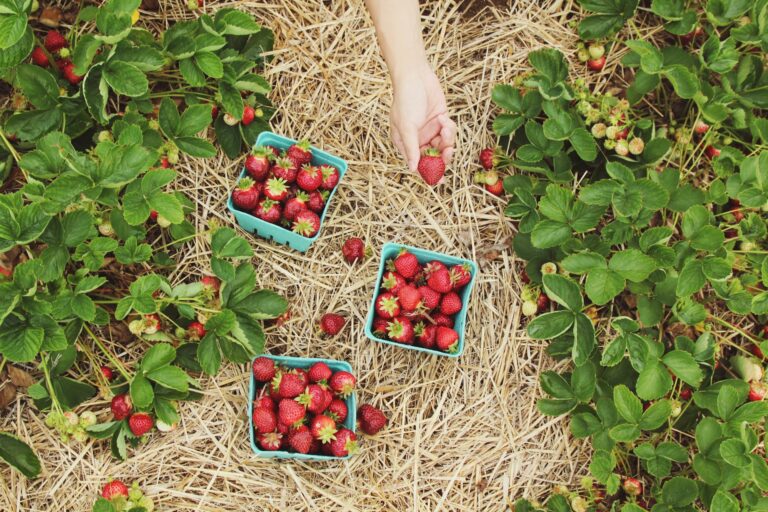
Vegetable gardening is typically where people start, and for good reason — it’s accessible, relatively low-cost, and directly ties effort to tangible results. Learning to work with your local soil, climate, and season lengths takes time but pays off consistently.
Food Preservation
Growing food only gets you so far if you can’t store the surplus. Canning, freezing, fermenting, dehydrating, and root-cellar storage are all skills that let you extend the harvest through months when nothing’s growing.
Animal Husbandry
Chickens are typically the first livestock people add. From there, many move to ducks, rabbits, goats, or larger animals depending on land and goals. Each species has its own learning curve, feeding requirements, and space needs.

Basic Construction and Repair
On a homestead, things need fixing regularly. Being able to build a simple structure, repair fencing, handle basic plumbing, or wire an outbuilding saves both money and time.
Land and Water Management
Understanding how water moves across your property, how to manage drainage, how to build and maintain soil health, and how to work with your climate rather than against it becomes increasingly important as you scale up.
Urban and Suburban Homesteading: You Don’t Need Land to Start
One of the biggest barriers people cite isn’t having land. But a huge portion of the homesteading community started in cities and suburbs — and many still live there. If you’re in a house with a backyard, you can grow meaningful amounts of food, keep a small flock, and build practical skills right now.
Apartment homesteading is also real, though more limited. Container gardening, windowsill herbs, fermentation, sourdough baking, and composting with a worm bin are all viable starting points. The goal isn’t perfection — it’s building skills and habits that travel with you wherever you end up.
If you’re planning a future move to land, practicing now makes the transition significantly smoother. You’ll already know what you like, what you’re good at, and what to realistically budget for. Check out our guide to how to start homesteading from an apartment if you’re working with limited space right now.
Is Homesteading a Good Fit for You?
That’s ultimately the question worth sitting with. Homesteading suits people who:
- Are comfortable with physical work and learning by doing
- Can tolerate uncertainty and setbacks without burning out
- Want more direct connection to where their food comes from
- Value long-term resilience over short-term convenience
- Are willing to invest time and money up front for payoffs that come gradually
It’s less suited for people who need immediate results, strongly dislike outdoor work, or are unwilling to accept the reality that things will regularly go wrong. None of that’s a judgment — it’s just an honest accounting of what the lifestyle requires.
If you’re on the fence, the best approach is to start small and see how it feels. Plant a garden this year. Take a food preservation class. Visit a working homestead if you can. Real experience will tell you more than any guide.
Getting Started: Your First Steps
If you’re ready to move from curious to active, here’s where to put your energy first:
- Assess your current situation. What space, time, and budget do you’ve? That determines your starting point.
- Pick one skill to build. Gardening, food preservation, or even bread-baking from scratch — start narrow and go deep before you spread wide.
- Research your local regulations. Backyard chickens, water collection, and outbuildings all have rules that vary by municipality. Know what you’re allowed to do before you invest.
- Find your community. Local homesteading groups, online forums, and farmer’s markets connect you to people who’ve already solved the problems you’re about to face.
- Start planning your long-term trajectory. If rural land is the goal, read up on how to evaluate and buy homestead property so you know what you’re working toward.
The homesteading path looks different for everyone — and it should. Take what fits your life and build from there.
The Bottom Line
Homesteading is a practical, skill-based approach to living with more self-sufficiency and less dependence on systems outside your control. It’s not about perfection, purity, or any particular political philosophy. It’s about growing what you can, learning what you need, and building a life that’s genuinely yours.
Whether you’re starting with a raised bed garden in the suburbs or evaluating land for a full move, the principles are the same. Take it one step at a time, and keep building. Explore more of the resources on this site to go deeper on any of the topics covered here — from the complete beginner’s guide to homesteading to specific skills like food preservation, animal keeping, and off-grid systems.
Start Your Homestead — Even From an Apartment
Container gardening, water storage, understanding land, raising your first animals. Practical steps you can take this month, wherever you live.