How to Start Homesteading From an Apartment With Little Money
You’re on the third floor of an apartment building with no yard, no garage, and a lease that ends in eight months. And you want to homestead. People in your position have made it work—not by magically finding free land or winning the lottery, but by following a deliberate path from urban renter to rural homesteader. Starting homesteading from an apartment is one of the most common origin stories in the movement, and it’s entirely doable.
This guide covers four things: what you can actually do right now in your apartment, how to build the financial runway to purchase land, where to find affordable rural property, and what creative paths exist for people who can’t afford a traditional down payment. Real options, not fantasy.
What You Can Do Right Now in Your Apartment
Before you move, your job is to build skills—because skills are cheaper to acquire in an apartment than on a homestead where mistakes have real costs. Every skill you master now is one less expensive lesson you pay for later.
Apartment Homesteading Skills That Actually Transfer
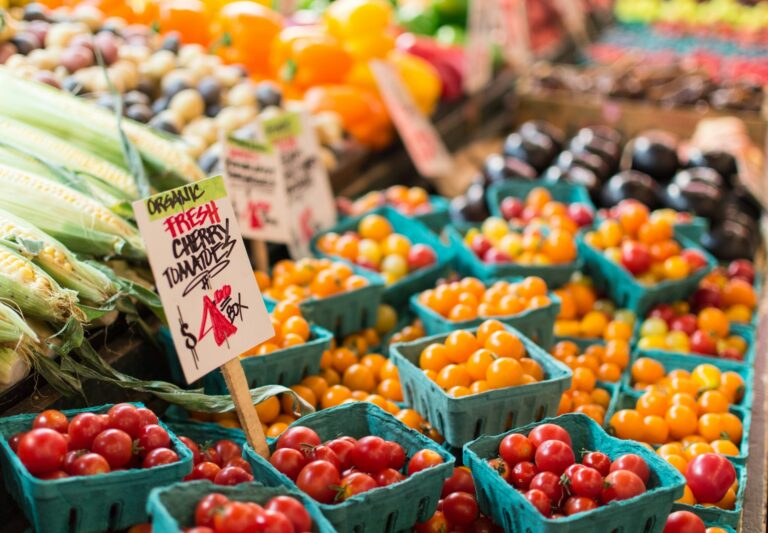
- Container gardening: A south-facing window or balcony supports cherry tomatoes, herbs, lettuce, radishes, and peppers. A 5-gallon bucket costs $3 at a hardware store and produces real food.
- Food preservation: Water bath canning, dehydrating, and fermenting work in any kitchen. A 9-quart starter canning kit costs about $30 and handles tomatoes, jams, and pickles.
- Cooking from scratch: Bread, sourdough, stocks, fermented vegetables, homemade yogurt—all doable in a small kitchen, all directly applicable to homestead life.
- Worm composting: A small vermicompost bin fits under the kitchen sink. It turns food scraps into premium garden fertilizer and teaches you soil biology.
- Basic sewing and repair: A secondhand sewing machine ($40-80 at a thrift store) and YouTube tutorials cover basic clothing repair that reduces household expenses directly.
The goal in your apartment phase is to reduce monthly expenses, build a skill base, and save aggressively toward your land fund. Track your grocery bill, identify what you can grow or make yourself, and redirect that difference into a dedicated savings account.
Building the Financial Runway to Leave the Apartment
Affordable rural land is more accessible than most urban renters realize—if you’re flexible about location. Raw land in many rural states starts at $1,000–3,000 per acre. A 5-acre parcel in parts of Arkansas, Missouri, Oklahoma, or West Virginia can cost $10,000–25,000 total. That’s a realistic savings target.
Here’s a 24-month savings plan for a household earning $60,000 per year after tax:
- Reduce grocery spending by $200/month through cooking from scratch and container gardening: $4,800 over 24 months
- Cut one subscription tier and reduce eating out by half: saves $150/month = $3,600
- Add one side income stream (freelancing, selling preserves, weekend work): $300/month = $7,200
- Total additional savings: approximately $15,600
That’s a realistic down payment for rural land in affordable states—or a complete purchase in the cheapest markets.
Creative Paths to Homestead Land Without a Full Down Payment
Traditional bank mortgages for raw rural land are hard to get—most lenders require 20–30% down and won’t finance land without a structure. But other paths exist.
Land Contracts (Owner Financing)
A land contract lets the seller act as your bank. You make monthly payments directly to them, often with a 5–15% down payment. Many rural landowners—especially older farmers looking to retire—prefer land contracts over a lump sale because of the ongoing income. Search LandWatch and AcreValue specifically for “owner financing” in your target area.
USDA Rural Development Loans
The USDA Section 502 Direct Loan program provides low-interest home loans for rural properties for families with low to moderate incomes. Down payment requirements can be zero for qualifying applicants. The property must be in an eligible rural area and must be your primary residence.
Move a Mobile Home or Tiny Home Onto Raw Land
A used single-wide mobile home can be purchased for $5,000–15,000 and moved to land you own outright. This reduces the total capital needed—you can own land and have a place to live in for under $30,000 in many markets. It’s not glamorous, but it’s a real path from apartment to homestead.
Where to Find Affordable Rural Land
Forget the coasts and the mountain west—land prices there are prohibitive for most renters. Focus your search on the Ozarks region (Arkansas, Missouri), Appalachia (West Virginia, eastern Kentucky, Tennessee), the Great Plains (Kansas, Oklahoma, Nebraska), and the rural South. These regions have the most affordable raw land in the country, reasonable climate for food growing, and lower overall cost of living.
- LandWatch.com: Largest rural land database; filter by state, acreage, price, and owner financing
- LandFlip.com: Good for raw land and rural properties under $50,000
- AcreValue.com: Shows soil quality ratings alongside land listings—useful for evaluating agricultural potential
- Driving rural areas: For Sale by Owner signs on rural properties often indicate motivated sellers willing to negotiate and finance
- County tax auctions: Properties with delinquent taxes are auctioned, sometimes at fractions of market value—research your target county’s process
The Transition Plan: From Apartment to First Homestead Night
Most successful apartment-to-homestead transitions follow a similar arc: skills phase (6–18 months in the apartment), savings phase (running concurrently), land search phase (3–6 months), and transition phase (moving onto the property with a functional basic setup). Don’t try to have everything perfect before you move. Have water, power, shelter, and food production started—everything else can be built while you’re there.
Minimum Setup Before Moving to Raw Land
- A structure to live in (mobile home, tiny home, yurt, or permitted camper)
- A water source or plan (cistern, hauled water, or drilled well in progress)
- A power solution (solar, generator, or propane) for basic needs
- A garden plan for your first growing season—seeds, beds, and soil amendment purchased
- Three months of savings buffer for unexpected costs
For the full picture on getting started, read our complete beginner’s guide to homesteading.
Related Reading
Frequently Asked Questions About Homesteading From an Apartment
Q: Can I really start homesteading in an apartment?
Yes. Container gardening, food preservation, cooking from scratch, and worm composting are all legitimate homestead practices you can do in any apartment. The goal at this stage is skill building and financial preparation, not full self-sufficiency. Many successful homesteaders spent one to three years in urban or suburban settings learning these skills before purchasing land.
Q: How much money do I need to leave an apartment and buy homestead land?
In affordable rural markets, you can purchase 5–10 acres of raw land for $10,000–30,000. Add a used mobile home for $5,000–15,000 and basic water/power setup for $5,000–15,000, and you’re looking at $20,000–60,000 total to have a functional basic homestead. With owner financing or a USDA loan, the upfront cash requirement drops significantly.
Q: What states have the cheapest homestead land?
As of recent years, the most affordable rural land for homesteading is found in West Virginia, Arkansas, Missouri, Oklahoma, Kansas, Alabama, and Tennessee. Raw land in these states often runs $1,000–3,000 per acre, with 5-acre parcels available for $5,000–20,000. Prices vary significantly by county and proximity to towns.
Q: Should I quit my job to homestead full-time?
Not at first. Most successful homesteaders maintain outside income for the first two to five years while the homestead infrastructure develops and food production increases. A homestead rarely generates income equivalent to a full-time salary in its early years. Remote work is an ideal bridge—it lets you live rurally while maintaining income during the transition.
Start Where you’re, Not Where You Wish You Were
The path from apartment to homestead is real, it’s been walked by thousands of families, and it starts tonight with a container of herbs on your windowsill and a savings account labeled “land fund.” Starting homesteading from an apartment isn’t a consolation prize—it’s the smart way to build skills before you need them.
Key takeaways: build skills in the apartment phase so you don’t pay for lessons on the land; target affordable markets like Arkansas, Missouri, and West Virginia; and explore owner financing or USDA loans to lower upfront costs.
For the complete roadmap from urban renter to working homestead, visit our Start Here guide at thehomesteadmovement.com/start-here/.
Start Your Homestead — Even From an Apartment
Container gardening, water storage, understanding land, raising your first animals. Practical steps you can take this month, wherever you live.