What Is Modern Homesteading? A Realistic Guide for Families
Picture this: It’s Saturday morning. Instead of hitting a drive-through, you pull eggs from a backyard coop, cut herbs from the kitchen windowsill, and make breakfast from food you grew. That’s modern homesteading—not a century-old fantasy, but a practical, growing movement that millions of families are building right now. And you don’t need 100 acres to do it.
If you’ve been wondering what’s modern homesteading and whether it’s actually achievable for people with jobs, kids, and a mortgage—this guide is for you. We’ll break down what homesteading means today, what it actually requires, what it doesn’t require, and how to know if the lifestyle is a genuine fit for your family.
What Modern Homesteading Actually Means
Modern homesteading is the intentional practice of producing more of what you consume—food, energy, skills—while reducing dependence on external systems. The goal isn’t rejecting modern life. It’s choosing self-sufficiency in the areas that matter most to you.
The original Homestead Act of 1862 gave settlers 160 acres in exchange for five years of farming. That era is over. Today, homesteading is defined by mindset and practice, not acreage. A family in a Phoenix condo growing herbs on a balcony and canning their own salsa is homesteading. A family on 10 rural acres raising chickens and growing a market garden is also homesteading. The scale differs; the philosophy is the same.
The Core Practices of Modern Homesteading
- Food production — Vegetable gardens, fruit trees, herbs, or even container gardens on a patio
- Food preservation — Canning, dehydrating, fermenting, and freezing to reduce grocery dependence
- Livestock — Backyard chickens for eggs, rabbits, goats, or larger animals on rural land
- From-scratch cooking — Making bread, stocks, ferments, and staples rather than buying processed versions
- Home repair and DIY — Building, fixing, and maintaining rather than outsourcing everything
- Energy independence — Solar panels, wood heat, and rainwater harvesting at various scales
- Intentional spending — Reducing waste, buying secondhand, growing what you can
No family does all of these. Every homesteader picks the practices that fit their land, budget, and lifestyle.
What Modern Homesteading Isn’t
There’s a lot of romanticized mythology around homesteading that keeps people from starting. Let’s be direct about what homesteading doesn’t have to be.
Off-grid survivalism isn’t required. Most homesteaders maintain utility connections. Many live in suburban neighborhoods. Going fully off-grid is a separate—and much more complex—undertaking that most people never do.
Quitting your job isn’t part of the deal. The vast majority of homesteaders have outside income, especially in the early years. Homesteading rarely replaces income for a family; it supplements it by reducing expenses.
The all-or-nothing framing is a myth. You don’t have to raise your own meat, make your own clothes, and generate your own electricity to call yourself a homesteader. Pick what matters to your family and do that well.
The Homesteading Spectrum
Think of homesteading as a spectrum, not a single destination. Here’s how it typically progresses for a suburban family:
- Level 1 — Kitchen garden, composting, cooking from scratch
- Level 2 — Raised beds, food preservation, backyard chickens
- Level 3 — Larger garden, multiple animal species, rainwater collection
- Level 4 — Rural land, diverse livestock, partial energy independence
- Level 5 — Full homestead operation, significant food self-sufficiency
Most families start at Level 1 and work toward wherever feels like enough. Many are deeply satisfied at Level 2 or 3, with no desire to go further.
Why Families Are Choosing the Modern Homesteading Lifestyle
The homesteading movement has grown significantly since 2020, driven by grocery inflation, supply chain disruptions, and a cultural shift toward intentional living. But the reasons families choose it are more personal than political.
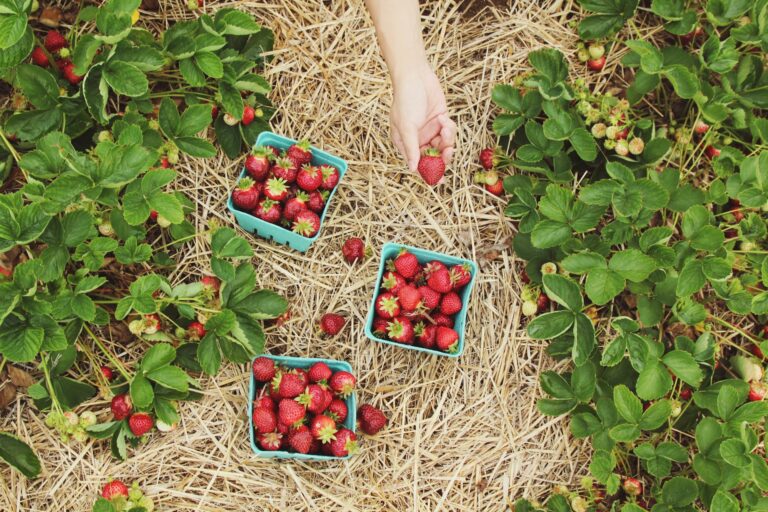
Food quality and safety drive many. When you grow it yourself, you know what went into it—no pesticide guesswork, no mystery ingredients. Cost reduction is another major driver. A well-managed garden of 400 square feet can realistically produce $600–800 worth of produce annually, according to estimates from Utah State University Extension. For families watching grocery bills climb, that’s a meaningful difference.
But the deepest reason most families cite is something harder to quantify: the feeling of competence. Knowing how to feed your family from your own land—even partially—changes how you move through the world.
What the Homesteading Lifestyle Requires of You
- Physical consistency — Animals need care every day. Gardens need weekly attention. There’s no snooze button.
- Learning tolerance — Things die. Harvests fail. Experiments go wrong. The learning curve is real.
- Planning and seasonality — Homesteading runs on seasonal rhythms, not on-demand convenience.
- Honest evaluation of your resources — Time, money, energy, and land all matter. Know what you’ve before you commit.
How to Start a Modern Homesteading Lifestyle Right Now
You can start this weekend, wherever you live. You don’t need land, a mortgage-free property, or a barn full of tools. You need a decision and a first step.
Any outdoor space at all is enough to start composting. A simple compost bin made from a plastic storage container with holes drilled in the lid costs nothing if you’ve the container already. Compost turns kitchen scraps into free garden fertilizer within 60–90 days. It’s the most accessible homestead practice there’s, and it teaches you something fundamental about cycles and soil.
A kitchen is all you need to start cooking from scratch. Bread, broth, fermented vegetables, homemade yogurt. These skills take practice, save money, and directly build the competence homesteading requires.
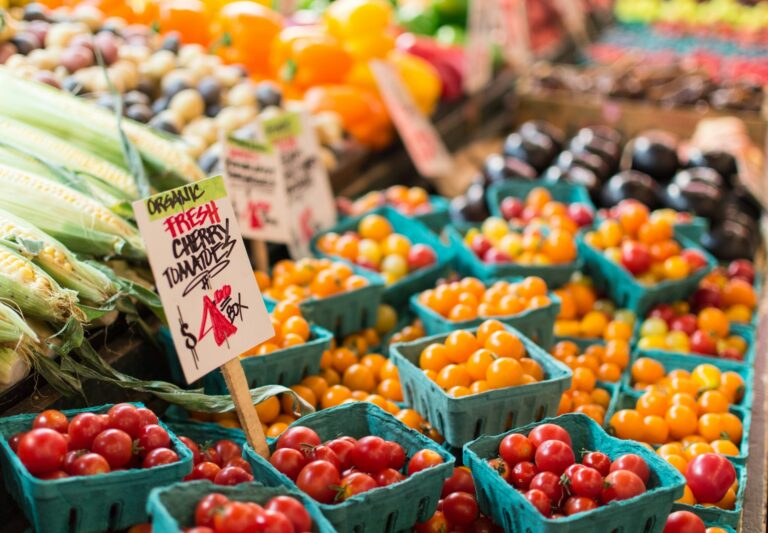
Even a single patch of sun is enough to plant something edible. One container of cherry tomatoes on a patio produces real food and teaches you how plants actually behave. That hands-on knowledge is irreplaceable.
For the full picture on getting started, read our complete beginner’s guide to homesteading.
Related Reading
Frequently Asked Questions About Modern Homesteading
Q: what’s the difference between homesteading and farming?
Farming typically refers to commercial food production—growing or raising animals to sell for income. Homesteading is primarily about producing food and goods for your own household’s use and self-sufficiency. Some homesteaders sell surplus, but it’s not the primary goal. Homesteads also tend to be smaller and more diverse than farms focused on single crops.
Q: Can you homestead in a city or suburb?
Yes. Urban and suburban homesteading is real and growing. Container gardens, backyard chickens (where local ordinances allow), food preservation, and from-scratch cooking are all homestead practices you can do in a neighborhood. Many families in cities run productive homesteads without any rural land at all.
Q: How much land do you need to homestead?
No minimum land requirement exists for homesteading. A quarter-acre suburban lot can support a large garden, backyard chickens, and fruit trees. One to five acres supports most livestock and larger gardens. Self-sufficient food production for a family of four typically requires 1–5 acres depending on your growing zone, diet, and how much you’re willing to optimize your space.
Q: Is modern homesteading expensive to start?
It doesn’t have to be. You can begin with seeds, a bag of potting soil, and a container for under $30. Costs scale with your ambitions—a backyard chicken setup runs $300–600, a proper raised bed garden runs $100–400 depending on size, and rural land is a separate investment entirely. Most people start cheap, build skills, and invest more as they confirm the lifestyle fits.
Q: What’s the best first step for someone new to the modern homesteading lifestyle?
Grow something edible and preserve something from scratch. These two actions—together—cover the fundamental arc of homesteading: produce food, then store it for later. They’re both achievable in any living situation and give you immediate, tangible feedback on whether this lifestyle resonates with you.
The Modern Homesteading Lifestyle Starts With You, Not Your Land
What’s modern homesteading? A deliberate choice to produce more, consume less, and build the skills that make you less dependent on systems you don’t control. There’s no all-or-nothing commitment involved—just a direction, and every family gets to define how far they want to take it.
The three things to take away from this guide: homesteading starts with mindset, not acreage; you can begin exactly where you’re; and the skills you build today will serve you at every scale you ever reach.
Explore our full Start Here guide at thehomesteadmovement.com/start-here/ for a practical, step-by-step roadmap built specifically for urban and suburban families starting from scratch.
Start Your Homestead — Even From an Apartment
Container gardening, water storage, understanding land, raising your first animals. Practical steps you can take this month, wherever you live.