What Is Homesteading? Benefits, History, and How to Start
At a dinner party, someone asks what you’ve been researching lately. You say “homesteading” and watch the room split: half nod enthusiastically, half picture someone in 1850 plowing a prairie. Neither image is quite right. So: what’s homesteading, and what are its real benefits for modern families? The answer is more practical, more accessible, and more relevant to 2026 than most people expect.
This guide defines homesteading clearly, traces its history, lays out the concrete benefits that drive families toward it today, and explains what it actually looks like in practice—from a suburban backyard to a five-acre rural plot.
What’s Homesteading? A Clear Modern Definition
Homesteading is the intentional practice of producing more of what your household consumes—food, energy, skills, and goods—while reducing dependence on external systems. It’s not a single lifestyle template. It’s a direction: toward self-sufficiency, away from full dependence on industrial supply chains.
In practice, homesteading includes some combination of: growing food (garden, orchard, livestock), preserving food (canning, dehydrating, fermenting), generating energy (solar, wind, wood heat), building and repairing things yourself, and reducing waste through composting and intentional consumption. A homesteader isn’t someone who does all of these things—they’re someone who actively pursues any of them with the intention of increasing their family’s self-reliance.
A Brief History: From the Homestead Act to Today
The word homesteading traces to the Homestead Act of 1862, which offered 160 acres of federal land to any U.S. Citizen willing to farm it for five years. Over 1.6 million settlers claimed land under this act between 1862 and 1934, transforming the American interior. By the early 20th century, homesteading as a legal concept faded as the free land supply ran out.
The modern homesteading revival began in the 1960s and 70s as a countercultural response to industrial agriculture, and it accelerated dramatically after 2008’s financial crisis and again after 2020’s supply chain disruptions. Today’s homesteaders aren’t primarily motivated by ideology—they’re motivated by food quality, financial resilience, and a desire for meaningful work connected to the natural world.
13 Real Benefits of the Homesteading Lifestyle
The benefits of homesteading are concrete, not abstract. Here are thirteen that families consistently report, based on the practical realities of the lifestyle:
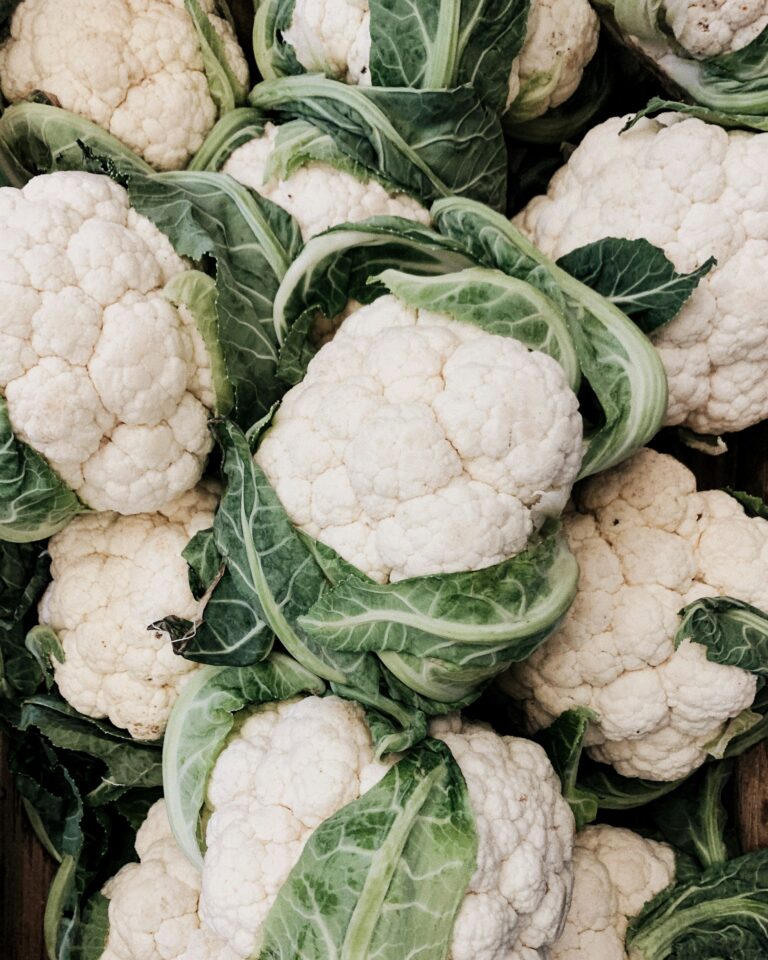
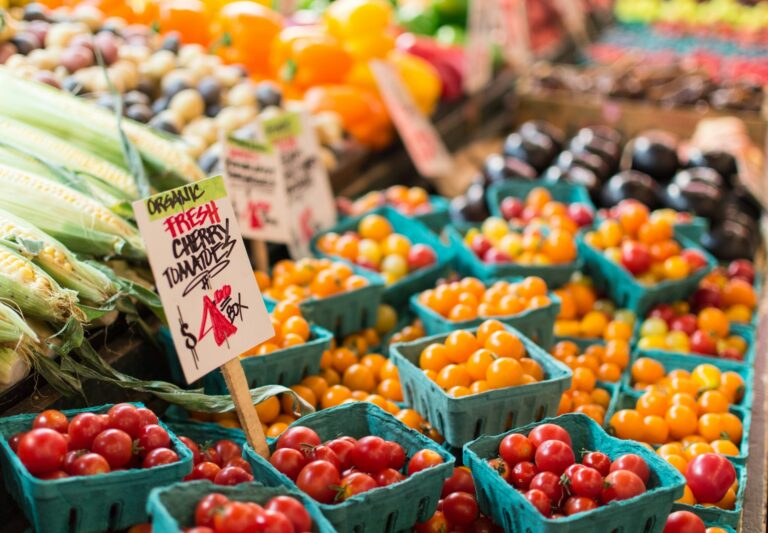
- 1. Fresher, higher-quality food: Homegrown produce is harvested at peak ripeness, not shipped unripe from 1,500 miles away. The nutrient density and flavor difference is significant.
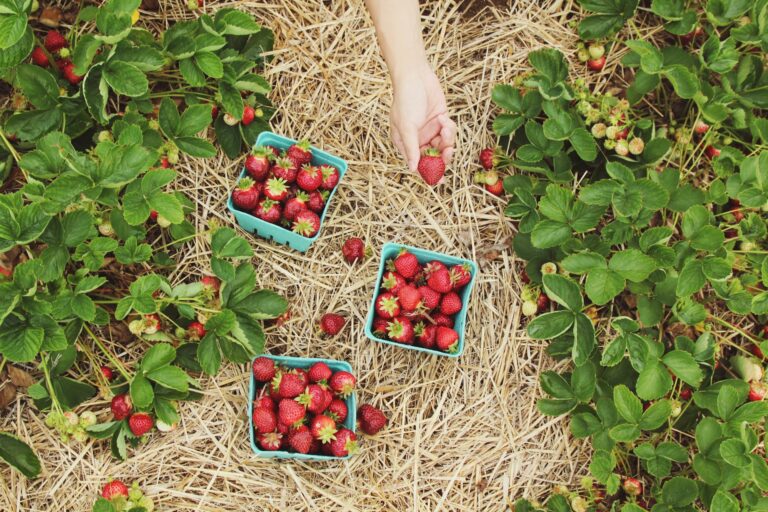
- 2. Reduced grocery spending: A productive 400-square-foot garden can produce $600–800 worth of vegetables annually, according to Utah State University Extension.
- 3. Food security: A family with a full pantry, a working garden, and stored food is insulated from supply chain disruptions, price spikes, and emergencies.
- 4. Knowledge of where food comes from: Children raised on homesteads understand food production at a visceral level that can’t be taught from a textbook.
- 5. Physical health: Gardening, animal care, and homestead maintenance involve consistent physical activity—often more effective than gym routines.
- 6. Mental health benefits: Research consistently links time in nature, growing food, and meaningful physical work to reduced anxiety and depression.
- 7. Reduced environmental footprint: Growing food locally, composting waste, and reducing consumption all reduce your household’s environmental impact.
- 8. Financial resilience: A homestead that produces meaningful food, energy, and goods reduces fixed monthly expenses and makes a family more resilient to income disruptions.
- 9. Skill development: Homesteading builds a wide range of practical competencies—food preservation, carpentry, animal husbandry, plumbing basics—that increase your confidence and capability.
- 10. Community connection: Homesteaders tend to build strong local networks—neighbors who trade surplus, share tools, and help with difficult work. Rural community ties can be lifesaving in emergencies.
- 11. 4-H and youth development: Children involved in raising animals or growing food develop responsibility, empathy, and work ethic at rates that consistently impress educators and parents alike.
- 12. Simpler lifestyle: Homesteading naturally reduces spending on entertainment, convenience, and status goods—often improving life satisfaction in the process.
- 13. Long-term wealth building: Productive rural land with established infrastructure tends to appreciate over time, and the productive capacity of a working homestead has compounding financial value.
What Homesteading isn’t (Common Misconceptions)
Several myths keep interested families from exploring homesteading seriously. Let’s address the most common ones directly.
Myth: You Need Land to Homestead
False. Container gardens, food preservation, composting, and from-scratch cooking are all homestead practices that work in any apartment. Backyard chickens operate legally in most cities with ordinances allowing small flocks. Many fully committed homesteaders spend years building skills in suburban or urban settings before purchasing rural property.
Myth: Homesteading Saves Money Immediately
It doesn’t, necessarily. The first years of homesteading often involve significant equipment purchases, infrastructure development, and a steep learning curve. Financial benefits compound over time as skills improve, equipment is paid for, and food production becomes more efficient. Think of it as a 3–5 year investment, not an immediate savings strategy.
Myth: You Need to Be Self-Sufficient to Be a Homesteader
No homesteader is truly self-sufficient. They shop at stores, use the internet, buy medicine, and pay taxes. Homesteading is about increasing your self-reliance in specific areas that matter to your family—not achieving total independence from modern society, which is neither realistic nor necessary.
What Does a Modern Homestead Actually Look Like?
Modern homesteads exist at every scale. Here’s a quick look at three representative examples:
- Suburban homestead (0.25–1 acre): Large raised-bed garden, 4–6 backyard chickens, fruit trees, food preservation in the kitchen, composting. Produces 25–40% of the family’s vegetable and egg needs.
- Small rural homestead (2–5 acres): Full garden, laying hens, meat birds or rabbits, goats for dairy, orchard, root cellar for storage. Produces 50–70% of the family’s food.
- Larger rural homestead (10+ acres): Diverse livestock including beef, pork, or dairy; large commercial-scale garden; food preservation systems; potential for small farm income from surplus sales.
For the full picture on getting started, read our complete beginner’s guide to homesteading.
Related Reading
Frequently Asked Questions About Homesteading
Q: what’s the difference between homesteading and farming?
Farming is primarily about producing food for commercial sale. Homesteading is primarily about producing food and goods for your own household’s use and self-sufficiency. Homesteads may sell surplus, but income generation isn’t the primary goal. Homesteads also tend to be smaller and more diverse in what they produce than commercial farms.
Q: Is homesteading legal everywhere?
Most homesteading practices are legal everywhere, but specific activities are regulated locally. Backyard chickens are legal in most U.S. Cities with small-flock limits (typically 4–8 hens, no roosters). Rainwater collection is regulated by state law. Selling food made at home (cottage food laws) varies significantly by state. Always check local ordinances before starting any regulated activity.
Q: How do I start homesteading as a complete beginner?
Start with one practice in your current living situation. Grow herbs on a windowsill. Make a batch of jam. Compost your kitchen scraps. Bake bread from scratch. Each of these is a real homestead practice that builds a skill and creates feedback. Pick the one that interests you most, do it this week, and add one more next month. Homesteading is built one practice at a time.
Q: What are the biggest challenges of homesteading?
The most commonly cited challenges are physical demand (homesteading is consistently hard work), the steep learning curve (animals die, crops fail, equipment breaks), time commitment (animals require daily care with no vacation), and the financial investment in infrastructure and tools. Most successful homesteaders address these by starting small, building skills before scaling, and maintaining realistic expectations about the first few years.
Homesteading Is a Direction, Not a Destination
Modern homesteading isn’t about turning back the clock or rejecting modern life. It’s about choosing intentionally which parts of the modern world you want to depend on—and building real capability in the areas where you’d rather depend on yourself. The benefits are concrete: better food, stronger finances, practical skills, and a life lived with more intention and less passivity.
The question isn’t whether homesteading is for everyone. It’s whether the direction it points—toward self-reliance, seasonal living, and meaningful work—resonates with what you want your family’s life to look like.
If it does, start with our Start Here guide at thehomesteadmovement.com/start-here/—a practical roadmap for modern families beginning the homesteading journey from wherever they’re right now.
Start Your Homestead — Even From an Apartment
Container gardening, water storage, understanding land, raising your first animals. Practical steps you can take this month, wherever you live.