10 Urban Homesteading Steps You Can Take This Weekend
You don’t have land. You might not even have a yard. But you want to start building a more self-sufficient life, and you want to start now—not when the perfect property appears or when circumstances change. Good news: urban homesteading for beginners is real, it’s growing, and it starts with actions you can take this weekend in whatever space you currently have.
Homesteading is a mindset first and a location second. Every skill you build in your apartment or suburban home transfers directly to a rural property later. Every dollar you save by producing your own food or making your own products goes into your land fund. These ten steps aren’t symbolic—they’re the actual foundation of a homesteading life, achievable right now.
Step 1: Visit a U-Pick Farm and Learn Food Cycles
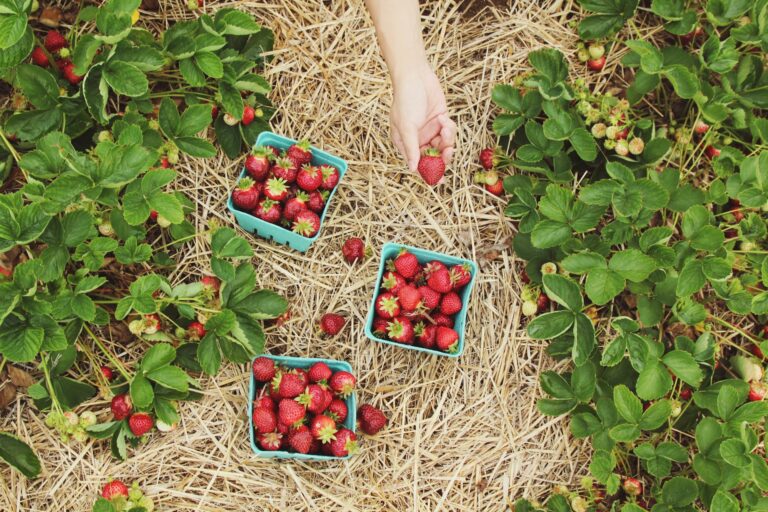
A u-pick farm is one of the fastest ways to connect with the rhythms of food production—what’s in season, how food actually grows, and what the harvest process feels like. Most regions have u-pick operations for strawberries, blueberries, apples, and peaches. Go with your family, pick a flat of something seasonal, and bring it home to preserve.
The goal isn’t just the experience—it’s the transition to the next step. When you come home with 20 pounds of strawberries, you now have a reason to learn water-bath canning. And that skill—making strawberry jam and hearing the lids pop as they seal—is the beginning of understanding food preservation from a homesteader’s perspective.
Step 2: Start a Container Garden on Your Windowsill or Balcony
Growing food is the core homestead skill. You can begin in any apartment with a south-facing window or a balcony that gets 4–6 hours of sun. A $3 bucket from a hardware store, a bag of potting mix ($8), and a packet of cherry tomato seeds ($3–4) is all it takes to grow your first real food.
Best Crops for Container Growing
- Cherry tomatoes: One plant per 5-gallon bucket; produces 5–10 lbs per season
- Herbs: Basil, chives, parsley, mint, and thyme all thrive on a windowsill
- Lettuce: Grows in a window box in partial sun; harvest outer leaves continuously
- Radishes: Fastest crop available—ready in 25 days in almost any container
- Dwarf peppers: Thai peppers or lunchbox peppers produce prolifically in 1-gallon containers
Step 3: Learn to Make Jam or Pickles From Scratch
Food preservation is the skill that separates people who dabble in homesteading from people who actually live it. Water bath canning—the method for high-acid foods like jams, tomatoes, and pickles—requires only a large pot, some mason jars ($10 for 12 half-pints), and a basic canning kit ($30). The USDA’s National Center for Home Food Preservation at nchfp.uga.edu has tested, safe recipes for every common preserved food.
Make one batch of jam this weekend. It takes about two hours and produces 6–8 jars of something you made yourself from fruit. That first jar of jam represents a real skill acquired—and the feedback loop it creates is addictive.
Step 4: Start Composting Your Kitchen Scraps
Composting is a foundational homestead practice, and it works in any size space. A simple vermicompost bin (a plastic storage bin with ventilation holes drilled in the lid and bottom) costs nothing if you already have a bin, or $10–15 at a dollar store. Add a pound of red wigglers ($20–30 online), layer in vegetable scraps and damp shredded newspaper, and let the worms do the work. In 60–90 days you’ve high-quality compost for your container garden.
Outdoor composting works too if you’ve any outdoor space. A three-sided bin made from pallets (often free on Craigslist or Facebook Marketplace) handles larger volumes and produces finished compost in 3–6 months. Stop paying for fertilizer—make it from food waste instead.
Step 5: Join a Community Garden
Community gardens give you actual ground to garden in—often for $25–75 per season for a 4×8 or 4×12 plot. More importantly, they connect you with experienced gardeners who are usually happy to share knowledge, tools, and plant starts. The American Community Gardening Association at communitygarden.org can help you find a program in your area.
Treat your community garden plot seriously—it’s your training ground. Try different crops each season, keep notes on what works, and practice the direct gardening skills that scale directly to a future homestead.
Step 6: Cook Everything From Scratch for One Week
One of the most immediate financial impacts of homesteading is eliminating processed food and convenience purchases. Challenge yourself to cook everything from scratch for seven days—bread, stocks, soups, sauces, and condiments included. Track what you spend versus a typical week.
Most families find that a fully from-scratch week costs 30–50% less than their normal grocery spending. The skills required—simple breads, stocks from scraps, beans cooked from dry—are among the most directly transferable to any scale of homestead. They also teach you how much time real food takes, which is important self-knowledge before committing to a farm.
Step 7: Learn One Basic Home Repair Skill
Urban homesteading for beginners steps is one of the most common questions for anyone starting their self-sufficiency journey.
Homesteaders fix things. Rural properties have aging infrastructure, and contractors in remote areas are expensive and scarce. The time to start learning basic repair skills is now, in a low-stakes urban setting where a YouTube video and a trip to the hardware store can fix most things. Understanding urban homesteading for beginners steps helps you make better decisions.
This weekend: learn to fix a leaky faucet, replace a toilet flapper, patch drywall, or caulk a window. Each of these takes 30–60 minutes to learn and costs $5–20 in materials. The same skills that save you money now will save you weeks of waiting for a plumber on a rural homestead.
Step 8: Visit a Local Farmers Market and Shop Intentionally
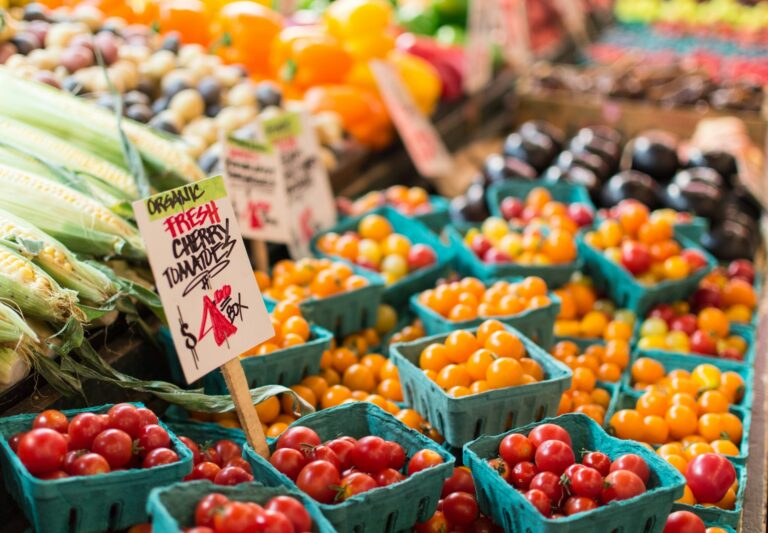
Farmers markets connect you to local food producers and to the seasonal cycles that homesteading runs on. Go with the intention of buying something seasonal in bulk—a bushel of tomatoes in August, a half-peck of apples in October—and bring it home to preserve. This practice teaches you what’s seasonal in your region, helps you build relationships with local farmers (who are often excellent mentors for aspiring homesteaders), and produces a pantry full of preserved food.
Step 9: Calculate Your Current Food Production Potential
Stand in your yard, on your balcony, or look out your window and genuinely assess what you could be growing that you aren’t. Do you’ve south-facing windows? A patch of lawn? A deck or patio with sun exposure? Each of these is growing space you’re not using. Sketch out a simple plan for converting one underutilized space into food production this season. Understanding urban homesteading for beginners steps helps you make better decisions.
Space-to-Food Production Quick Reference
- 4×8 raised bed: $75–150 to build; produces $200–400 worth of vegetables seasonally
- 5-gallon buckets (4): $12; produces tomatoes, peppers, or herbs all summer
- 10-foot section of fence or trellis: Supports cucumbers, pole beans, or climbing squash
- A strip of lawn (10×4 ft): Enough for a season’s supply of lettuce, radishes, and herbs
Step 10: Open a Dedicated Homestead Savings Account
Every practical step you take toward homesteading should be paired with financial progress toward making it permanent. Open a separate high-yield savings account (online banks like Marcus or Ally often offer 4–5% APY) and name it “Homestead Fund.” Set up an automatic weekly transfer—even $25 per week is $1,300 per year. That’s seeds, tools, and preservation equipment in year one. It’s a down payment on land within five to ten years for most families who start this discipline early.
For the full picture on getting started, read our complete beginner’s guide to homesteading.
Related Reading
Frequently Asked Questions About Urban Homesteading
Q: Can you homestead in a city without land?
Yes. Container gardening, food preservation, cooking from scratch, composting, and skill building are all legitimate homestead practices that require no land ownership. Many urban homesteaders run productive balcony gardens, participate in community gardens, preserve seasonal produce, and build substantial homestead skills entirely within a city—often for years before purchasing rural land.
Q: what’s urban homesteading?
Urban homesteading refers to practicing homestead skills—food growing, food preservation, from-scratch cooking, composting, and DIY home skills—in a city or suburban environment. It’s the same philosophy as rural homesteading (self-sufficiency, reduced external dependence) applied to an urban or suburban context. It can include backyard chickens, rooftop gardens, community plots, and home food production at any scale. This is an important consideration when thinking about urban homesteading for beginners steps.
Q: How do I start homesteading with no experience?
Start with one skill. The most accessible first step is growing something edible—even a single pot of cherry tomatoes or herbs on a windowsill. Pair that with one food preservation project (a batch of jam or pickles) within your first month. These two actions—growing food and preserving it—represent the fundamental homestead practice at any scale, and they build the confidence to keep going.
Q: Do I need a backyard to start homesteading?
No. Container gardens on balconies and windowsills produce real food. Community garden plots provide ground-level growing space. Food preservation, cooking from scratch, composting, and home repair skills all require no outdoor space at all. Many people successfully practice urban homesteading in apartments for years while saving toward rural land.
Start This Weekend, Not Someday
Urban homesteading for beginners doesn’t require waiting for the right property, the right budget, or the right moment. It requires picking one of these ten steps and doing it this weekend. Visit a u-pick farm. Start a container garden. Make your first batch of jam. Every action builds the foundation of a self-sufficient life—one skill, one project, one preserved jar at a time.
For the complete beginner homesteading roadmap and more ideas for starting where you’re, visit our Start Here guide at thehomesteadmovement.com/start-here/.
Start Your Homestead — Even From an Apartment
Container gardening, water storage, understanding land, raising your first animals. Practical steps you can take this month, wherever you live.