How to Start a Homestead Garden: Your First Growing Season

How to Start a Homestead Garden: Your First Growing Season
A homestead garden is where self-sufficiency gets real. It’s one thing to dream about living off the land — it’s another to walk outside and harvest your own dinner. If you’re on the suburban-to-homestead spectrum right now, starting a garden is the single most practical skill you can build today, regardless of how much land you’ve or whether you’ve ever grown anything before.
This guide covers everything you need to get through your first growing season: choosing the right crops, preparing your soil, managing water, and knowing what to expect when things don’t go according to plan — because they won’t, and that’s fine.
Why a Homestead Garden Is Worth the Effort
There’s a practical case and a preparedness case for growing your own food, and both are worth understanding before you put a single seed in the ground.
On the practical side, a well-managed vegetable garden significantly reduces your grocery bill. Studies from the National Gardening Association consistently show that the average garden produces about $600 worth of food on a $70 investment. That ratio improves dramatically as your skills develop and your soil quality builds over years.
On the preparedness side, a homestead vegetable garden gives you direct control over your food supply. Supply chain disruptions, price spikes, and food safety recalls affect people who buy everything from stores. They affect gardeners much less. That’s the foundation of homestead thinking — reduce dependency, increase resilience.
Beyond the numbers, gardening builds a working knowledge of food systems that no amount of reading can replace. You learn what plants actually need, how soil biology works, and how to read weather patterns. Those skills compound over time.
Start Small: Why Your First Garden Shouldn’t Be Ambitious
One of the most common mistakes new homestead gardeners make is going too big too fast. A 20×20 foot garden sounds manageable until July, when the weeding, watering, and pest management all hit at once.
A better approach for your first season:
- 4×8 raised bed or a 100 sq ft in-ground plot — large enough to produce meaningful food, small enough to manage without burning out
- 5-6 crop varieties maximum — focus on plants with the best learning curve and highest yield-to-space ratio
- One priority goal — decide whether you’re aiming for fresh eating, preserving and storage, or building garden knowledge
Once you’ve completed one successful growing season, you’ll have a much clearer picture of what you want more of, what to avoid, and how much space you can realistically manage.
Choosing What to Grow in Your Homestead Garden
Crop selection is where most beginners overthink things. Start with plants that are forgiving, productive, and actually useful to your household.
Best Beginner Crops for Food Production
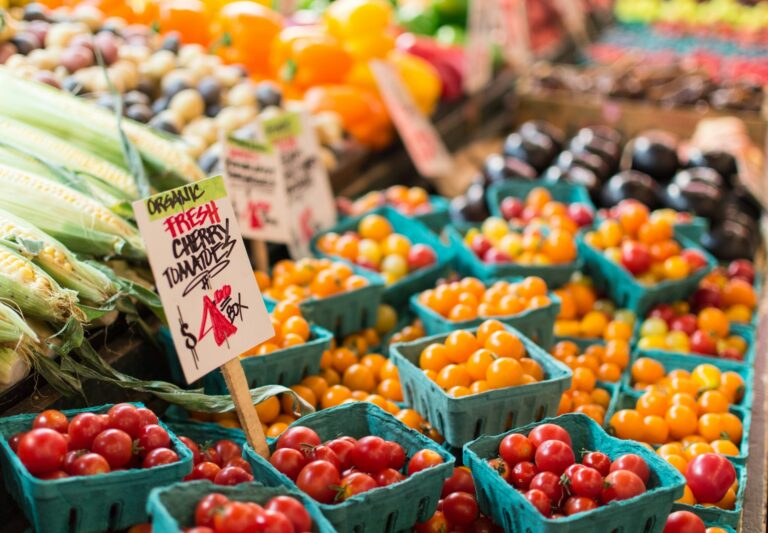
- Tomatoes — High yield, versatile in the kitchen, and manageable once you understand basic staking and pruning. Cherry tomatoes are the most forgiving variety for beginners.
- Zucchini and summer squash — Notorious for overproducing. Two plants will feed a family through summer.
- Lettuce and salad greens — Fast-growing (harvest in 30-45 days), tolerant of partial shade, and can be succession-planted every two weeks for continuous harvests.
- Bush beans — Low maintenance, high protein, and excellent for preserving. Plant directly in the soil; no transplanting needed.
- Cucumbers — Productive, heat-loving, and excellent fresh or fermented into pickles.
- Herbs (basil, parsley, chives) — High kitchen value in a small footprint. Basil also deters some pests when planted near tomatoes.
What to Consider Before Planting
Before choosing crops, answer these questions:
- What does your household actually eat? There’s no point growing turnips if nobody likes them.
- How much sun does your garden site get? Most vegetables need 6-8 hours of direct sunlight. Leafy greens tolerate 4-5 hours.
- What’s your climate zone? The USDA Hardiness Zone Map and your local frost dates determine what you can grow and when to plant.
- Do you want to preserve food or just eat fresh? If preservation is the goal, prioritize crops suited to canning, dehydrating, or root-cellaring: tomatoes, beans, winter squash, potatoes, onions.
How to Prepare Your Garden Soil
Healthy soil is the foundation of a productive homestead garden. Vegetables grown in poor soil produce less, attract more pests, and require more water. Getting your soil right upfront pays dividends for years.
Understanding Your Soil
Before you amend anything, know what you’re starting with. A basic soil test (available through your local county extension office for $10-20) tells you your soil’s pH, nitrogen, phosphorus, and potassium levels. Most vegetables thrive in a pH of 6.0-7.0.
Building Good Garden Soil
- Compost — The single most important amendment. Add 2-3 inches of finished compost to the top 6-8 inches of soil before planting. Compost improves drainage in clay soils, water retention in sandy soils, and feeds soil microbes that make nutrients available to plants.
- Organic matter — Leaf mold, aged manure, and cover crop residue all build long-term soil health.
- Mulch — Apply 2-3 inches of straw, wood chips, or shredded leaves around plants after they’re established. Mulch retains moisture, suppresses weeds, and breaks down to feed the soil over time.
For a raised bed, a standard mix that works well: 60% topsoil, 30% compost, 10% coarse perlite or aged wood chips for drainage.
Irrigation: Keeping Your Garden Watered Without Wasting Water
Inconsistent watering is one of the top reasons vegetable gardens underperform. Most vegetables need about 1 inch of water per week, delivered consistently rather than in big infrequent doses.
Watering Methods
- Drip irrigation — The most efficient method. Delivers water directly to the root zone, reduces foliar disease, and can be automated. A basic drip system for a small garden costs $30-60 and saves significant time.
- Soaker hoses — Less precise than drip but effective and affordable. Lay them along plant rows and connect to a timer.
- Hand watering — Works fine for small gardens. Water at the base of plants in the morning to minimize evaporation and fungal disease.

Rain Barrels and Water Conservation
A rain barrel connected to a downspout can collect 50-80 gallons from a single moderate rainfall. That’s enough to water a small garden for several days. For a homestead-oriented mindset, collecting and using rainwater aligns with the broader goal of reducing dependence on municipal systems. Check your local regulations — most states allow rainwater collection, though some have restrictions on volume. For a deeper look at setting up a rainwater system, see our guide to rainwater harvesting for homesteads.
Spacing, Planting Depth, and Timing
Overcrowded plants compete for water, nutrients, and light — and they’re more susceptible to disease. Follow the spacing recommendations on seed packets, or look up your specific variety.
General guidelines:
- Tomatoes: 18-24 inches apart, in rows 36 inches apart
- Lettuce: 6-8 inches apart; can be planted much closer for “cut and come again” harvesting
- Zucchini: 24-36 inches apart — they spread aggressively
- Bush beans: 4-6 inches apart in rows 12-18 inches apart
For timing, your local frost dates are the anchor. Most warm-season crops (tomatoes, squash, cucumbers, beans) go in after the last frost date. Cool-season crops (lettuce, spinach, kale, peas) can be planted 4-6 weeks before the last frost and again in fall.
Common First-Year Problems and How to Handle Them
Every new gardener runs into problems. Knowing what to expect keeps small setbacks from becoming discouraging failures.
Pests
Aphids, squash bugs, tomato hornworms, and cucumber beetles are the most common culprits in vegetable gardens. The best early defense is regular scouting — walk your garden every day or two and look at the undersides of leaves. Catch infestations early and you can hand-pick or use a strong spray of water to control most problems without chemical intervention.
Disease
Fungal diseases (blight, powdery mildew) spread in wet, crowded conditions. Space plants properly, water at the base rather than overhead, and remove affected leaves promptly. Rotating crops from bed to bed each year also prevents soil-borne disease buildup.
Weeds
Mulching heavily after planting cuts weed pressure significantly. The weeds you do get are easiest to pull when small — let them go to seed and you’re creating next year’s problem.
Wildlife
Deer, rabbits, and groundhogs can level a garden overnight. A simple 4-foot chicken wire fence handles most small mammal pressure. Deer require either an 8-foot fence or a double-fence system.
Building a Productive Homestead Garden Over Time
A homestead garden isn’t a one-season project. The soil improves each year as organic matter builds up. Your knowledge of what works in your specific climate and microclimate deepens. Your preservation skills — canning, fermenting, dehydrating, root cellaring — develop alongside your production capacity.
Year one, your goal is to finish the season having learned something and produced some real food. Year two, you expand what worked and drop what didn’t. By year three, many homestead gardeners are producing a substantial portion of their family’s vegetables through the growing season and into winter through storage.
If you’re also working toward a full homestead life, the garden is the place to start building the skills and mindset that carry over to everything else — raising animals, managing water, living within seasonal rhythms. For a broader overview of where gardening fits in the homesteading picture, see what homesteading actually involves and our guide to starting a backyard homestead.
Practical Takeaways for Your First Homestead Garden
- Start with a 4×8 raised bed or 100 sq ft plot — manageable, productive, educational
- Get a soil test before planting so you know what you’re amending
- Add 2-3 inches of compost to your beds every spring
- Choose crops your household actually eats, prioritizing high-yield beginner varieties
- Water consistently at the base of plants — 1 inch per week
- Mulch everything to suppress weeds and retain moisture
- Scout for pests every 2-3 days and address problems early
- Keep notes on what worked and what didn’t — your observations are the best gardening resource you’ve
Ready to take the next step? Explore our guides on the easiest vegetables for beginners to narrow down your first planting list, and check what tools you’ll actually need before spending a dime at the garden center.
Start Your Homestead — Even From an Apartment
Container gardening, water storage, understanding land, raising your first animals. Practical steps you can take this month, wherever you live.