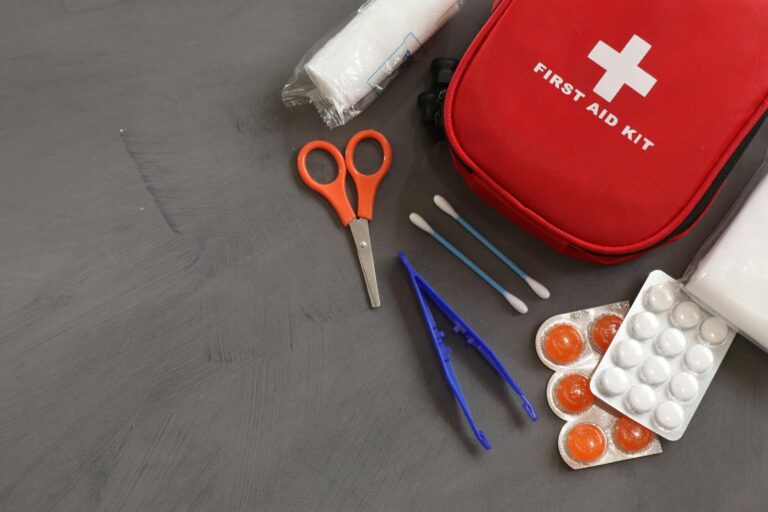
10 Home Remedy Supplies Every Prepper Should Have
10 Home Remedy Supplies Every Prepper Should Have
When the power goes out and the urgent care clinic is closed, your medicine cabinet becomes your primary healthcare resource. For most acute situations — a fever, a bad cold, a stomach bug, a minor infection, joint pain, or a sleepless night of anxiety — home remedies and natural medicine cabinet supplies can manage symptoms effectively until you reach professional care, or resolve minor conditions entirely without it. The 10 home remedy supplies for preppers in this guide aren’t alternative medicine mythology. They’re practical, evidence-supported tools that have been used for generations precisely because they work. In an extended emergency where medical access is limited, knowing how to use these supplies correctly could mean the difference between a manageable health issue and one that becomes serious. In this guide, you’ll learn what to stock, what the evidence actually says, how to use each remedy, and what the limitations are.
A Critical Note Before You Stock Your Prepper Medicine Cabinet
Home remedies are appropriate for minor, self-limiting conditions — the kind that would resolve with or without intervention, or where symptom management while the body heals is the right approach. They aren’t a substitute for professional medical care in serious or life-threatening situations. The goal of a prepper home remedy kit is to handle the common and manageable, not to replace medical training or prescription medications.
Always consult with your healthcare provider before adding supplements or herbal remedies to your regular routine, particularly if you take prescription medications. Many natural compounds have real interactions with pharmaceutical drugs.
With that foundation in place, here are 10 home remedy supplies worth stocking for emergency preparedness, based on MSU Health Care Pharmacy guidance and established evidence for each compound.
1. Raw Honey
Raw honey — unfiltered, unpasteurized — has three well-documented properties that make it valuable in a preparedness kit. First, it’s an effective cough suppressant. A 2012 study in Pediatrics found that honey outperformed a common OTC cough medication (dextromethorphan) for reducing nighttime cough in children. Second, raw honey has genuine antibacterial properties — Manuka honey is used in clinical wound dressings. Third, its indefinite shelf life makes it an ideal long-term storage item.
Use raw honey to soothe sore throats (1 teaspoon in hot water with lemon), coat irritated airways for cough relief, and as a topical wound covering for minor cuts and burns. Don’t give honey to infants under 1 year old — risk of botulism. Store in a sealed jar at room temperature indefinitely.
2. Elderberry Syrup (Sambucus nigra)
Elderberry extract has a reasonable body of clinical evidence supporting its use for shortening the duration of cold and flu. A 2016 randomized trial published in Nutrients found that elderberry supplementation significantly reduced cold duration and severity in air travelers. The proposed mechanism is immune modulation — elderberry compounds appear to help regulate the inflammatory immune response to respiratory viruses.
Stock elderberry syrup ($15–$25 for a 16 oz bottle) or elderberry capsules for convenience. The typical adult dose during illness is 1 tablespoon of syrup, 4 times daily for no more than 5 days. Don’t exceed recommended doses — in very high amounts, elderberry can cause GI upset. Refrigerate after opening; stock 2–3 bottles in rotation.
3. Activated Charcoal
Activated charcoal’s primary emergency use is toxin adsorption. When someone has ingested a mild toxin, irritant, or mild poison (not a caustic substance), activated charcoal binds to the substance in the gut and reduces absorption into the bloodstream. It’s used in emergency rooms for certain types of poisoning under medical supervision.
For preppers, activated charcoal capsules ($10–$15) are useful for food poisoning and GI upset from suspected contaminated food or water. Standard dose: 500–1,000mg per episode of GI distress. Important: call Poison Control (1-800-222-1222) before using activated charcoal for actual poisoning — some substances shouldn’t be treated with charcoal, and it can interfere with medications. Don’t use for corrosive substances or petroleum products.
4. Apple Cider Vinegar
Apple cider vinegar (ACV) has a shorter evidence base than the marketing around it suggests, but several practical uses are legitimate. Its acetic acid content makes it genuinely effective as a food preservation agent (pickling). As a topical application, diluted ACV (1 part ACV to 3 parts water) can help manage sunburn pain, fungal skin infections (athlete’s foot, ringworm), and dandruff. Some people find it useful for acid reflux — though the evidence is anecdotal and it’s counterintuitive given its acidity.
For preparedness, ACV is most valuable as a multi-purpose household acid: food preservation, cleaning and disinfecting surfaces in a pinch, and topical skin applications. Stock a gallon of raw, unfiltered ACV ($5–$8). Don’t rely on it as a primary medicine for internal use — its evidence base doesn’t support that.
5. Colloidal Silver
This one requires honest nuance. Colloidal silver has a long history as an antimicrobial agent and was widely used before antibiotics. Current clinical evidence doesn’t support internal use of colloidal silver as a systemic antibiotic alternative — it isn’t absorbed effectively into the body from oral administration, and the FDA has stated it’s “not generally recognized as safe and effective” for internal use.
However, topical colloidal silver applications do have documented antimicrobial activity. Silver is used in medical-grade wound dressings (including for burn patients). For external wound care — applying to minor cuts, abrasions, and skin infections — a colloidal silver spray ($15–$20) provides legitimate antimicrobial benefit. Limit your use to topical applications and approach marketing claims about internal use with significant skepticism.
6. Oregano Oil
Oil of oregano (Origanum vulgare) contains carvacrol and thymol — phenolic compounds with documented antimicrobial activity in laboratory studies. Clinical evidence for internal use in humans is limited but promising for certain applications, including as a gut antimicrobial for minor infections and parasites.
Practical use for preppers: diluted oregano oil (1–2 drops in a glass of water or in a capsule) for gastrointestinal support during potential food-borne illness. Topical use on minor skin fungal infections and nail infections. Note: always dilute — oregano oil is highly concentrated and caustic at full strength. Take with food to reduce GI irritation. Not for use during pregnancy.
7. Colloidal Oatmeal and Epsom Salt (Skin and Muscle Care)
Colloidal oatmeal (oats ground to a fine powder that suspends in water) is FDA-approved as a skin protectant and has solid clinical evidence for reducing itch and inflammation in conditions like eczema, contact dermatitis, chicken pox, and heat rash. A box of colloidal oatmeal bath packets ($10–$15) addresses a wide range of common skin complaints without pharmaceuticals.
Epsom salt (magnesium sulfate) baths are widely used for muscle soreness, bruising, and general pain management. The clinical evidence for transdermal magnesium absorption is debated, but the warm-water soak itself has clear pain-relieving and muscle-relaxing benefits, and Epsom salts are inexpensive and stable long-term. A 10-pound bag costs under $15 and is enough for dozens of soaks.
8. Ginger (Fresh and Powdered)
Ginger has strong clinical support for managing nausea — including pregnancy nausea, chemotherapy-induced nausea, and motion sickness. A 2014 review of multiple clinical trials confirmed that ginger is effective for reducing nausea symptoms. In a preparedness context, where nausea may arise from food poisoning, motion sickness during evacuation, or illness, ginger is a practical, evidence-based tool.
Stock ginger in multiple forms: fresh ginger root (short shelf life, but grows easily as a houseplant), powdered ginger ($4–$6 for a large bottle, shelf-stable for 3–4 years), and ginger tea bags. Dose for nausea: 1 gram of ginger per dose, up to 3 times daily. Ginger ale made with real ginger also works but contains less active compound than ginger tea or capsules.
9. Turmeric and Black Pepper
Curcumin (the active compound in turmeric) has the most strong body of anti-inflammatory research of any common kitchen spice. Multiple clinical trials have demonstrated its effectiveness for reducing joint pain (comparable to ibuprofen in some studies for osteoarthritis), reducing inflammatory markers, and supporting gut health. The critical caveat: curcumin is poorly bioavailable unless taken with piperine (black pepper extract), which increases absorption by up to 2,000%.
For long-term preparedness, a high-curcumin turmeric extract with piperine ($20–$30 for a 60-day supply) is more effective than adding turmeric to food. Standard dose: 500–1,000mg curcumin with 5–10mg piperine, 1–3 times daily. Useful for: chronic pain management, reducing inflammation from injuries, and general immune support.
10. Over-the-Counter Essentials: The Non-Negotiable Base
No home remedy kit is complete without a solid foundation of proven OTC medications. These aren’t “natural remedies” but they’re essential tools that should anchor any prepper medicine cabinet:
- Acetaminophen (Tylenol): Fever and pain management. Different from ibuprofen — safe for most people when ibuprofen is contraindicated. Stock both liquid (for children) and tablet forms
- Ibuprofen (Advil/Motrin): Anti-inflammatory pain relief. Best for muscle and joint pain, headaches, and fever reduction with an anti-inflammatory component
- Diphenhydramine (Benadryl): Antihistamine for allergic reactions, hives, and as a sleep aid during high-stress periods
- Loperamide (Imodium): Controls diarrhea — critical for preventing dehydration, particularly in children and elderly, when replacement fluids are limited
- Oral rehydration salts: The gold-standard treatment for dehydration from vomiting, diarrhea, or fever. Far more effective than plain water at restoring electrolyte balance
For a complete family preparedness system, see our family emergency preparedness guide for homesteaders.
Related Reading
Frequently Asked Questions About Home Remedy Supplies for Preppers
What’s the most important home remedy to have in a prepper kit?
From a practical standpoint, oral rehydration salts (ORS) and a dehydration management protocol are the most critical home remedy supplies in an emergency kit. Dehydration — whether from illness, heat, or limited water access — can escalate from uncomfortable to life-threatening in 24–48 hours, particularly for children and elderly family members. ORS are inexpensive, lightweight, and effective. Everything else is secondary.
Can home remedies replace antibiotics in an emergency?
No — not for serious bacterial infections. Oregano oil, colloidal silver, and raw honey have documented antimicrobial properties in specific, limited applications. But none of these are reliable substitutes for antibiotics in systemic bacterial infections (pneumonia, cellulitis, UTI). Know when a situation requires medical care: increasing fever, spreading redness around a wound, pus or foul odor, difficulty breathing, and altered mental status are all signs to seek emergency medical care regardless of what home remedies you’ve available.
How long do herbal and natural supplements stay potent?
Most herbal supplements maintain potency for 1–2 years from their production date when stored properly (cool, dark, dry conditions). Powdered spices like turmeric and ginger remain potent for 3–4 years. Raw honey is indefinitely shelf-stable. Elderberry syrup should be refrigerated after opening and used within 3 months. Build rotation into your system: use older supplements first and replenish from fresh stock.
Are there home remedies that are genuinely dangerous?
Yes. Internally consuming high doses of essential oils (oregano, clove, cinnamon) can cause organ damage. Large quantities of activated charcoal block nutrient absorption and medication efficacy. Comfrey contains pyrrolizidine alkaloids that cause liver damage when consumed internally. Colloidal silver consumed in large quantities causes argyria (permanent blue-gray skin discoloration). Research any remedy thoroughly before using and stick to established dosing guidelines.
Conclusion
A well-stocked home remedy kit combines time-tested natural supplies with a solid OTC medication foundation. The 10 home remedy supplies on this list — raw honey, elderberry, activated charcoal, ACV, colloidal silver (topical), oregano oil, colloidal oatmeal, ginger, turmeric, and OTC essentials — cover the broad range of minor health challenges your family might face in an emergency where medical access is limited. Know what each item does, know its limitations, and know when the situation exceeds what a home remedy can handle. That combination of capability and judgment is what genuine preparedness looks like. For your complete family health and preparedness framework, visit thehomesteadmovement.com/start-here/.
The 72-Hour Checklist Most Families Are Missing
Food, water, power, communications, and family coordination — in a single printable checklist. Free PDF.
The 72-Hour Checklist Most Families Are Missing
Food, water, power, communications, and family coordination — in a single printable checklist. Free PDF.